Understand the Purpose of a Cover Letter
A well-crafted cover letter is your first introduction to a potential employer, serving as more than just a formality. It’s a strategic tool to showcase your personality, skills, and enthusiasm for the specific role. Its primary purpose is to capture the hiring manager’s attention, demonstrate why you’re the perfect fit, and encourage them to read your resume. Think of it as your personal sales pitch, highlighting your key qualifications and career aspirations. The cover letter allows you to expand on your resume, providing context and depth to your achievements and experiences, ultimately making you a more memorable candidate.
Why a Cover Letter is Important
In today’s competitive job market, a cover letter is essential. It’s your chance to make a strong first impression and differentiate yourself from other applicants. Many hiring managers consider a cover letter a critical component of the application process, using it to assess your communication skills, attention to detail, and genuine interest in the position. It provides an opportunity to explain any gaps in your resume, address specific requirements, and illustrate your understanding of the company’s values and goals. A compelling cover letter can significantly increase your chances of landing an interview and ultimately securing your dream job. A strong cover letter tells the hiring manager why they should want to meet you.
In many cases, it’s the cover letter that can make or break your chances of getting an interview, especially when a hiring manager is sifting through many applications. It’s also a chance to demonstrate your writing skills, which can be particularly important for roles that require strong written communication. By taking the time to craft a well-written and personalized cover letter, you show that you’re committed to the application process and genuinely interested in the opportunity. The ability to create a strong cover letter demonstrates your attention to detail and ability to communicate effectively.
Cover Letter vs Resume

While a resume provides a concise overview of your qualifications and work history, a cover letter allows you to elaborate and provide context. The resume is a factual document, a record of your achievements and skills. The cover letter, on the other hand, is a narrative. It should tell the story of your career, highlighting the key experiences and skills that make you a suitable candidate for the specific role. It’s a chance to express your personality, demonstrate your writing style, and convey your enthusiasm for the position and the company. Use the cover letter to explain any potential concerns, or explain career changes.
Your resume should be a factual account of your professional life, including details on employment history, education, skills, and accomplishments. The cover letter adds value by explaining why you are a good fit, and it is a way to showcase your interest in the specific job and company. Both documents are essential to a job application; the resume presents your experience, and the cover letter presents your story. They work together to create a complete picture of you as a candidate and why you are the best choice for the job.
Key Components of a Cover Letter
A well-structured cover letter includes several essential elements. These components work together to create a compelling document that captures the hiring manager’s attention and effectively communicates your qualifications and interest. Each section should be carefully crafted to maximize its impact and present you in the best possible light. Mastering these key components will improve your chances of landing an interview and advancing your career.
Contact Information
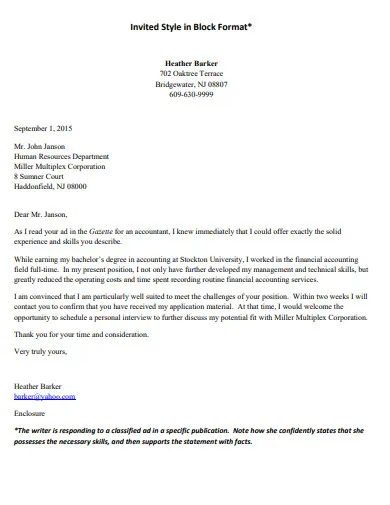
At the top of your cover letter, include your contact information, such as your full name, phone number, email address, and, optionally, your LinkedIn profile URL. This makes it easy for the hiring manager to contact you if they’re interested in scheduling an interview. Ensure the information is accurate and up-to-date, as any errors could prevent you from being contacted. Using a professional-looking email address is also a good idea. If you have a portfolio or personal website, you can include the link, but make sure the site is polished and professional.
Date

The date should be placed beneath your contact information. This is a straightforward element; ensure it reflects the date you are sending your cover letter. Formatting the date correctly shows attention to detail, which is important in any application. Use a formal date format (e.g., Month, Day, Year) for a professional appearance. This not only keeps your application organized but also helps keep track of the application process.
Greeting the Hiring Manager
A proper greeting sets the tone for your cover letter. Ideally, address the hiring manager by name (e.g., “Dear Mr. Smith”). Researching the name of the hiring manager is a crucial step and demonstrates that you’ve put in the effort. If you’re unable to find a specific name, use a professional alternative, such as “Dear Hiring Manager” or “Dear [Company Name] Hiring Team.” Avoid generic greetings like “To Whom It May Concern,” which can make your letter feel impersonal. Always use a title (Mr., Ms., Dr.) unless you know the individual prefers otherwise.
The Body of the Cover Letter
The body is the core of your cover letter, where you articulate your qualifications, skills, and enthusiasm for the role. This section should be clear, concise, and tailored to the specific job requirements. The body of the cover letter must capture the hiring manager’s attention by explaining why you are the best candidate for the job. It is important to showcase how your skills, experience, and achievements align with the company’s requirements. This is also a great opportunity to demonstrate your enthusiasm for the opportunity and the company’s values.
Highlighting Your Skills and Experience
Carefully review the job description and identify the key skills and experiences the employer is seeking. Then, in your cover letter, highlight those aspects of your background. Provide concrete examples of how you’ve demonstrated these skills in previous roles. Don’t just list your skills; illustrate them with specific achievements and quantifiable results. This will demonstrate your competence and provide evidence of your ability to succeed in the role. Use action verbs to describe your accomplishments.
Quantifying Achievements
Whenever possible, quantify your achievements with numbers, data, and specific results. For example, instead of saying “Improved sales,” say “Increased sales by 15% in one quarter.” This gives hiring managers a clear understanding of your impact and the value you can bring to their organization. Use metrics to showcase your successes. Quantifying your achievements helps potential employers see your accomplishments. Presenting your accomplishments through data provides a clear understanding of your past success.
Tailoring to the Job Description
Each cover letter should be tailored to the specific job and company. Avoid using a generic cover letter for multiple applications. Research the company, understand its mission, and customize your letter to show how your skills align with its needs. Mention specific projects, initiatives, or values that resonate with you. Demonstrate that you understand the role and the company’s culture. When you personalize your cover letter, it shows the hiring manager that you’ve invested time and effort in understanding the role and the company.
Expressing Enthusiasm and Interest

Convey your genuine enthusiasm for the opportunity and the company. Explain why you’re excited about the role and what you hope to achieve. Show that you’ve researched the company and understand its goals and values. This will demonstrate that you’re not just looking for any job, but a specific opportunity. Make sure to express your interest in the company. Make your cover letter a strong reflection of your personality. Use phrases and keywords that show your dedication and excitement.
The Closing of the Cover Letter
Your closing paragraph should summarize your interest in the position and reiterate your qualifications. It’s an opportunity to express your enthusiasm once more and encourage the hiring manager to take the next step. Close by expressing your eagerness for an interview and thanking the hiring manager for their time and consideration. You can also reiterate how your skills and experience make you a good fit, and a closing statement adds another layer of polish to your cover letter.
Formal Closing
Use a professional closing, such as “Sincerely,” “Best regards,” or “Yours sincerely.” Avoid casual closings like “Thanks” or “Cheers.” Following your closing, leave space for your signature (if submitting a physical copy) and type your full name. A professional closing provides a polished look and signals the end of your letter. Using a formal closing reflects respect for the hiring manager and the application process. It is important to use a closing that is appropriate and professional.
Contact Information

Reiterate your contact information at the end of your cover letter, either below your signature or in a separate line. This makes it easy for the hiring manager to find your contact details. It’s a good idea to include your phone number and email address. This reinforces your professionalism and ensures the hiring manager can easily reach you.
Proofreading and Editing
Before submitting your cover letter, meticulously proofread and edit it for any errors. Typos, grammatical errors, and spelling mistakes can create a negative impression. Read the letter aloud to catch any awkward phrasing or inconsistencies. Have a friend or colleague review your cover letter to provide a fresh perspective and catch any errors you might have missed. Use grammar-checking software to help identify and correct any mistakes.
Formatting and Design
The formatting and design of your cover letter are important. A well-formatted document is easy to read and professional. Use a clear, readable font, proper margins, and a concise layout to ensure that your letter is visually appealing. Make sure it presents your content in an organized and appealing manner. This is a small thing that can leave a lasting positive impression on the hiring manager, making your cover letter stand out from the crowd. Well-formatted documents are easier to read.
Choosing the Right Font and Size

Choose a professional and easy-to-read font, such as Times New Roman, Arial, or Calibri. The font size should be between 10 and 12 points. Ensure consistency throughout the document. Using standard fonts and sizes makes your cover letter easier to read. Avoiding unconventional fonts and sizes allows the hiring manager to focus on the content. Selecting the right font shows professionalism and attention to detail.
Page Layout and Margins
Set standard margins of 1 inch on all sides. This ensures your cover letter looks balanced and professional. Keep the layout clean and organized. Avoid excessive use of bolding, underlining, or italics, which can be distracting. Keep the layout of the document as simple as possible. Maintain consistency in your formatting choices throughout the document. Proper page layout and margins enhance readability and make a positive first impression.
Employer Cover Letter Samples
Reviewing employer cover letter samples can be an invaluable resource. Use them as a template and modify them to fit your experience. Samples can provide insights into structuring your cover letter and using the right language. While samples are a good starting point, always tailor the information to your experiences and the specific job requirements. Personalize the samples to make your letter unique and stand out.
Sample Cover Letter for a Software Engineer
A cover letter for a software engineer should highlight relevant technical skills, projects, and accomplishments. It should demonstrate proficiency in programming languages and relevant technologies. The best letters mention relevant projects, showcase technical skills, and quantify your accomplishments. Show how your abilities align with the job requirements. It’s important to emphasize your ability to solve problems, work in a team, and contribute to the company’s goals. These samples often emphasize project experience and specific technical skills.
Sample Cover Letter for a Marketing Manager
A cover letter for a marketing manager should showcase your strategic thinking, marketing expertise, and ability to drive results. It should highlight your experience with marketing strategies, campaigns, and achievements. Highlight your ability to analyze market trends and customer behavior. Marketing manager cover letters are often focused on showcasing successful marketing campaigns, your ability to manage a team, and how you have improved revenue. Emphasize your understanding of digital marketing and the latest marketing trends.
Sample Cover Letter for a Teacher
A cover letter for a teacher should emphasize your teaching experience, educational philosophy, and commitment to student success. It should highlight your ability to create engaging lessons, manage a classroom, and assess student progress. Showcase your experience with curriculum development and classroom management. Teacher cover letters highlight your dedication to education, describe your teaching experience, and showcase your classroom management skills. Demonstrate your passion for teaching and your ability to create a positive learning environment.
Adapting Samples to Your Needs
Use cover letter samples as a starting point, but always customize them to your specific experiences and the job requirements. Don’t simply copy and paste; instead, use the samples as a guide to structure your own letter. This will help you create a unique cover letter that showcases your strengths. Adapt the samples to emphasize skills and experiences relevant to the job. Customize them to reflect your achievements. Personalize the samples by including your specific information and unique qualifications.
Using Samples as a Template
Use cover letter samples as a template to understand the structure, tone, and language. See how other people have addressed similar job applications, and use the successful components to craft your own application. You can modify the format to suit your personal style and the specific requirements of the job. A template provides a clear framework to follow and provides a starting point. Adapt the provided structure and fill in your information.
Personalizing the Samples
The most important step is to personalize the cover letter samples. Tailor the samples to reflect your experiences, skills, and qualifications. Highlight your accomplishments, providing specific examples to support your claims. Research the company, and make sure the language and examples you include show you’re a great fit. Personalizing your cover letter makes your application stand out. Your cover letter will be unique, and show you are the best fit for the role.
Common Mistakes to Avoid
There are common mistakes to avoid when writing a cover letter. Recognizing these pitfalls helps you to create a more polished, effective document. Preventing these common mistakes from showing up in your cover letter will improve your chances of success. Avoiding these mistakes significantly increases your chances of landing an interview.
Generic Cover Letters
Avoid using a generic cover letter that’s not tailored to the specific job or company. These letters often lack relevance and fail to capture the hiring manager’s attention. Always customize your cover letter to demonstrate that you’ve researched the company and understand the role. Address specific needs or requirements in your letter. A generic letter shows you’re not genuinely interested in the position. Make the effort to show that you want the job.
Typos and Grammatical Errors
Proofread your cover letter meticulously to eliminate any typos, grammatical errors, or spelling mistakes. These errors can damage your credibility and make you appear careless. Read the letter aloud to catch any awkward phrasing or inconsistencies. Have someone else review your letter to catch any mistakes you might have missed. A cover letter with errors makes a poor impression on the hiring manager. Proofreading before submission is essential.
Exceeding the Recommended Length
Keep your cover letter concise and to the point. Aim for one page, unless specified otherwise. Avoid including unnecessary information or going off-topic. The hiring manager may not have much time to read lengthy letters. Keeping your letter concise helps to showcase your qualifications more effectively. Focus on the most relevant experiences and skills, and ensure your message is clear and easy to understand.
Final Tips for a Strong Cover Letter
Writing a strong cover letter requires careful planning and attention to detail. Follow these final tips to increase your chances of landing an interview and securing your desired job. These tips will help you to make your cover letter stand out. A well-crafted cover letter can significantly improve your job search.
Always customize your cover letter for each job application. Research the company and the role, and tailor your letter to align with their needs and values. Highlight the skills and experiences most relevant to the job description. By following these tips, you can create a cover letter that effectively showcases your qualifications, expresses your enthusiasm, and increases your chances of landing your dream job. A strong cover letter is an important tool for any job search.