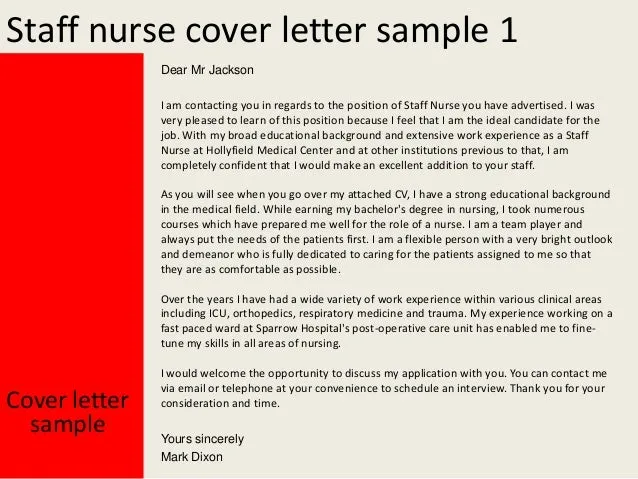
Highlighting Your ICU Nursing Skills
Crafting a compelling cover letter is crucial for new ICU nurses seeking employment. Your cover letter is your first impression, a chance to showcase your skills and passion for critical care. It should go beyond simply listing your qualifications; it should tell a story, demonstrating your understanding of the ICU environment and your ability to thrive in a high-pressure setting. Start by emphasizing your foundational nursing skills, such as patient assessment, medication administration, and basic life support. However, the key is to connect these skills directly to the ICU context. How do you apply these skills to critically ill patients? How do you handle complex situations? Showing how your skills translate into the ICU is essential. This sets the stage for the rest of your letter and immediately grabs the attention of the hiring manager.
Focusing on Relevant Experience
Even if you’re a new nurse, you likely have relevant experiences from clinical rotations, volunteer work, or previous healthcare roles. These experiences, while perhaps not directly in an ICU, can still demonstrate your aptitude for critical care. Highlight any exposure to high-acuity patients or settings, such as emergency departments, step-down units, or cardiac care units. Describe the tasks you performed, the skills you utilized, and the impact you made. Focus on experiences where you demonstrated critical thinking, quick decision-making, and the ability to remain calm under pressure. If you’ve taken any specialized courses, such as advanced cardiac life support (ACLS) or critical care nursing courses, be sure to mention them prominently, as they signal a proactive approach to ICU preparedness.
Tailoring Your Cover Letter

A generic cover letter will likely end up in the rejection pile. Customize your letter for each specific ICU position. Research the hospital or medical center and the specific ICU unit you’re applying to. Understand their mission, values, and any unique aspects of their patient population. Tailor your letter to reflect this understanding. Mention specific skills or experiences that align with the job description and the unit’s needs. Show that you’ve taken the time to learn about the organization and that you’re genuinely interested in joining their team. This level of personalization demonstrates your commitment and increases your chances of getting an interview. It is important to always match the skills you have against the job description.
Key Skills to Showcase
Your cover letter should highlight a combination of clinical and soft skills that are essential for ICU nurses. These skills demonstrate your competence and your ability to work effectively in a demanding environment. Focusing on specific skills that directly relate to the job description is a great way to ensure you stand out among the crowd. The goal is to demonstrate that you understand what it takes to be successful in a high-stakes environment where every second counts. By carefully selecting and showcasing your skills, you increase your chances of making a positive impression and securing an interview.
Clinical Skills
Detail your proficiency in essential clinical skills, such as patient assessment, including neurological, respiratory, and cardiovascular evaluations. Emphasize your ability to interpret vital signs, EKGs, and lab results accurately. Highlight experience with common ICU procedures like intubation, central line insertion, and mechanical ventilation. Demonstrate your knowledge of medication administration, including titrating vasoactive medications and managing intravenous infusions. Mention any specialized skills, such as experience with specific equipment like dialysis machines or intra-aortic balloon pumps. These skills are the foundation of ICU nursing care, and showcasing your competence in these areas is essential for demonstrating your readiness to excel in the role.
Soft Skills

Soft skills are just as crucial as clinical expertise in the ICU. Highlight your communication skills, especially your ability to effectively communicate with patients, families, and the interdisciplinary team. Showcase your critical thinking and problem-solving abilities, including your capacity to quickly assess situations, make sound judgments, and implement appropriate interventions. Emphasize your teamwork and collaboration skills, demonstrating your ability to work effectively with doctors, respiratory therapists, and other healthcare professionals. Your ability to manage stress and maintain composure under pressure is vital. Finally, demonstrate your adaptability and willingness to learn, showcasing your commitment to continuous professional development and the evolving demands of critical care nursing.
Demonstrating Patient Care Experience
Provide specific examples of your patient care experience. Instead of simply stating that you provided care, describe a situation where you made a difference in a patient’s life. Focus on instances where you provided exceptional care, advocated for a patient’s needs, or contributed to positive outcomes. Detail how you handled challenging situations, such as dealing with a critically ill patient or communicating difficult news to a family. Share any instances where you collaborated effectively with the medical team to improve patient outcomes. These specific anecdotes demonstrate your hands-on experience and your ability to provide high-quality patient care. They can also make a lasting impression on the hiring manager, setting you apart from other candidates.
Quantifying Achievements
Whenever possible, quantify your achievements. Use numbers and data to demonstrate the impact of your work. For example, instead of saying you reduced medication errors, state that you reduced medication errors by a specific percentage through implementing a new protocol. If you’ve participated in quality improvement initiatives, mention the specific improvements you helped achieve. If you’ve received positive feedback from patients or families, include that information, as well. Quantifying your achievements adds credibility to your claims and provides concrete evidence of your skills and contributions. Quantifiable results show that you not only have the skills but that you use them effectively to generate positive patient outcomes, which is what every ICU is looking for.
Highlighting Certifications and Licenses

Clearly list all relevant certifications and licenses. Ensure your nursing license is active and in good standing. Include any certifications that are relevant to ICU nursing, such as ACLS, CCRN (Critical Care Registered Nurse), or CEN (Certified Emergency Nurse). If you’re working towards a certification, mention it and state your expected completion date. Include any other specialized training or certifications that are pertinent to critical care. Listing these certifications and licenses immediately demonstrates that you meet the basic requirements for the role. They also show that you have taken the initiative to enhance your skills and knowledge, making you a more competitive candidate. This demonstrates a commitment to continuous learning and provides assurance that you have the credentials required.
Formatting and Structure
Your cover letter should be well-organized and easy to read. Use a professional font, such as Times New Roman or Arial, and maintain consistent formatting throughout. Start with a clear and concise heading that includes your contact information and the date. Address the letter to the hiring manager, if possible, and if not, use a general salutation like ‘Dear Hiring Committee.’ Structure your letter logically, with a clear introduction, body paragraphs, and a concise conclusion. Each paragraph should focus on a specific point, and the overall tone should be professional and enthusiastic. A well-structured letter showcases your professionalism and attention to detail, making a positive impression on the hiring manager.
Professional Tone
Maintain a professional tone throughout your cover letter. Use formal language and avoid slang, abbreviations, or overly casual phrasing. Focus on your qualifications, skills, and experiences, and avoid any negative comments about previous employers or coworkers. Be enthusiastic about the opportunity, but avoid sounding desperate or overly eager. Demonstrate confidence in your abilities while remaining respectful and professional. The goal is to convey your competence and enthusiasm while maintaining a professional image, making the hiring manager want to learn more about you. The tone must be appropriate for a professional healthcare setting.
Proofreading and Editing

Proofread and edit your cover letter carefully before submitting it. Check for any grammatical errors, spelling mistakes, and typos. Have someone else review your letter as well, as a fresh pair of eyes can often catch errors that you may have missed. A polished, error-free cover letter demonstrates your attention to detail and your commitment to excellence. Errors can undermine your credibility and potentially cost you the opportunity, so always take the time to proofread carefully. Ensure that your cover letter is free of errors, and that the message is clear, concise, and professional. This is the final step in creating a cover letter that will grab the attention of the hiring manager and make a great first impression.