Understanding the Power of a Cover Letter
In the competitive world of job applications, a well-crafted cover letter can be your secret weapon. It’s more than just a formality; it’s your opportunity to make a strong first impression and set yourself apart from other candidates. A compelling cover letter tells your story, highlights your skills, and demonstrates why you’re the perfect fit for the role. Many job seekers underestimate the power of a cover letter and send generic applications that don’t resonate with employers. This article unveils the secrets to crafting cover letters that grab attention and land you interviews. It provides insights into how to write a great cover letter, including key elements, best practices, and common mistakes to avoid. By mastering these techniques, you’ll significantly increase your chances of success in your job search.
Why Cover Letters Matter
Cover letters provide a space to demonstrate personality and passion beyond the resume. A resume lists your qualifications, but a cover letter offers context. You can explain why you’re interested in the specific job and company, and show how your skills align with their needs. It is a chance to provide context to your experiences. Explain any gaps in your employment history or provide a better narrative to your experiences. They allow you to address the specific requirements of a job description, showing that you understand what the employer is looking for. A great cover letter builds a bridge between your qualifications and the employer’s needs, which will significantly increase your chances of getting an interview.
The Role of a Cover Letter in Job Applications

The primary role of a cover letter is to introduce you to a potential employer and showcase your value. It’s your chance to make a compelling first impression and convince the hiring manager to read your resume. It’s an introduction that needs to quickly demonstrate why you’re the best candidate. It should highlight your most relevant skills, experiences, and achievements. The cover letter is also where you express your enthusiasm for the position and the company. It lets you explain your interest in the role and the company, which shows that you’ve done your homework and are genuinely interested in the opportunity. It personalizes your application and separates you from the mass of applicants. A well-written cover letter signals that you’re serious about the job and ready to take the next step in the hiring process.
Top 5 Cover Letter Secrets
Secret 1: Tailor to the Job Description
One of the biggest mistakes job seekers make is sending generic cover letters. Each cover letter should be customized to the specific job you’re applying for. Read the job description carefully and identify the key skills and qualifications the employer is seeking. Then, highlight the experiences and accomplishments that align with those requirements. Customize the cover letter to each job opportunity. Using a template and changing the company name is not enough. This level of personalization shows that you’re genuinely interested in the role and have taken the time to understand the company’s needs. It sets the stage for a compelling application that will significantly increase your chances of getting an interview.
Highlighting Relevant Skills and Experience

When tailoring your cover letter, focus on the skills and experience that are most relevant to the job description. Don’t just list your qualifications; explain how your skills and experience make you a good fit for the role. Provide specific examples of how you’ve used your skills in previous roles to achieve results. For example, if the job description emphasizes project management skills, describe a project you led, the challenges you overcame, and the positive outcomes you achieved. This approach shows that you have the necessary skills and can deliver tangible results. By focusing on the key requirements, you demonstrate that you understand the employer’s needs and can contribute to their success.
Using Keywords Effectively
Use keywords from the job description in your cover letter, but don’t overdo it. Sprinkle relevant keywords naturally throughout the text. Keywords help applicant tracking systems (ATS) identify qualified candidates. Also, they show the hiring manager that you understand the job’s requirements. Don’t simply stuff keywords into your letter; use them in context to demonstrate your understanding of the role and your ability to perform its duties. When using keywords, integrate them seamlessly into sentences that describe your skills, experiences, and accomplishments. This approach ensures that your cover letter is both optimized for ATS and engaging for the hiring manager.
Secret 2: Showcase Your Personality
A cover letter is an opportunity to let your personality shine. While maintaining a professional tone, show the hiring manager who you are and what makes you unique. Share your enthusiasm for the role and the company, and demonstrate your passion for the industry. This will make you more memorable and help you connect with the hiring manager on a personal level. The cover letter isn’t just a summary of your skills and experience; it is your chance to demonstrate your enthusiasm for the role and the company. It can make the hiring manager like you and want to meet you in person.
Finding the Right Tone

The tone of your cover letter should be professional but also reflect your personality. While it’s important to be respectful and formal, don’t be afraid to let your personality shine through. A cover letter with a friendly and engaging tone is more likely to capture the hiring manager’s attention. The tone should match the company culture and the specific role you’re applying for. If the company has a more casual culture, you can adopt a more conversational tone in your cover letter. This will make you seem more relatable and approachable. If the company culture is more formal, keep your language and tone professional, but don’t be afraid to showcase your personality.
Demonstrating Enthusiasm
Express your excitement for the opportunity and the company. Explain why you’re interested in the role and what attracts you to the company. Research the company and mention specific aspects that resonate with you. This shows the hiring manager that you’re genuinely interested in the position. Demonstrating enthusiasm can make you memorable. Mentioning the specific company’s mission, values, or recent projects will show that you’ve done your homework and are eager to contribute to their success.
Secret 3: Quantify Your Achievements
Instead of simply listing your responsibilities, use numbers and data to quantify your achievements. For example, instead of saying, “Managed social media accounts,” say “Increased social media engagement by 30% in six months.” Quantifying your achievements demonstrates the impact you’ve made in previous roles. Use the STAR method (Situation, Task, Action, Result) to provide specific examples of your accomplishments. Providing metrics helps the hiring manager see the value you bring. Make sure the achievements are relevant to the role you’re applying for. If you can include quantifiable results, it will make your application much more compelling.
Using Numbers and Data

Numbers and data provide concrete evidence of your accomplishments. Whenever possible, use data to back up your claims. For example, if you improved sales, state the percentage increase. If you managed a project, include the budget and the percentage by which you completed it under budget or ahead of schedule. Using metrics provides a clear and concise way to showcase your impact. This helps hiring managers quickly understand your value. Your ability to present your achievements in this format can make a significant difference in how a hiring manager perceives your application.
Providing Specific Examples
Specific examples provide context and credibility to your claims. Use the STAR method to illustrate your achievements. Describe the situation you were in, the task you needed to complete, the actions you took, and the results you achieved. The STAR method helps structure your responses. It also ensures that you provide clear and concise information about your accomplishments. For example, “In my previous role at X company (Situation), I was tasked with streamlining our customer onboarding process (Task). I implemented a new software and trained the team (Action), which resulted in a 20% reduction in customer onboarding time and increased customer satisfaction scores (Result).”
Secret 4: Perfect the Formatting
Your cover letter should be visually appealing and easy to read. Use a professional font, such as Times New Roman or Arial, and ensure the font size is easy on the eyes. Use clear headings, bullet points, and ample white space to break up the text and make it more readable. A well-formatted cover letter shows that you pay attention to detail and value professionalism. Formatting can be a deciding factor in the hiring process. A cover letter that is well-formatted is easier to read, which will increase the chances that the hiring manager will finish reading it. The use of proper formatting is critical for making a great impression.
Choosing a Professional Layout

Choose a layout that is easy to read and visually appealing. Use a clear font, such as Times New Roman or Arial, and ensure the font size is between 11 and 12 points. Use ample white space to break up the text and make it more readable. Avoid using overly complex or distracting formatting elements. The layout should be clean, organized, and easy on the eyes. Maintain consistency throughout your cover letter. Ensure your contact information, salutation, body paragraphs, and closing are formatted consistently. Consistent formatting reflects attention to detail and professionalism, which hiring managers appreciate.
Ensuring Readability
Ensure your cover letter is easy to read. Use short paragraphs, clear headings, and bullet points to break up the text. Avoid using dense blocks of text. Write in a clear and concise style. Use active voice and avoid jargon. Ensure the language is easy to understand. Read your cover letter aloud to check for any awkward phrasing or sentences that are difficult to follow. Make sure that your grammar and spelling are correct. A readable cover letter is more likely to be read in its entirety. Also, a readable document is easier for the hiring manager to comprehend your qualifications. If a hiring manager can read your document easily, they are more likely to consider you for the position.
Secret 5: Proofread Meticulously
Typos and grammatical errors can ruin your chances of landing an interview. Before submitting your cover letter, proofread it carefully for any errors. Use a grammar checker, but also read it aloud to catch any mistakes that the software might miss. Ask someone else to review your cover letter. A fresh pair of eyes can catch errors you might have missed. Thorough proofreading shows that you pay attention to detail and take pride in your work. These are important qualities to employers. Proofreading your cover letter demonstrates that you value professionalism and are committed to producing high-quality work.
Checking for Grammar and Spelling Errors

Grammar and spelling mistakes can undermine your credibility and make you look unprofessional. Use a grammar checker to identify any errors in your cover letter. Carefully review your writing for any typos, grammatical errors, and punctuation mistakes. Pay close attention to the use of proper nouns, verb tenses, and subject-verb agreement. Also, remember that grammar and spell-check software may not always catch all the mistakes. Always read through your cover letter. A clean and error-free cover letter will make a great impression. It demonstrates attention to detail and a commitment to quality.
Seeking Feedback from Others
Asking a friend, family member, or career counselor to review your cover letter can provide valuable feedback. A fresh perspective can help you identify any areas for improvement. Ask for feedback on the clarity, conciseness, and overall impact of your cover letter. Ask if your personality comes through, and if the letter effectively highlights your skills and experience. Take the feedback constructively and make the necessary revisions. A second opinion can help you make the cover letter more persuasive and compelling. Getting feedback can also help you identify mistakes that you missed during the proofreading process.
Formatting Your Cover Letter
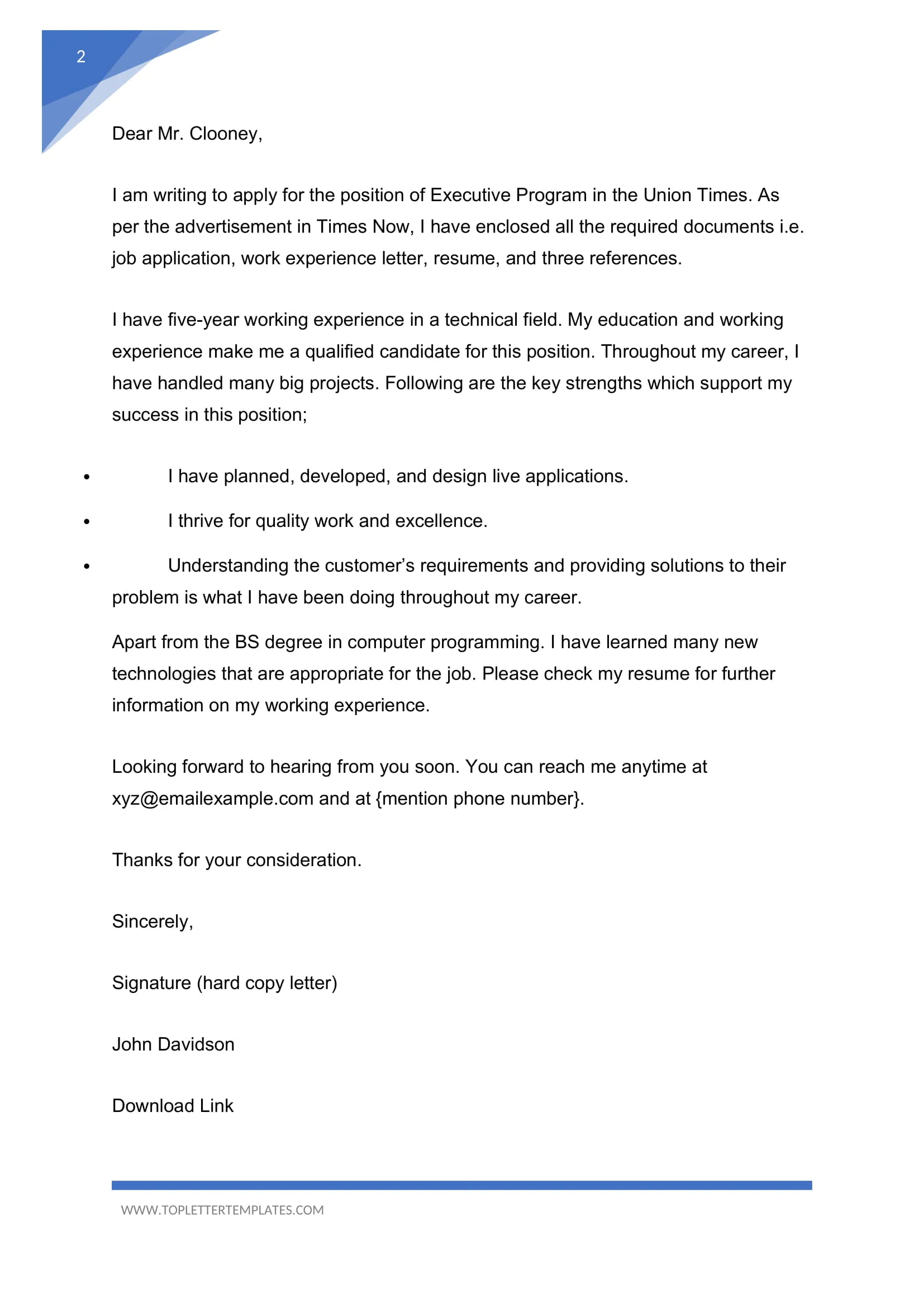
Proper formatting is crucial for a cover letter. Here are the key elements to include and how to format them effectively. Correct formatting helps make a good impression and ensures the hiring manager reads the letter. Your cover letter should be properly structured. Using a professional format will set you apart from other applicants. If you’re applying for a job, it will be crucial to follow these steps.
Contact Information

At the top of your cover letter, include your contact information. List your name, phone number, email address, and LinkedIn profile URL. This allows the hiring manager to easily contact you. Ensure your email address is professional and easy to read. Always double-check your contact information for accuracy. If your contact information is incorrect, the hiring manager won’t be able to reach you, and you’ll miss the opportunity. Provide the hiring manager with a simple way to follow up with you.
Salutation
Address the hiring manager by name if possible. Research the name of the hiring manager or the person in charge of the hiring process. Use a formal salutation, such as “Dear Mr./Ms./Mx. [Last Name].” If you can’t find a specific name, use a general salutation like “Dear Hiring Manager.” If you can’t find a name, you could also look up the company’s contact information and look for the hiring manager or relevant person. Using the hiring manager’s name personalizes your letter. This demonstrates your attention to detail and initiative. It can also set you apart from other candidates.
Body Paragraphs
The body of your cover letter is where you showcase your skills, experiences, and achievements. Start with a strong opening statement that grabs the hiring manager’s attention. Briefly explain why you’re interested in the position and the company. In the following paragraphs, highlight your most relevant qualifications and provide specific examples of your accomplishments. Tailor your content to the specific job description. Use keywords and phrases from the job posting to show how your skills align with the company’s needs. End the body with a call to action. State your interest in the position and your willingness to discuss your qualifications further. Mention how you can solve the hiring manager’s problems.
Closing and Signature
Conclude your cover letter with a professional closing, such as “Sincerely” or “Best regards.” Then, sign your name, and include your typed name below the signature. Thank the hiring manager for their time and consideration. End your letter on a positive note. Include your contact information below your signature. Be sure to proofread one last time. A strong closing reinforces your enthusiasm and willingness to contribute. It leaves a lasting positive impression.