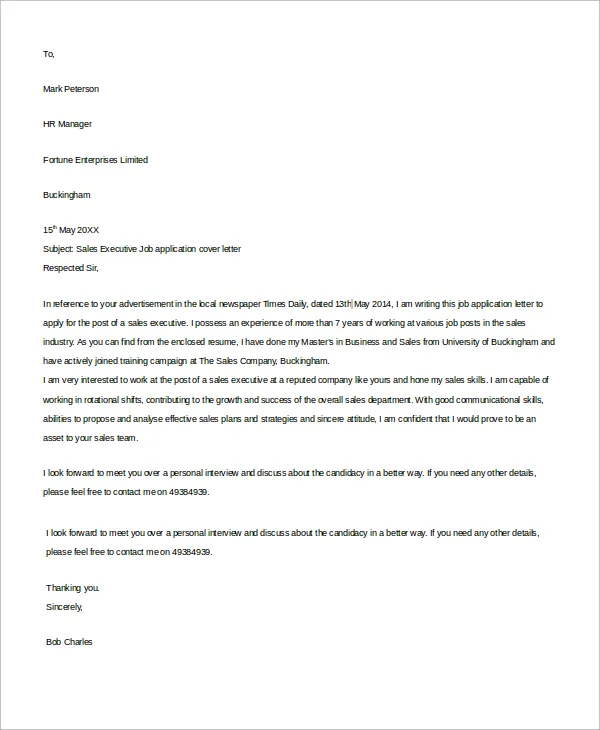
What is a Cover Letter?
A cover letter is a crucial document accompanying your resume when applying for a job. It serves as your introduction to a potential employer, providing a concise overview of your qualifications, skills, and experience. Unlike a resume, which presents a factual account of your work history and education, a cover letter allows you to express your personality, demonstrate your interest in the specific role, and explain why you’re the perfect fit for the company. It’s your chance to make a strong first impression and convince the hiring manager to delve deeper into your qualifications. A well-crafted cover letter goes beyond simply repeating information from your resume; it tells a story about your career aspirations and how they align with the company’s goals. It highlights your accomplishments, showcases your writing abilities, and gives you an opportunity to elaborate on your motivations for applying.
Why Cover Letters Matter
In today’s competitive job market, cover letters are more important than ever. They provide context to your resume, enabling employers to understand the ‘why’ behind your application. They are your opportunity to showcase your personality, enthusiasm, and writing skills, setting you apart from other applicants. Many hiring managers first review the cover letter to gauge your interest and fit for the role, making it a critical screening tool. A strong cover letter demonstrates your ability to communicate effectively, which is essential in almost every professional setting. It shows that you’ve taken the time to research the company and tailor your application, indicating your genuine interest in the opportunity. Furthermore, a cover letter can highlight unique skills or experiences that may not be immediately apparent on your resume, giving you a competitive edge. Neglecting a cover letter, or submitting a generic one, can significantly diminish your chances of securing an interview.
Key Components of a Cover Letter

A well-structured cover letter consists of several key components, each playing a vital role in conveying your message effectively. The following elements are essential for creating a compelling cover letter. Start with a proper heading, including your contact information and the date. Next, use a professional and respectful greeting. The opening paragraph should immediately capture the reader’s attention, stating the position you’re applying for and where you found the job posting. The body of the letter is where you showcase your skills and experience, tailoring your qualifications to the specific requirements of the role. In this section, you should also demonstrate your knowledge of the company and express your enthusiasm for the opportunity. The closing paragraph should reiterate your interest, summarize your key qualifications, and include a call to action, such as requesting an interview. Finally, proofread the entire letter carefully to eliminate any grammatical errors or typos.
Contact Information and Date
Begin your cover letter by including your contact information at the top. This typically includes your full name, address, phone number, and professional email address. Make sure the email address you use is professional; avoid using nicknames or casual language. Following your contact information, add the date of the letter. This should be the date you are sending the application. After the date, if you know the hiring manager’s name, include their name and title, along with the company’s address. If the name isn’t available, you can use a general greeting such as ‘Dear Hiring Manager.’ This structured approach ensures the employer knows who you are, how to contact you, and when the letter was written. Attention to detail in this initial section is crucial, as it sets the tone for the entire letter and shows that you’re organized and professional. In addition to displaying your contact details, ensuring the date is present and current demonstrates your preparedness and awareness of the application timing.
The Greeting
The greeting in your cover letter is your first opportunity to make a positive impression. Ideally, address the hiring manager by name. Research the company’s website or use LinkedIn to find the name of the person responsible for hiring. Using their name shows that you have taken the time to learn about the company and the role, demonstrating your genuine interest. If you are unable to find a specific name, use a professional greeting such as ‘Dear Hiring Manager’ or ‘Dear [Department Name] Team’. Avoid generic greetings like ‘To Whom It May Concern,’ which can make your application feel impersonal. The greeting sets the tone for the rest of the letter, so make it respectful and professional. Double-check the spelling of the recipient’s name, as a misspelling can reflect poorly on your attention to detail. A well-chosen and personalized greeting immediately captures the hiring manager’s attention and signals that you have tailored your application for this specific opportunity.
Writing a Compelling Opening

The opening paragraph of your cover letter is critical; it’s your chance to grab the reader’s attention and entice them to keep reading. Clearly state the position you are applying for and where you found the job posting. If you were referred by someone, mention their name briefly; this can provide an immediate connection. Then, immediately follow with a concise statement about why you are interested in the role and why you are a good fit. This could be a brief highlight of your most relevant skills or a compelling accomplishment. Avoid generic statements. Instead, show enthusiasm and explain what specifically attracted you to the company or the position. The opening should be engaging and demonstrate your understanding of the job requirements. It’s important to make this section memorable, establishing the tone for the rest of the cover letter. Creating an effective opening will significantly influence whether the hiring manager continues reading and considers your application further. This sets the stage for the presentation of your skills and experience.
Highlighting Relevant Skills and Experience
The body of your cover letter is where you showcase your skills and experience in detail. Carefully review the job description and identify the key requirements. Then, provide specific examples of how your skills and experiences match those requirements. Use the STAR method (Situation, Task, Action, Result) to describe your accomplishments, providing context and illustrating the impact you made in previous roles. Quantify your achievements whenever possible. Use numbers and data to demonstrate your success. For example, instead of saying ‘Improved customer satisfaction,’ say ‘Increased customer satisfaction scores by 15% through implementing a new feedback system.’ Tailor your examples to the specific role, emphasizing those experiences that align with the job’s responsibilities. Avoid simply listing your skills; instead, provide evidence of how you applied those skills to achieve specific results. Be sure to maintain a professional tone throughout and keep the content relevant, illustrating how your background enables you to succeed in the position.
Tailoring the Letter to the Job
One of the most critical tips for a successful cover letter is to tailor it to each job application. Avoid using a generic cover letter; instead, customize it for every position you apply for. Read the job description carefully and identify the key skills, qualifications, and experiences the employer is seeking. Then, use the cover letter to highlight how your specific skills align with their needs. Show that you understand the company’s mission, values, and the specific requirements of the role. Research the company, its products or services, and its culture. Mention these details in your cover letter to demonstrate that you have invested time and effort into understanding the organization. This shows the hiring manager that you are genuinely interested in the position. Modifying your cover letter for each application increases your chances of getting noticed. Tailoring the content makes your application more relevant and demonstrates that you’ve taken the initiative to align yourself with the company’s unique requirements, which is a sign of your commitment to the opportunity.
Demonstrating Enthusiasm

Expressing enthusiasm for the role and the company is essential for making a positive impression. Show your genuine interest in the position by explaining why you are excited about the opportunity. Mention specific aspects of the job or the company that appeal to you. You might highlight aspects such as the company’s culture, its commitment to innovation, or the opportunity to work on exciting projects. Demonstrate that you have researched the company and understand its mission and values. Show how your personal and professional goals align with the company’s objectives. Use positive language and avoid being overly formal. Share anecdotes about why you are interested in the role, and express confidence in your ability to contribute to the team. Enthusiasm conveys your passion and commitment, which can significantly influence the hiring manager’s perception of your candidacy. When you show that you are genuinely excited about the opportunity, it makes you stand out and increases your chances of getting an interview. Your eagerness can turn the hiring manager’s attention toward you, and away from another potential candidate.
The Closing
The closing paragraph is your final opportunity to leave a lasting impression. Reiterate your interest in the position and summarize your key qualifications briefly. Express your enthusiasm for the opportunity to discuss your qualifications further. Include a clear call to action. State that you are available for an interview and provide your contact information again. Thank the hiring manager for their time and consideration. A well-crafted closing should be confident, polite, and professional. Avoid generic phrases; instead, aim for a memorable closing statement that summarizes your value proposition. Proofread the closing carefully to ensure that it is free of errors. The closing should reinforce the reasons you are the best candidate, leaving the hiring manager with a positive impression of your candidacy. Ending your letter with a concise, enthusiastic statement is crucial because it can push the hiring manager to move your application forward.
Proofreading and Editing
Before submitting your cover letter, proofreading and editing are non-negotiable steps. Errors in grammar, spelling, and punctuation can damage your credibility and create a negative impression. Carefully review the entire letter for any mistakes. Read it aloud to catch any awkward phrasing or sentence structure. Consider asking a friend, colleague, or career counselor to proofread your letter as well. Fresh eyes can often identify errors you might have missed. Ensure that the formatting is consistent throughout the document. Use a professional font and maintain consistent spacing. Double-check all contact information, including the hiring manager’s name and the company’s address. Make sure you have customized the letter for the specific job. A polished and error-free cover letter demonstrates your attention to detail and professionalism. Investing time in proofreading can significantly improve the impact of your application, ensuring that you make a positive first impression.
Cover Letter Tips [5]

To summarize, here are five essential tips for crafting an effective cover letter. Tailor your cover letter to each job, customizing it to align with the specific requirements of the position and the company’s needs. Highlight your key skills and experiences. Provide specific examples to show how you have demonstrated those skills in the past. Demonstrate enthusiasm for the role and the company. Show genuine interest in the opportunity, expressing what attracts you to the position. Proofread and edit your cover letter carefully. Ensure that your letter is free of errors and professionally formatted. Follow up. Send a thank-you note after the interview and then follow up with the company to show continued interest.