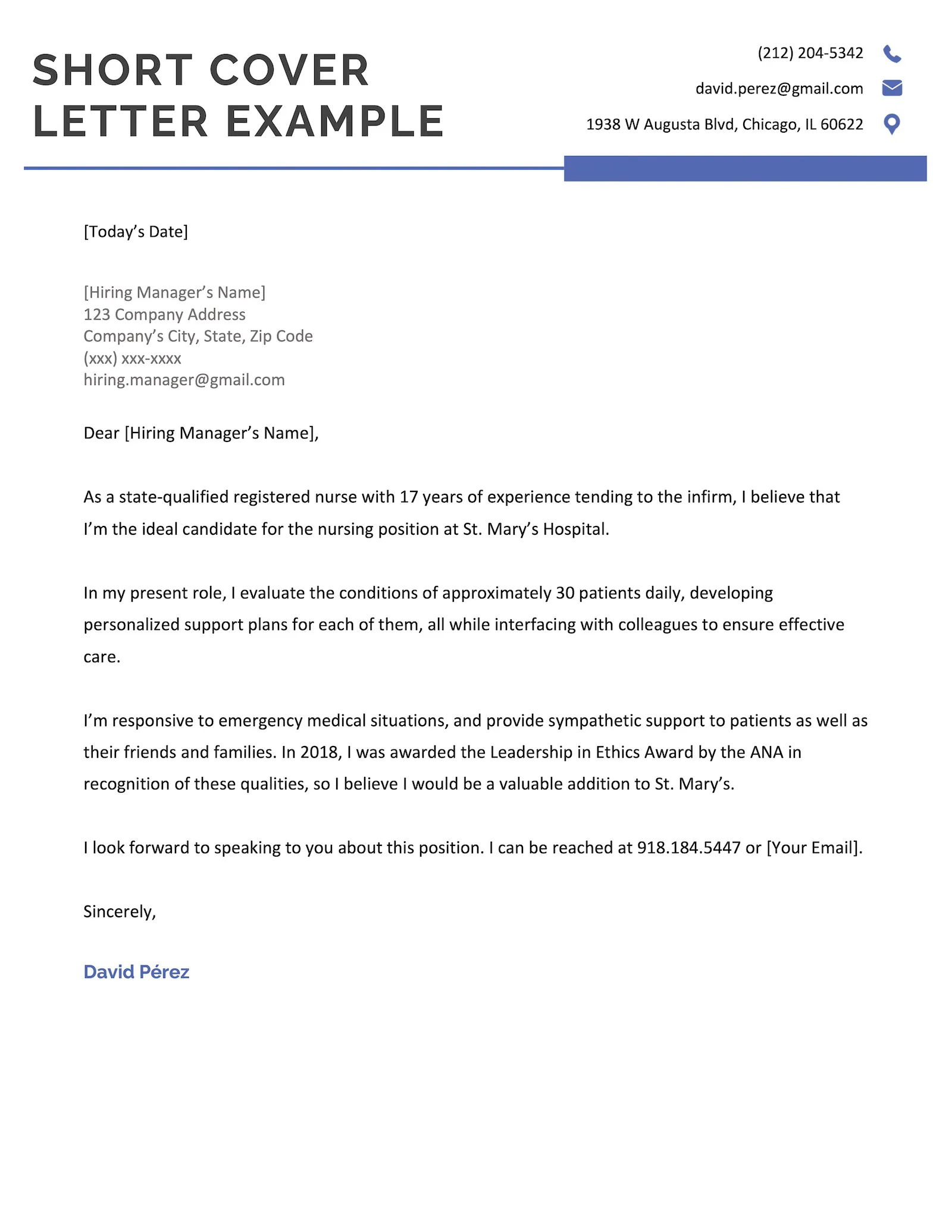
What is a Cover Letter
A cover letter is a crucial document that accompanies your resume when applying for a job. It serves as a formal introduction, allowing you to elaborate on your qualifications, skills, and experiences in a way that a resume cannot. It’s your opportunity to make a strong first impression and persuade the hiring manager to consider your application. Think of it as your personal sales pitch, highlighting why you are the perfect fit for the specific role and company. Unlike a resume, which provides a concise overview, the cover letter enables you to showcase your personality, writing skills, and enthusiasm for the position.
The Importance of a Cover Letter
In today’s competitive job market, a well-crafted cover letter can significantly increase your chances of landing an interview. It demonstrates your genuine interest in the position and the company. It provides a platform to showcase how your skills and experiences align with the job requirements and the company’s values. A compelling cover letter can differentiate you from other applicants, particularly if your resume alone may not fully convey your potential. It also provides an opportunity to address any potential gaps in your resume or explain career changes, providing context and a narrative to your professional journey.
Key Components of a Cover Letter

A strong cover letter is structured with specific components, each serving a unique purpose in conveying your message effectively. Understanding these components is essential to creating a persuasive cover letter that resonates with hiring managers. Each part contributes to a cohesive narrative that highlights your qualifications and enthusiasm for the role.
Contact Information
At the top of your cover letter, include your contact information. This typically includes your name, phone number, email address, and optionally, your LinkedIn profile URL. Make sure this information is accurate and up-to-date so that potential employers can easily reach you. This section sets the stage for professionalism and easy communication.
Date
Include the date you are submitting the cover letter. This helps establish when the letter was written and demonstrates timeliness in your application.
Hiring Manager’s Name and Title

If possible, address your cover letter to a specific person (the hiring manager) by name and title. Researching the hiring manager’s name shows initiative and attention to detail. If you can’t find a specific name, use a professional salutation like “Dear Hiring Manager” or “Dear [Department Name] Team.”
Greeting
Begin your cover letter with a professional greeting, such as “Dear Mr./Ms. [Last Name]” or “Dear Hiring Manager.” This establishes a respectful tone from the outset. Avoid overly casual greetings; maintain a professional and respectful demeanor throughout your letter.
Body Paragraphs
The body of your cover letter is where you showcase your skills and experiences, explain why you’re a good fit, and express your interest in the company. Structure your paragraphs logically and concisely to make a strong case for your candidacy. Each paragraph should focus on a specific aspect of your qualifications and how they align with the job requirements and company culture.
Introduction

Start with a strong opening that grabs the reader’s attention. Mention the position you are applying for and where you found the job posting. Briefly state your key qualifications or the reason you are interested in the role. This introduction sets the tone and helps the reader understand the purpose of your letter immediately.
Highlight your skills and experiences
In the body paragraphs, provide specific examples of your skills and experiences that are relevant to the job. Use the job description to identify the key requirements and tailor your examples to match. Quantify your accomplishments whenever possible (e.g., “Increased sales by 15% in six months”) to demonstrate your impact and capabilities. Focus on the skills and experiences that directly address the needs of the position.
Explain why you are a good fit for the role
Clearly explain why you are the ideal candidate for the role. Connect your skills and experiences with the job requirements, showing how you can contribute to the company’s success. Demonstrate your understanding of the company’s mission and values and explain how your goals align with the company’s objectives. Tailor your response to reflect the unique aspects of the company and the position.
Mention the company culture

Show that you’ve researched the company and understand its culture and values. Mention specific aspects of the company that resonate with you and explain why you are drawn to work there. Demonstrating your knowledge of the company helps you stand out as someone who is genuinely interested in being a part of the organization. It also shows that you are not just sending a generic application.
Call to Action
End your cover letter with a clear call to action. Express your enthusiasm for the opportunity and state your availability for an interview. Thank the hiring manager for their time and consideration. This final touch encourages the reader to take the next step, such as contacting you to schedule an interview.
Closing and Signature
Conclude with a professional closing, such as “Sincerely,” “Best regards,” or “Thank you.” Then, type your full name. If submitting a physical letter, leave space for your handwritten signature above your typed name. This formality adds a polished touch to your cover letter and reinforces the professional tone.
Examples of Cover Letters for Different Industries

Cover letters should be tailored to the specific industry and role you are applying for. The tone, format, and emphasis on skills will vary. Here are some examples of cover letters designed for different industries and job titles.
Cover Letter Example for a Marketing Role
A marketing cover letter should highlight your marketing skills, such as content creation, SEO, social media management, and campaign analysis. Demonstrate your ability to drive results by including metrics and examples of successful campaigns. Focus on your understanding of marketing strategies and your creativity. Highlight your passion for marketing and your ability to contribute to the company’s brand and growth. Use keywords from the job description, and showcase your ability to connect with the target audience.
Cover Letter Example for a Software Engineer Role
A software engineer cover letter should emphasize your technical skills, such as programming languages, software development methodologies, and experience with specific technologies. Highlight projects you’ve worked on, showcasing your ability to solve complex problems and deliver high-quality code. Mention any relevant certifications or open-source contributions. Demonstrate your problem-solving skills and your ability to collaborate with a team. Focus on your ability to contribute to the development and maintenance of software systems.
Cover Letter Example for a Teacher

A teacher’s cover letter should highlight your experience in education, your teaching philosophy, and your ability to create a positive and engaging learning environment. Emphasize your skills in classroom management, curriculum development, and student assessment. Showcase your ability to connect with students, parents, and colleagues. Mention any relevant certifications, awards, or professional development activities. Focus on your passion for teaching and your commitment to student success, ensuring to mention your ability to develop a positive and inclusive classroom environment.
Cover Letter Example for a Healthcare Role
A healthcare cover letter should highlight your clinical skills, your experience working with patients, and your ability to provide compassionate care. Emphasize your knowledge of medical procedures, patient care protocols, and electronic health records. Showcase your ability to work collaboratively with other healthcare professionals. Mention any relevant certifications and your understanding of healthcare regulations. Focus on your commitment to patient well-being and your ability to provide high-quality care within an ever changing medical field.
Tips for Writing a Compelling Cover Letter
Writing a compelling cover letter requires careful attention to detail and a strategic approach. Here are some key tips to help you create a cover letter that grabs the reader’s attention and increases your chances of landing an interview.
Tailor your cover letter to each job application

Do not use a generic cover letter. Always customize your cover letter for each job application. Research the company and the specific role to understand their needs and requirements. Use the job description to identify the key skills and qualifications they are looking for and address them directly in your letter. Tailoring your letter shows that you are genuinely interested in the position and have taken the time to understand what the company is looking for. Customization significantly increases your chances of being noticed.
Use action verbs
Use strong action verbs to describe your accomplishments and responsibilities. Action verbs make your cover letter more dynamic and engaging. Use verbs such as “managed,” “led,” “developed,” “created,” “implemented,” “achieved,” and “improved.” These verbs help to demonstrate your skills and accomplishments and make a more convincing case for your candidacy. Avoid passive language, as it can make your cover letter sound less impactful.
Keep it concise
Keep your cover letter concise and to the point. Aim for one page in length. Hiring managers often have limited time to review applications, so it’s crucial to make your points quickly and effectively. Focus on the most relevant information and avoid unnecessary details. A concise cover letter is easier to read and allows you to make a stronger impact. Use clear and direct language, and get straight to the point, allowing the reader to quickly grasp your value proposition.
Proofread carefully
Proofread your cover letter carefully for any spelling, grammar, or punctuation errors. Errors can undermine your credibility and create a negative impression. Read your letter aloud to catch any awkward phrasing or typos. Ask a friend or family member to review your cover letter for a fresh perspective. Proofreading ensures that your cover letter is polished and professional. A well-proofread cover letter demonstrates your attention to detail and your commitment to quality.