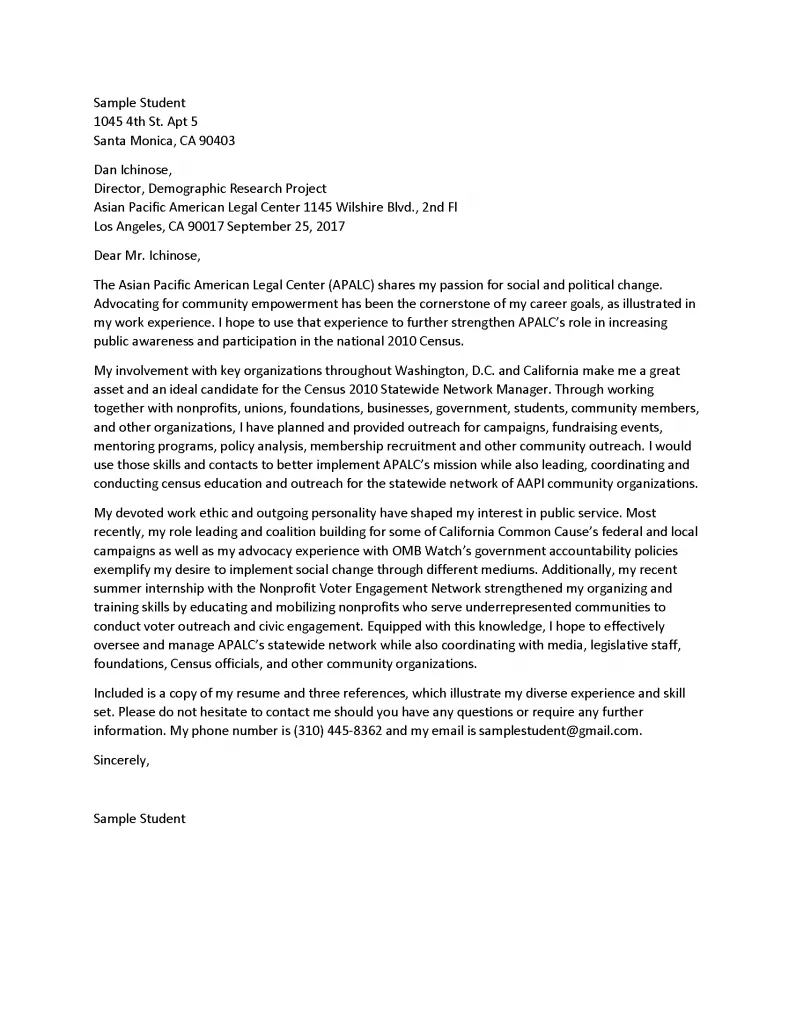
What is a Job Cover Letter
A job cover letter is a crucial document that accompanies your resume when applying for a job. It serves as your introduction to the hiring manager and provides an opportunity to showcase your personality, skills, and experience in a more personalized way than a resume allows. Think of it as your first impression, a chance to make a strong and lasting impact. A well-crafted cover letter can significantly increase your chances of landing an interview by demonstrating your genuine interest in the position and the company. It’s your chance to tell a story that the resume alone cannot convey, making you a more compelling candidate.
Why You Need a Job Cover Letter
In today’s competitive job market, a cover letter isn’t just optional—it’s essential. It provides context to your resume, allowing you to explain how your skills and experience align with the specific requirements of the job. It allows you to tailor your application to each position, highlighting the aspects of your background that are most relevant. Without a cover letter, you risk appearing generic and losing out to candidates who have taken the time to personalize their applications. A cover letter shows that you have put in the extra effort to understand the company and the role. It also gives you a platform to address any potential gaps or concerns that might arise from your resume.
Cover Letter’s Role in Your Application

The cover letter complements your resume by providing a narrative. It explains why you are the right fit for the job, not just what you’ve done. While your resume lists your skills and experiences, your cover letter demonstrates how you’ve used them to achieve results. It allows you to express your enthusiasm and show that you understand the company’s values and mission. A strong cover letter also showcases your writing skills, which are valuable in nearly every professional setting. By taking the time to craft a tailored cover letter, you demonstrate your commitment to the role and your professionalism.
Highlighting Your Skills
Your cover letter should spotlight the skills and abilities that are most pertinent to the job. Identify the key requirements listed in the job description and highlight your relevant skills, providing specific examples of how you’ve used them in the past. This could include technical skills, such as proficiency in specific software, or soft skills, such as communication, teamwork, and problem-solving. Instead of just listing skills, provide context. Describe a situation where you used a skill to overcome a challenge or achieve a positive outcome. This will make your skills more concrete and demonstrate your ability to apply them effectively in the workplace. Use keywords from the job description to show your alignment.
The Essential Parts of a Job Cover Letter
A well-structured cover letter typically includes several key components that work together to create a compelling case for your candidacy. These parts ensure that your letter is professional, informative, and easy to read. Each section plays a vital role in presenting your qualifications and demonstrating your interest in the position. Make sure to tailor these components to the specific job and company you’re applying to. The goal is to create a cohesive and persuasive narrative that convinces the hiring manager to invite you for an interview.
Your Contact Information

At the top of your cover letter, include your contact information. This usually includes your name, address, phone number, and email address. Ensure that your email address is professional and appropriate for a job application. Use a simple and straightforward format. This ensures that the hiring manager can easily contact you. Make sure the information is accurate and up-to-date. It’s also a good idea to include a link to your professional online profile, such as LinkedIn, if you have one. Double-check all details to avoid any errors that could hinder communication.
The Date
Directly under your contact information, include the date you are submitting the cover letter. This is important for tracking purposes and helps the hiring manager know when the application was sent. The date should be formatted in a standard manner, such as month, day, and year. Ensure that the date is aligned with the rest of your contact information for a clean and organized look. It’s a small detail, but it contributes to the overall professionalism of your application.
The Hiring Manager’s Information
Address your cover letter to the hiring manager or the specific person listed in the job posting, if possible. If you can find their name, it demonstrates that you have taken the time to research the company. Use the correct title and be sure to spell their name correctly. If the name is not available, use a general greeting such as “Dear Hiring Manager”. Avoid generic greetings like “To Whom It May Concern.” This shows a lack of initiative. Addressing the letter to a specific person makes your application feel more personal and increases your chances of getting noticed.
The Salutation

Start your cover letter with a professional salutation, such as “Dear Mr./Ms./Mx. [Last Name]” or “Dear Hiring Manager”. This sets the tone for the entire letter. Always use the correct title for the person you are addressing. Make sure to spell their name correctly, as any errors can create a negative first impression. The salutation should be followed by a colon. A well-chosen salutation makes the application process more personal and shows respect for the recipient. If you are unsure about the hiring manager’s gender, use a gender-neutral title or use their full name instead.
Crafting a Compelling Opening Paragraph
The opening paragraph is your opportunity to grab the hiring manager’s attention and make a strong first impression. It should be concise, engaging, and clearly state the purpose of your letter. Avoid generic phrases and clichés. Instead, start with a hook that immediately captures the reader’s interest. The best openings often include a brief summary of your most relevant qualification, a reference to the specific job you are applying for, and a statement of your enthusiasm. Tailor your opening to the specific job and company, showing that you have a genuine interest in the opportunity. The goal is to make the reader want to continue reading and learn more about you.
Grabbing the Reader’s Attention
To capture the reader’s attention, use a strong opening statement. Start with a brief anecdote, a compelling fact related to the company, or a statement that highlights your key qualification. Avoid using generic openings such as “I am writing to express my interest in…” Instead, aim for something more memorable. Consider mentioning a specific accomplishment that aligns with the job’s requirements. This will immediately show the hiring manager why you are a good fit. Ensure the opening is concise and clearly states the position you are applying for. Your goal is to make the reader want to read on.
Stating the Position

In your opening paragraph, clearly state the specific position you are applying for. This makes it easy for the hiring manager to understand which role you are interested in. Mention the job title exactly as it appears in the job posting. Also, specify where you found the job posting (e.g., “I am writing to apply for the Marketing Manager position, as advertised on LinkedIn”). This provides context and helps the hiring manager quickly understand your application. It shows your attention to detail. Being direct and clear from the start helps ensure that your application gets routed to the correct person and department.
Highlighting Your Key Qualifications
The body of your cover letter is where you highlight your key qualifications and explain why you are the best candidate for the job. Focus on the skills and experiences that align with the job requirements. Use specific examples and quantify your achievements whenever possible. Avoid simply repeating what’s in your resume. Instead, expand on your experiences and provide context. Explain how you have used your skills to achieve positive results in the past. The goal is to showcase your value and demonstrate how you can contribute to the company’s success. Tailor your responses to each job description to emphasize what matters most.
Skills and Experience
In the body of your cover letter, provide details about your skills and experience. Refer to the job description and identify the key requirements, and then provide specific examples of how you meet these requirements. Describe situations where you have successfully used your skills. Explain the actions you took, the challenges you faced, and the results you achieved. Use action verbs to make your descriptions more dynamic and engaging. For example, instead of saying “I was responsible for,” say “I managed,” “I implemented,” or “I spearheaded.” Provide concrete examples to show how your skills have benefited previous employers.
Quantifiable Achievements

Whenever possible, quantify your achievements. Use numbers, percentages, and specific data to demonstrate the impact of your work. For example, instead of saying “Increased sales,” say “Increased sales by 15% in six months.” This makes your accomplishments more concrete and shows the hiring manager the value you bring. Quantifiable achievements make your cover letter more compelling and help you stand out from other applicants. Using data helps the hiring manager understand the tangible results you have delivered in previous roles. It provides a clear and concise picture of your capabilities.
Expressing Your Enthusiasm and Fit
Your cover letter is an opportunity to express your enthusiasm for the position and the company. Show that you are genuinely interested in the role and eager to contribute. Explain why you are a good fit for the company culture and values. This can be done by mentioning specific company initiatives, projects, or values that resonate with you. This demonstrates that you have researched the company. Your enthusiasm should be genuine and authentic. Avoid generic statements. Instead, tailor your comments to the specific role and company. Make sure your passion comes through in your writing.
Why You’re a Great Fit
Clearly articulate why you are a great fit for the position. Refer back to the job description and explain how your skills, experiences, and qualifications align with the requirements. Highlight the specific aspects of the job that interest you and why you believe you can excel in the role. Make sure to show that you understand the company’s needs. Show that you have the skills and experience needed to meet these needs. Demonstrating this alignment helps the hiring manager understand why you are a suitable candidate. It also shows your commitment to the role.
Showing Company Knowledge

Demonstrate your knowledge of the company and its industry. Mention specific projects, initiatives, or values that resonate with you. Show that you understand the company’s mission and goals. This demonstrates that you have done your research and are genuinely interested in the opportunity. It also shows the hiring manager that you are proactive and engaged. You can research the company’s website, social media profiles, and recent news articles. Show your understanding of the company’s goals and how your skills can help them achieve those goals. This increases your chances of standing out.
Writing a Strong Closing Paragraph
The closing paragraph of your cover letter should leave a lasting impression. It’s your final opportunity to reiterate your interest and encourage the hiring manager to take action. Keep it concise, professional, and forward-looking. Avoid any negative statements or apologies. Instead, end on a positive and enthusiastic note. The goal is to make the reader want to learn more about you and invite you for an interview. A strong closing can be the difference between getting an interview and your application being overlooked.
Reiterating Interest
Reiterate your interest in the position and the company. Briefly summarize why you are a great fit for the role and what you can bring to the organization. This reinforces your key qualifications and reminds the hiring manager of your value. Use strong and positive language to express your enthusiasm. Make sure to reiterate your interest without sounding repetitive. Keep it brief and to the point. This reinforces your application’s main themes. It leaves a positive and memorable impression on the hiring manager.
Call to Action

End your cover letter with a clear call to action. This encourages the hiring manager to take the next step. Request an interview and express your availability. Provide your contact information again, to make it easy for them to reach you. Use a professional closing, such as “Sincerely” or “Best regards,” followed by your name. Thank the hiring manager for their time and consideration. A clear call to action ensures the hiring manager knows what you want. It shows that you are proactive and eager to move forward in the application process.
Formatting and Proofreading Tips
Attention to detail is important when creating a cover letter. Formatting and proofreading are important aspects. A well-formatted and error-free cover letter shows professionalism and attention to detail. It can make a significant difference in how you are perceived. A clean and easy-to-read format makes the content more accessible. Proofreading your cover letter helps you avoid any errors that could create a negative impression. Always take time to review, revise, and proofread your cover letter before submitting it.
Choosing a Professional Font
Choose a professional and easy-to-read font, such as Times New Roman, Arial, or Calibri. Stick to a font size between 10 and 12 points. This ensures that your cover letter is legible. Avoid using overly decorative or unusual fonts, as they can be distracting. Use a clear and consistent font throughout your letter. It contributes to a polished look. Ensure consistent formatting. Use the same font for your name, address, and the body of the letter. Consistency in formatting makes your cover letter easier to read and gives it a professional appearance.
Proofreading and Editing
Proofread your cover letter multiple times to catch any spelling, grammar, or punctuation errors. Errors can undermine your credibility. Carefully review every sentence to ensure clarity and accuracy. Ask a friend or family member to proofread your cover letter. A fresh pair of eyes can often catch mistakes that you might have missed. Make sure all of the information is correct. Check your contact information, the hiring manager’s name, and company details. Make sure your cover letter is free of any errors before submitting it.
Cover Letter Examples
Reviewing cover letter examples can provide valuable insight and guidance. Look for examples that match your industry, experience, and the type of job you are applying for. Pay attention to how the cover letter is structured, the tone, and the language used. Examples can provide inspiration. They give you an idea of how to best present your qualifications. Use these examples to help you to tailor your cover letter. Adapt the content to reflect your unique skills and experience. Ensure that the examples are relevant to the specific job. You can get insights on how to best highlight your strengths. Tailor your cover letter to the job.