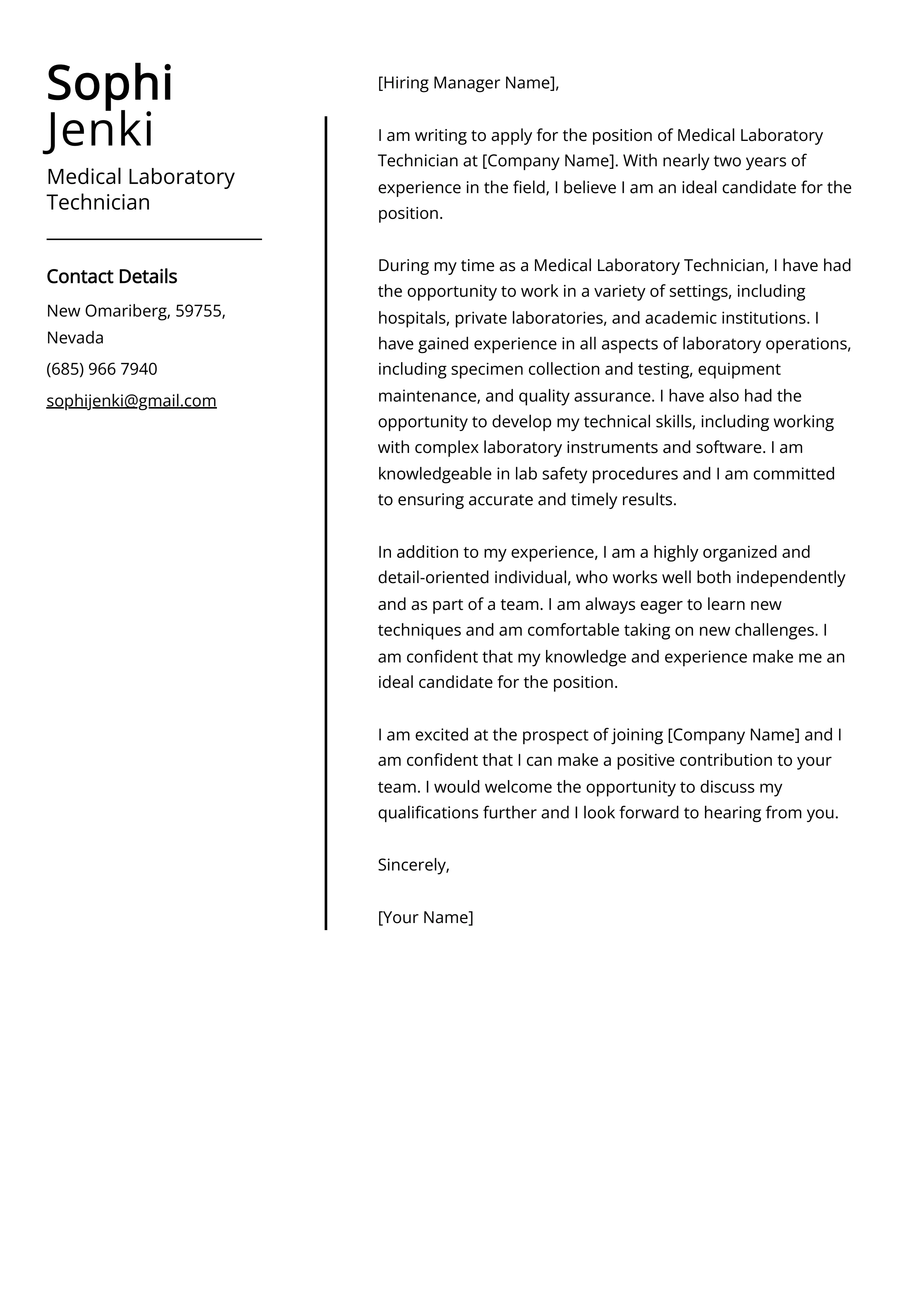
Crafting a Lab Tech Cover Letter Key Elements
A well-crafted lab tech cover letter is your first opportunity to make a positive impression on a potential employer. It’s not just a formality it’s a critical tool for highlighting your skills, experience, and enthusiasm for the position. Your cover letter should complement your resume, providing context and depth that the resume alone cannot convey. Remember that this document should be tailored to the specific lab tech position you are applying for. Generic cover letters rarely stand out; the goal is to demonstrate why you are the ideal candidate, specifically for this job. This initial section sets the stage for the rest of your letter, and if done effectively, it will encourage the hiring manager to read the rest of your application, and ultimately, invite you to interview.
Highlighting Your Skills and Experience
Your cover letter is the perfect place to showcase the skills and experience that make you a great fit for the lab tech position. While your resume provides a comprehensive list, your cover letter allows you to elaborate on your key accomplishments and how they relate to the job requirements. This is the time to delve deeper into specific skills, projects, and achievements that align with the employer’s needs. This could be a good time to showcase your proficiency in using various lab equipment, performing specific tests, or managing data. Don’t just list your skills show how you’ve applied them to achieve positive outcomes in previous roles. Remember, the goal is to not only inform but to persuade the hiring manager that you’re capable of doing the job exceptionally well.
Emphasizing Technical Proficiency

Lab tech roles demand a strong technical foundation. In your cover letter, provide details of your proficiency in specific laboratory techniques and equipment operations. This might include experience with PCR, ELISA, or other specialized assays, along with your expertise in operating microscopes, centrifuges, and other instruments. Mention any certifications, training programs, or specialized skills you have acquired that are relevant to the position. Quantify your achievements whenever possible. Did you improve efficiency, reduce errors, or contribute to research outcomes? Providing concrete examples of your technical abilities will help convince the hiring manager that you have the skills needed to excel in the role. It’s important to keep your tone professional, but also demonstrate that you are excited about using these technical skills within the job.
Showcasing Relevant Experience
The most effective cover letters highlight the relevant experience that directly correlates with the job requirements. If the job description emphasizes specific tasks or responsibilities, ensure your letter mirrors those demands. Outline the experience you have that mirrors those requirements. Highlight projects, positions, or tasks where you applied similar skills or faced similar challenges. For instance, if the role involves data analysis, showcase your experience in data management or statistical analysis. If the job involves working with specific equipment, describe your proficiency with that equipment, including the number of years you have used the equipment. The goal is to demonstrate not only that you’ve done similar work before, but that you have a proven track record of success.
Tailoring Your Letter to the Job Description
One of the most common mistakes is sending out a generic cover letter. Take the time to meticulously review the job description for the lab tech position you are applying for. The details in the job description can serve as a roadmap for your cover letter. Use the keywords from the job description throughout your letter. This shows that you understand the role’s requirements and are addressing them directly. Adapt your letter to the specific needs of each application. This means highlighting the experience, skills, and qualifications that the employer is seeking. By showing this level of attention to detail and demonstrating a genuine interest in the specific position, you significantly increase your chances of getting a positive response.
Matching Skills to Requirements

Carefully compare the skills and qualifications listed in the job description with your own skillset. The best cover letters directly address each requirement, providing evidence that you possess the necessary abilities. For example, if the job requires proficiency in a specific lab technique, describe your experience with that technique, including how often you used it, the types of samples you worked with, and any outcomes you achieved. If teamwork is an important element, include instances in which you effectively collaborated with colleagues or contributed to a team project. By specifically mentioning how your skills match the requirements, you reassure the hiring manager that you are a good fit for the role. Ensure that your cover letter clearly reflects what the company is looking for.
Demonstrating a Passion for the Field
Beyond skills and experience, a cover letter is an excellent opportunity to show your enthusiasm for the field of lab technology. Explain why you are passionate about laboratory work, what motivates you, and what excites you about this specific role or company. Highlight your interest in scientific research, healthcare, or any specific area of lab work that aligns with the job. If possible, show that you have researched the company or laboratory and understand its mission, values, or recent achievements. This kind of preparation demonstrates a proactive approach and shows a genuine interest in the opportunity. A cover letter that shows passion will help you stand out in a sea of applicants. Show that you are not just looking for a job, but that you have found a field that you care deeply about.
Formatting and Presentation Best Practices
A well-formatted and visually appealing cover letter is more likely to capture the hiring manager’s attention. Use a professional font, such as Times New Roman, Arial, or Calibri, with a font size of 11 or 12 points. Maintain a consistent format throughout the document. Use clear headings and subheadings to break up the text, making it easy to read and scan. Aim for a concise and straightforward writing style, avoiding jargon and overly complex sentences. Keep the letter to one page unless otherwise specified. A clean and professional look will help your letter stand out. The layout and appearance communicate that you value professionalism and attention to detail.
Using a Professional Tone

The tone of your cover letter should always be professional. Use formal language, avoid slang or colloquialisms, and maintain a respectful and courteous tone. Be polite, and use professional titles and salutations. Avoid using overly casual language or humor. If possible, address the letter to a specific person, such as the hiring manager or the lab director, as this shows that you are paying attention to detail. A professional tone is essential in maintaining the credibility of your application. Ensure your cover letter reflects the level of professionalism required in a laboratory setting. Avoid any suggestion of being overly casual or informal; instead, demonstrate that you are prepared to meet the expectations of the workplace.
Ensuring Clarity and Conciseness
Clarity and conciseness are key to a successful cover letter. Use clear and straightforward language to convey your message effectively. Avoid rambling or including unnecessary information. The hiring manager is busy, so every word should contribute to your overall message. Keep your sentences and paragraphs short and to the point. Instead of lengthy descriptions, use bullet points or concise phrases to highlight your skills and experience. Be direct in your claims, and make it easy for the reader to understand what you are trying to convey. Concise writing not only saves the reader time but also makes your key points stand out. Demonstrate that you value the hiring manager’s time by providing a clear, easy-to-read cover letter.
Proofreading for Errors
Proofreading is an essential step in writing a lab tech cover letter. Spelling and grammar errors can undermine your professionalism and reduce the credibility of your application. Before submitting your cover letter, carefully read through it to check for any mistakes. Use a spell checker and grammar checker, but do not rely on them entirely. Proofread your letter multiple times, and consider asking a friend or family member to review it as well. It is best to have a fresh pair of eyes to catch any mistakes that you might have missed. A polished and error-free cover letter shows that you pay attention to detail, an important quality for a lab tech role. This can be a good indicator that you can do the job, and that you care enough to put the effort into an application.
Following Up After Submission

After submitting your lab tech cover letter and resume, it’s important to follow up with the hiring manager. This shows your continued interest in the position and reinforces your commitment to the application process. Following up provides an opportunity to reiterate your interest, and it can show your dedication and seriousness about the job. Timely follow-up can set you apart from the competition. While you should not be too aggressive, a polite and timely follow-up demonstrates initiative and professionalism. Remember to follow the guidelines provided by the employer in their job posting. If they specify a preferred way of communication, make sure to respect their instructions.
Contacting the Hiring Manager
A simple email or phone call can be a good way to contact the hiring manager after submitting your application. If an email address or phone number is provided, reach out to the hiring manager within one or two weeks of submitting your application. Be polite and professional in your communication. Reference the position you applied for and reiterate your interest in the role. Keep your message brief, emphasizing your qualifications and expressing your enthusiasm. Ensure that your message is respectful and professional. If you have not heard back, it may be appropriate to follow up again after an additional period of time. Consider whether you should contact the lab, or the hiring manager.
Expressing Continued Interest
In your follow-up communication, take the opportunity to express your continued interest in the lab tech position. Reiterate your qualifications and your passion for the field. Express your interest in the position and highlight how you can contribute to the lab. Reiterate why you are the best person for the job. If there is a particular skill or experience you want to emphasize, use the follow-up as a chance to bring it to the forefront. Make sure that your message reinforces the key points of your cover letter and resume, and that it shows that you are a great fit for the role. The follow-up is a final chance to make a good impression and demonstrate that you are genuinely interested in joining the lab.