Crafting a Compelling Cover Letter
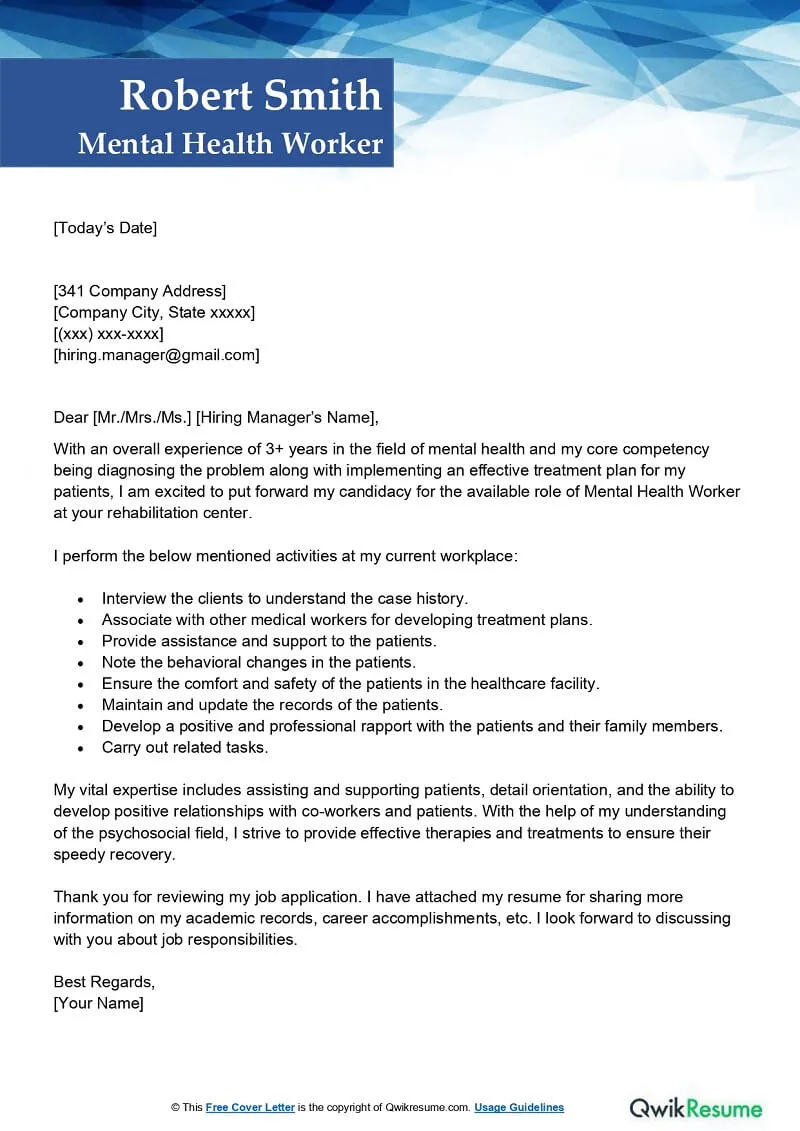
A well-crafted cover letter is your first opportunity to make a strong impression on a potential employer. It serves as a crucial introduction, allowing you to highlight your skills, experience, and passion for the role of a Mental Health Case Manager. Remember that a generic cover letter will likely end up in the rejection pile. Instead, tailor each letter to the specific job and the organization you’re applying to. This demonstrates that you’ve taken the time to understand their needs and are genuinely interested in the position. By clearly and concisely presenting your qualifications, you significantly increase your chances of getting an interview. The cover letter should complement your resume, providing context and showcasing your personality.
Highlighting Your Skills and Experience
Your cover letter should effectively showcase your relevant skills and experience. Begin by identifying the key requirements listed in the job description. Then, provide specific examples from your background that demonstrate you possess these skills. For instance, if the job requires experience with crisis intervention, describe a situation where you successfully managed a crisis and the positive outcome. Similarly, highlight your skills in assessment, care planning, advocacy, and documentation. Use action verbs to describe your accomplishments, such as “coordinated,” “managed,” “assessed,” and “advocated.” Don’t just list your responsibilities; quantify your achievements whenever possible. For example, mention the number of clients you’ve assisted or any improvements you’ve made in client outcomes.
Essential Skills for Mental Health Case Managers

Mental Health Case Managers need a diverse set of skills to succeed. In your cover letter, emphasize your abilities in the following areas. Firstly, strong communication skills are vital for interacting with clients, families, and other professionals. Secondly, demonstrate your ability to assess client needs accurately and develop appropriate care plans. Thirdly, highlight your organizational skills, which are essential for managing multiple cases and documentation. Furthermore, showcase your empathy and ability to build rapport with clients. Also, demonstrate your knowledge of mental health diagnoses, treatment options, and community resources. Finally, mention any training or certifications you hold, such as CPR, First Aid, or specific therapeutic techniques. Showing you possess a mix of these key skills will help you stand out.
Experience in Mental Health Settings
Your experience in mental health settings is a critical element of your cover letter. Detail the types of environments you’ve worked in, such as hospitals, clinics, community centers, or residential facilities. Briefly describe your responsibilities in each role and the client populations you’ve served. Highlight any specialized experience, such as working with specific age groups or populations. For instance, if you have experience with children, adolescents, or individuals with specific disorders (e.g., substance use disorders, PTSD), explicitly mention it. Focus on the aspects of your experience that are most relevant to the job you are applying for. This helps the employer understand your background and assess your suitability for the role. Furthermore, discuss any collaborations with interdisciplinary teams and your role in coordinating care.
Quantifying Your Achievements
Quantifying your achievements makes your cover letter more impactful. Instead of simply stating that you improved client outcomes, provide specific numbers or percentages. For example, you might say, “Increased client adherence to treatment plans by 20%” or “Successfully managed a caseload of 40 clients.” Also, mention any reductions in hospital readmission rates or improvements in client satisfaction scores. Quantifiable achievements demonstrate your effectiveness and the value you bring to the role. This is a powerful way to convince an employer that you are a results-oriented candidate who can positively impact their organization. If you received any awards or recognition for your performance, include this information as well. By using data and metrics, you transform vague claims into compelling evidence of your capabilities.
Demonstrating Your Passion for Mental Health
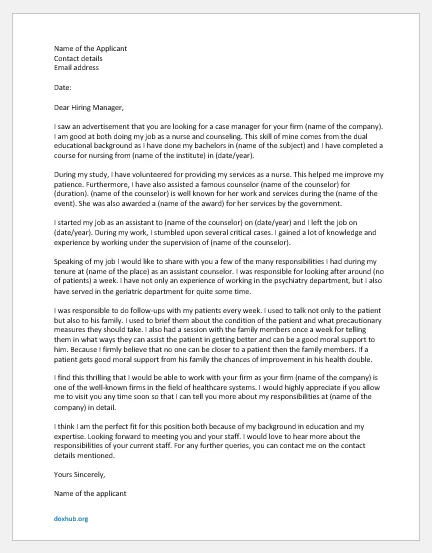
Expressing your passion for mental health is crucial in your cover letter. Employers want to see that you’re genuinely committed to helping others and making a difference. Briefly explain why you chose this field and what motivates you. Share a personal anecdote or a statement that conveys your dedication to improving the lives of individuals with mental health conditions. Showcase your empathy and understanding of the challenges faced by clients. You can talk about your values, your work ethic, and how they align with the organization’s mission. For instance, if the organization emphasizes a specific treatment approach or serves a particular population, tailor your statements to reflect your alignment with these values. Showing genuine enthusiasm will make you a memorable candidate and differentiate you from those who see the job as merely a job.
Formatting and Proofreading Your Cover Letter
The formatting and proofreading of your cover letter are critical. A well-formatted letter is easy to read and visually appealing. Use a professional font, such as Arial or Times New Roman, and ensure your letter is well-spaced. Divide your letter into clear sections with headings to guide the reader. Also, always proofread your cover letter carefully for any grammatical errors or typos. Ask a friend or colleague to review it as well, as a fresh pair of eyes can often catch mistakes you might miss. Proofreading ensures you present yourself as detail-oriented and professional. Also, be consistent in your style; use the same font, font size, and spacing throughout your letter. A polished, error-free cover letter demonstrates respect for the hiring manager’s time and attention to detail.
Key Elements to Include in Your Cover Letter
Include these key elements to make your cover letter effective. Firstly, your contact information at the top of the letter including your name, address, phone number, and email address. Secondly, address the letter to the hiring manager, if possible. If a specific name is not listed, use a generic salutation, such as “Dear Hiring Manager.” Thirdly, state the position you are applying for and where you found the job posting. Fourthly, highlight your most relevant skills and experience. Fifthly, provide specific examples that demonstrate your accomplishments. Finally, express your interest in the position and the organization. Ensure you tailor these elements to fit the specific job requirements and the company culture. This demonstrates you are prepared and understand the role’s needs.
Contact Information and Salutation

Start your cover letter with the correct contact information. At the top left or right corner, include your full name, address, phone number, and professional email address. Ensure that your email address is professional and appropriate for a job application. Following your contact information, include the date and the hiring manager’s name and address, if available. If you don’t know the hiring manager’s name, address the letter to “Dear Hiring Manager” or “Dear [Department Name] Hiring Team.” Make sure your salutation is respectful and formal. Also, keep your contact information clear and easy to read. By including this information upfront, you make it easy for the employer to contact you for an interview. This attention to detail shows that you’re organized and take your application seriously.
Opening and Closing Statements
The opening and closing statements of your cover letter are crucial for setting the tone and leaving a lasting impression. In your opening, state the position you are applying for and briefly explain where you saw the job posting. Then, immediately highlight your key qualifications and express your interest in the position and the organization. In the closing paragraph, reiterate your interest and thank the hiring manager for their time and consideration. You might also mention your availability for an interview. Finally, use a professional closing, such as “Sincerely” or “Best regards.” This section is a great opportunity to express your enthusiasm and make your letter more memorable. Keep both your opening and closing concise, professional, and focused on why you are the right candidate for the job.