Understanding the Military Cover Letter
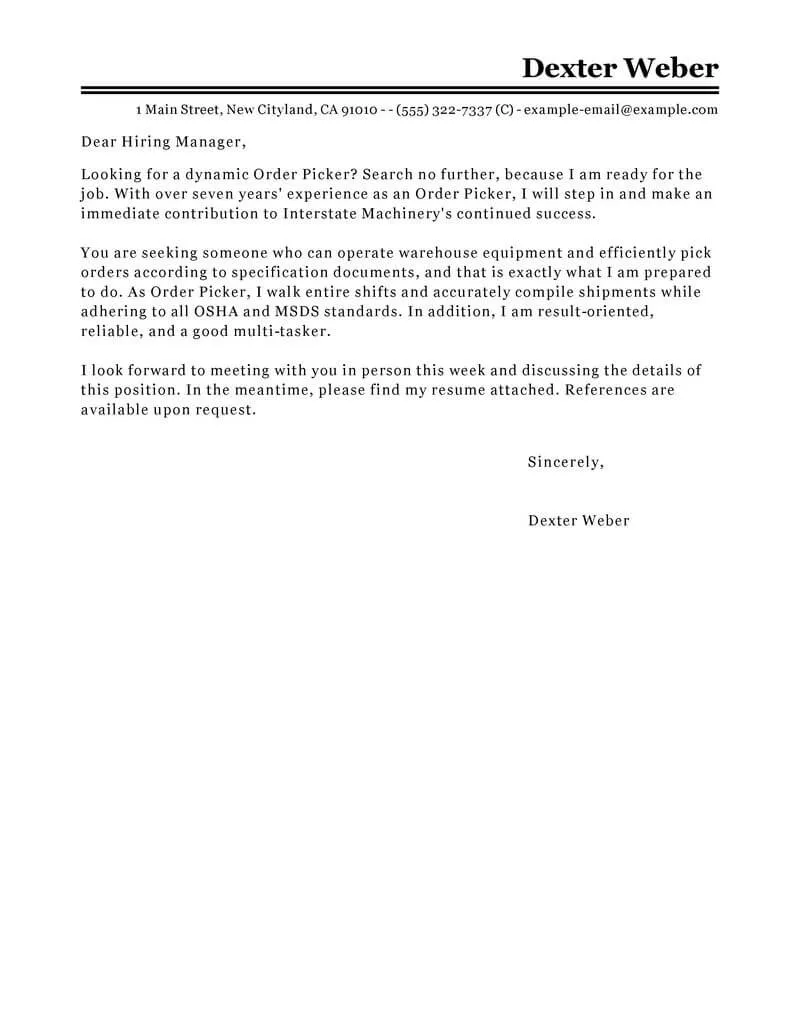
A military cover letter is a crucial document that accompanies your resume when applying for a job. It serves as your introduction to a potential employer, allowing you to showcase your skills, experience, and personality in a way that a resume alone cannot. For veterans and active-duty military personnel, a well-crafted cover letter is particularly important because it helps translate military experience into terms that civilian employers can understand. It provides an opportunity to explain the value you bring to a company and why you are a good fit for the specific role.
Purpose of a Military Cover Letter
The primary purpose of a military cover letter is to get you an interview. It’s your chance to make a strong first impression and persuade the hiring manager to read your resume with interest. The cover letter provides context to your application, highlighting relevant experiences and skills. It should explain how your military background aligns with the job requirements and why you’re the ideal candidate. Furthermore, it demonstrates your communication skills, your ability to express yourself clearly and concisely, and your understanding of the job you’re applying for. A well-written cover letter can set you apart from other applicants, especially if you’re transitioning from a military career.
Key Components of a Successful Military Cover Letter

A successful military cover letter has several key components that work together to create a compelling narrative. This includes a professional header, a personalized salutation, well-structured body paragraphs that highlight relevant experiences and skills, and a strong closing statement. Each section should be carefully crafted to present you in the best possible light. Attention to detail is critical, from the correct use of grammar and punctuation to the overall layout and formatting. The tone should be professional yet engaging, reflecting your personality and enthusiasm for the position.
Header Information
Your header should include your contact information: full name, address, phone number, and professional email address. It is a must to keep it clean and easy to read. If applying online, make sure your contact information is easily accessible. Using a professional email address is very important, avoid using nicknames or unprofessional email addresses. The header should be at the top of the document and formatted in a way that’s both visually appealing and easy to find when the hiring manager needs to contact you.
Salutation
Address the hiring manager by name if possible. Research the company website or LinkedIn to find the correct person. If you can’t find a specific name, use a professional salutation such as “Dear Hiring Manager.” Avoid generic greetings like “To Whom It May Concern,” which shows a lack of effort. Personalization demonstrates that you’ve taken the time to learn about the company and the specific role. This attention to detail can set a positive tone from the beginning.
Body Paragraphs Crafting Your Message

The body of your cover letter is where you showcase your skills and experience. Start by stating the position you’re applying for and how you found it. Use the first paragraph to grab the reader’s attention. In the following paragraphs, highlight relevant experiences and skills, using the job description as your guide. Provide specific examples of your accomplishments, quantifying them whenever possible. These paragraphs should also include what you know about the company and why you want to work there. Tailor your letter to each job application, showing why you are a perfect fit for the role and the company.
Highlighting Military Experience
Focus on your military experience and how it aligns with the job requirements. Describe your roles, responsibilities, and achievements. Translate military jargon into civilian terms. Use action verbs to describe your accomplishments and quantify them whenever possible (e.g., “Managed a team of 10,” “Improved efficiency by 15%”). Highlight leadership roles, teamwork, and any specialized training or certifications you possess. Focus on accomplishments and results.
Translating Military Skills
Military skills translate well to civilian roles. Identify the skills most relevant to the job you’re applying for. For example, leadership skills, communication skills, problem-solving abilities, and project management skills are highly valued. Provide examples of how you have used these skills in the military. Use keywords from the job description to ensure your letter aligns with the employer’s needs. Clearly and concisely describe how your military experience aligns with the requirements of the job.
Demonstrating Leadership and Teamwork
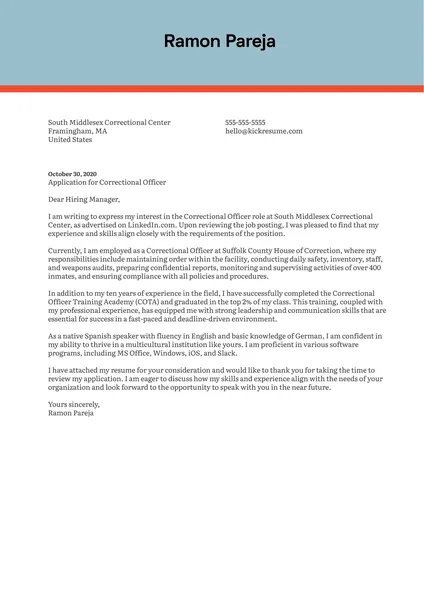
Showcasing leadership and teamwork skills is important. Provide specific examples of how you have led teams, managed projects, and worked collaboratively with others. Describe your ability to motivate and inspire team members. Highlight instances where you successfully resolved conflicts or improved team performance. Give specific examples of how you worked with people from diverse backgrounds to achieve common goals. Provide examples, backed by evidence, to demonstrate how you excel at leadership.
Showcasing Achievements and Awards
Include any awards, commendations, or recognition you have received. Briefly describe the achievements that led to these honors. Quantify your achievements whenever possible (e.g., “Increased sales by 20%,” “Reduced costs by 10%”). These achievements can serve as proof of your capabilities. Make your achievements stand out by highlighting the results and impact you had on your military unit.
Tailoring Your Cover Letter to the Job
Customize your cover letter for each job application. Avoid using a generic cover letter, which is a red flag for employers. Modify the letter to match the specific requirements and expectations of the job. Review the job description carefully and use keywords from the description in your letter. Explain how your skills and experiences align with the job requirements. This shows that you have a strong interest in the position and that you have taken the time to understand what the employer is looking for.
Researching the Company and Position

Before writing your cover letter, research the company and the specific position. Visit the company website, read their mission statement, and learn about their values. Understand the company’s culture and what they are looking for in an employee. Tailor your cover letter to reflect this information. Demonstrate your understanding of the role by highlighting the skills and experiences most relevant to the job. The more you know about the company and the position, the more effective your cover letter will be.
Matching Skills and Requirements
Carefully review the job description to identify the required skills and qualifications. Use the job description as a guide to tailor your cover letter. Highlight your skills and experiences that match the requirements. Provide specific examples of how you have used these skills in the past. Clearly and concisely explain how your military background makes you a strong fit for the position. Show the employer that you not only possess the required skills but also know how to apply them.
The Importance of Proofreading
Proofreading is an essential step in the cover letter writing process. Typos, grammatical errors, and inconsistencies can make your cover letter look unprofessional. Take the time to carefully review your cover letter for any errors. Ask a friend, family member, or career counselor to proofread it for you. A second pair of eyes can catch errors you might have missed. A polished cover letter shows that you pay attention to detail and take pride in your work.
Proofreading Checklist

- Check for spelling and grammar errors
- Verify that your contact information is correct
- Ensure that your formatting is consistent
- Make sure that the tone of your letter is appropriate
- Confirm that your letter is easy to read and understand
- Verify that you have tailored your letter to the job description
Formatting and Layout
The format and layout of your cover letter should be professional and easy to read. Use a clear, concise font and maintain consistent formatting throughout the document. A well-formatted cover letter makes a good first impression. Use clear headings and bullet points to organize your thoughts. Choose a simple, easy-to-read font, like Arial or Times New Roman. The layout should be clean and uncluttered, allowing the hiring manager to quickly find the information they need.
Font and Style
Choose a professional and readable font, such as Arial, Times New Roman, or Calibri. Use a font size between 10 and 12 points. Use bolding and italics sparingly to emphasize key points. Ensure that your text is easy on the eyes and that the font complements the overall look of the document. Maintain consistency throughout the document.
Length and Structure

Keep your cover letter concise, ideally no more than one page. Use a clear and logical structure, with a header, salutation, body paragraphs, and a closing. Divide your cover letter into distinct sections, making it easier for the hiring manager to navigate. Use paragraphs to break up long blocks of text. Your cover letter should be easy to read and provide information in a clear, organized manner.
Avoiding Common Mistakes
Avoid these common mistakes when writing your military cover letter. They can negatively impact your application. Proofread your document and make sure to avoid the following mistakes.
Generic Cover Letters
Avoid using a generic cover letter that is not tailored to the specific job. Tailor your cover letter to each job, highlighting your skills and experiences that match the job requirements. Generic cover letters show a lack of effort and may result in your application being overlooked.
Ignoring Instructions
Always follow the instructions provided in the job posting. If the job posting requests a specific format or asks you to include certain information, make sure to comply. Failure to follow instructions demonstrates a lack of attention to detail. Make sure that you read all instructions carefully and address each of them.
Lack of Specificity
Avoid vague statements and provide specific examples of your accomplishments. Quantify your achievements whenever possible. Use action verbs to describe your accomplishments. The more specific your cover letter is, the more effective it will be. Generic statements do not provide the reader with enough information.
Finalizing and Submitting Your Cover Letter
Before submitting your cover letter, make sure that everything is finalized. Review the final version, save the file, and submit it with your resume.
Saving and Naming Your Document
Save your cover letter with a professional file name that includes your name and the job title. For example, “JohnDoe_CoverLetter_ProjectManager.” Make sure your file name is clear and easy to identify. Use a common file format like PDF to ensure the document is compatible with different systems.
Submitting the Cover Letter with Your Resume
Always submit your cover letter with your resume, unless the job posting specifies otherwise. Follow the instructions provided by the employer when submitting your application. If submitting online, ensure your cover letter and resume are attached correctly. Submitting a cover letter along with your resume provides a more comprehensive view of your qualifications.
In conclusion, a well-crafted military cover letter is a powerful tool for transitioning service members. By understanding the key components, translating military skills, and tailoring your letter to each job, you can significantly increase your chances of landing an interview. Remember to proofread carefully and always submit your cover letter with your resume. By following these guidelines, you can create a cover letter that effectively showcases your unique skills and experience, helping you achieve success in your job search.