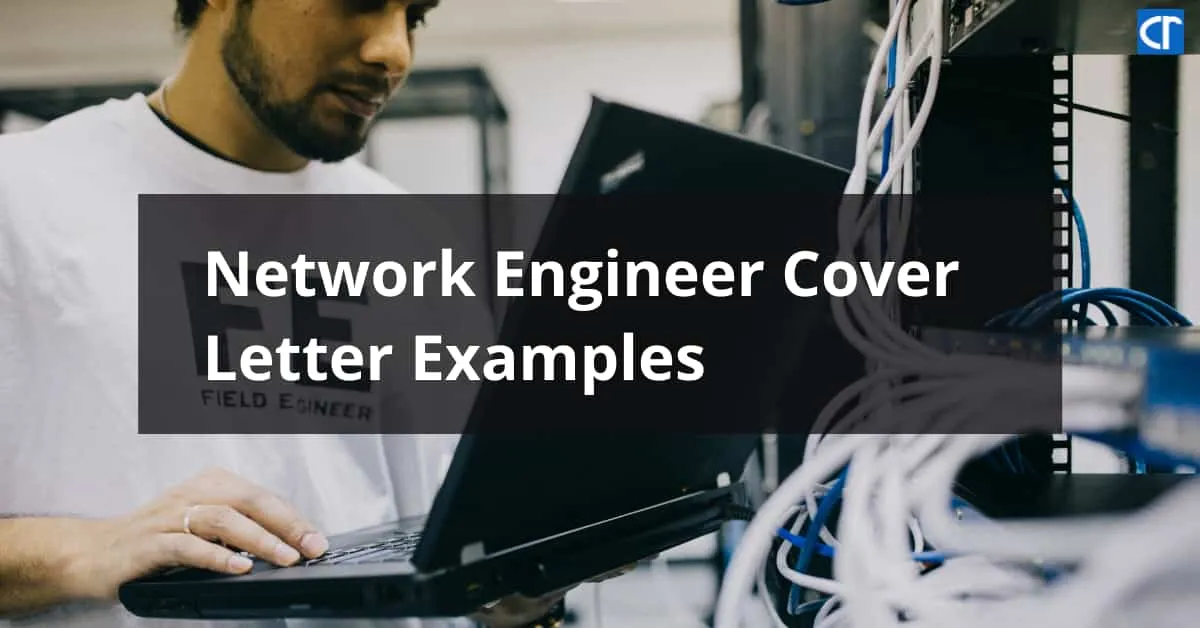
Understanding the Network Engineer Role
A Network Engineer is a critical component in the technological infrastructure of any organization. They are responsible for designing, implementing, maintaining, and troubleshooting computer networks. Their expertise ensures that data flows smoothly and securely, facilitating communication and collaboration within the company and with external entities. A solid understanding of this role is fundamental before crafting a cover letter. Your cover letter should reflect this understanding, demonstrating your awareness of the challenges and responsibilities inherent in the position.
Key Responsibilities of a Network Engineer
Network engineers wear many hats, handling a wide range of tasks. Core responsibilities include network design and implementation, which means planning and building the network infrastructure, including hardware and software components. They also manage and maintain network security, which involves implementing firewalls, intrusion detection systems, and other security measures to protect the network from threats. Furthermore, they perform network troubleshooting to diagnose and resolve connectivity issues, performance bottlenecks, and security breaches, ensuring optimal network performance and availability.
Essential Skills for Network Engineers

To excel, network engineers must possess a diverse skill set. Technical proficiency in areas like routing and switching protocols (e.g., TCP/IP, BGP, OSPF), network security, and network monitoring tools (e.g., SolarWinds, Wireshark) is crucial. Problem-solving abilities are essential for diagnosing and resolving complex network issues, while excellent communication skills are needed to explain technical concepts to non-technical colleagues and stakeholders. Familiarity with cloud technologies (AWS, Azure, GCP) and virtualization is becoming increasingly important.
Crafting Your Network Engineer Cover Letter
Your cover letter is your first chance to make a strong impression. It’s not just a formality; it’s a vital marketing tool that highlights your skills, experience, and enthusiasm for the Network Engineer position. A well-crafted cover letter can significantly increase your chances of securing an interview and ultimately landing your dream job. The goal is to grab the hiring manager’s attention immediately and encourage them to read your resume. Remember, this is your opportunity to showcase your personality and differentiate yourself from other candidates.
Header and Contact Information
Start with a professional header that includes your full name, address, phone number, and email address. Make sure your contact information is accurate and up-to-date. You can also include a link to your LinkedIn profile or online portfolio, if you have one. The header should be neatly formatted and easy to read. Ensure that your email address sounds professional; avoid using nicknames or informal language. Consistency in formatting between your cover letter and resume is also key.
Personalized Salutation

Avoid generic salutations like “To Whom It May Concern.” Instead, research the hiring manager’s name and address your letter to them directly. A personalized salutation demonstrates that you’ve taken the time to learn about the company and the specific job. If you can’t find the hiring manager’s name, try using “Dear Hiring Team” or “Dear [Company Name] Recruiting Manager.” Personalization shows initiative and attention to detail.
Opening Paragraph: Grabbing Attention
Your opening paragraph should immediately grab the reader’s attention. Clearly state the position you’re applying for and where you found the job posting. Briefly mention why you’re interested in the role and the company. Consider using a strong statement about your key skills or a brief anecdote that highlights your relevant experience. The opening should create a compelling narrative that makes the reader want to learn more about you. Avoid generic statements and aim for a concise and engaging introduction.
Highlighting Your Skills and Experience
The body of your cover letter is where you showcase your qualifications. Tailor your letter to the specific requirements of the job description. Highlight the skills and experience that align with the employer’s needs. Use specific examples to illustrate your accomplishments, rather than just listing your responsibilities. Quantify your achievements whenever possible, using metrics to demonstrate the impact of your work. This section is your chance to demonstrate you are the best choice for the role.
Showcasing Relevant Technical Skills

List your technical skills prominently, mirroring the keywords used in the job description. Mention your expertise in networking protocols, hardware, and software. Provide examples of how you’ve utilized these skills in past projects. Be specific, mentioning the technologies you’re proficient with, such as Cisco, Juniper, or specific cloud platforms. Avoid jargon that the hiring manager may not understand, and focus on skills that directly relate to the job requirements.
Quantifying Achievements with Data
Use numbers and data to demonstrate the impact of your work. Instead of saying you “improved network performance,” say you “reduced network latency by 20%” or “increased network uptime by 15%.” Quantifiable achievements add credibility to your claims and provide concrete evidence of your abilities. Use metrics like the number of users supported, the size of networks managed, or the cost savings achieved through your initiatives. When possible, compare your achievements to previous performance to show the improvement.
Demonstrating Your Understanding of the Company
Show that you understand the company’s mission, values, and current projects. Research their website, social media profiles, and recent news articles. Demonstrate your understanding of the company’s industry and its competitive landscape. This demonstrates your genuine interest in the company and that you’ve taken the time to learn about them. Refer to specific projects or initiatives that the company is involved in and explain how your skills and experience can contribute to their success.
Researching the Company and Its Needs

Before you start writing, conduct thorough research on the company and the specific role. Understand their products/services, their culture, and their current challenges. Identify the key responsibilities and requirements outlined in the job description. Look for keywords and phrases used in the job posting and incorporate them into your cover letter. Research the company’s online presence, including their website, LinkedIn page, and recent news articles.
Tailoring Your Letter to the Specific Job
Avoid using a generic cover letter. Tailor each letter to the specific job and company. Address the job requirements directly, highlighting how your skills and experience align with their needs. Use the language and keywords from the job description. Show that you’ve read the job posting carefully and understand what the employer is looking for. Personalize your letter by mentioning specific projects or initiatives that resonate with the company’s mission.
Closing Your Cover Letter
Your closing should reinforce your interest and express your enthusiasm. Reiterate your key qualifications and summarize why you’re the ideal candidate for the role. End with a strong call to action, inviting the hiring manager to contact you for an interview. Proofread the entire letter before submitting it. A professional closing leaves a lasting positive impression on the hiring manager, making you more likely to be called for an interview.
Expressing Enthusiasm and Call to Action

Reiterate your interest in the position and the company. Express your enthusiasm for the opportunity and your belief that you can contribute to their success. End with a clear call to action, such as “I am eager to discuss my qualifications further and welcome the opportunity for an interview.” Provide your contact information one last time and thank the hiring manager for their time and consideration. Make it easy for the hiring manager to take the next step.
Proper Formatting and Proofreading
Ensure your cover letter is properly formatted and free of errors. Use a professional font, such as Times New Roman, Arial, or Calibri, and maintain a consistent font size (11 or 12 points). Use single-spaced lines and one-inch margins. Proofread your letter carefully for any grammatical errors, typos, or formatting issues. Have a friend or colleague review it as well. A polished and error-free cover letter demonstrates professionalism and attention to detail.
Best Practices for Submitting Your Cover Letter
Follow the employer’s instructions for submitting your cover letter and resume. If they request a specific file format, such as PDF, use that format. Pay attention to the file naming convention they prefer. If you’re submitting your application online, ensure your cover letter is properly formatted and easy to read. Adhering to the employer’s submission guidelines demonstrates respect for their process and increases your chances of getting noticed.
Choosing the Right File Format

The preferred file format for a cover letter is typically PDF. This ensures that your formatting remains consistent across different devices and operating systems. Avoid using formats like DOC or DOCX unless specifically requested. A PDF file preserves the layout of your cover letter, making it easier for the hiring manager to read and review. Always save your cover letter with a clear and descriptive file name, such as “[Your Name] - Network Engineer Cover Letter.” (network-engineer-cover-letter-submission)
Following Up After Submission
After submitting your cover letter and resume, it’s acceptable to follow up with the hiring manager, typically within a week or two. Send a brief, polite email thanking them for their time and reiterating your interest in the position. Briefly reference your qualifications and express your eagerness to hear about the next steps in the hiring process. Following up demonstrates your continued interest and initiative. However, avoid excessive follow-up, as this may be perceived as pushy.