Why is a Nonprofit Annual Report Cover Letter Important?
In the realm of nonprofit organizations, the annual report serves as a crucial instrument for communication, transparency, and accountability. Accompanying this report, the cover letter plays an equally pivotal role. It’s not just a formality; it’s the initial point of contact, the first impression, and a vital tool for setting the tone of your entire report. A well-crafted cover letter provides context, highlights key achievements, and sets the stage for a deeper dive into the annual report. It offers an opportunity to connect with stakeholders on a more personal level, conveying the organization’s mission, values, and impact.
Moreover, the cover letter acts as a bridge, connecting the organization’s past accomplishments with its future goals. It acknowledges the support received from donors, volunteers, and partners, while also hinting at upcoming initiatives and plans. In essence, the cover letter serves as a concise, impactful introduction that encourages readers to engage with the full annual report. It’s an indispensable element in fostering trust, building relationships, and driving continued support for the nonprofit’s mission. It’s a chance to thank those who helped make it possible.
What to Include in Your Cover Letter?
A compelling cover letter for your nonprofit’s annual report should be a concise yet informative document. The goal is to capture the reader’s attention and encourage them to read the full report. Include essential elements that showcase your organization’s value and impact.
Highlighting Key Accomplishments

Begin by summarizing the most significant achievements of the year. This could include program successes, the number of beneficiaries served, or any major milestones reached. Use concise language and hard data to demonstrate the tangible impact of your work. For example, mention the successful completion of a project, a rise in volunteer numbers, or significant fundraising gains. Quantifiable results like an increase in service delivery by a certain percentage or an expansion into new communities are very effective.
Showcasing Impact and Achievements
The annual report cover letter should clearly articulate the difference your organization has made in the community or world. Describe the impact your programs have had on those you serve. This could involve improved health outcomes, educational attainment, or environmental conservation efforts. Use specific examples and stories to connect with the reader emotionally and demonstrate the human side of your work. This could be a short anecdote about a person whose life was improved due to your nonprofit.
Expressing Gratitude to Stakeholders
Acknowledge and thank all stakeholders for their contributions. This includes donors, volunteers, staff, board members, and any other partners or supporters. Gratitude fosters loyalty and encourages continued support. Mention specific individuals or groups where possible, personalizing the message. Expressing your appreciation is essential for fostering relationships and ensuring future collaboration. A simple “thank you” goes a long way and it helps the stakeholders feel valued.
Writing a Compelling Opening

The opening paragraph is critical; it’s your chance to immediately grab the reader’s attention. Start with a strong statement that highlights the organization’s mission and the impact of its work. Consider using a compelling statistic or a brief, impactful story to draw the reader in. The opening should set the tone for the rest of the letter and encourage the reader to continue. Avoid generic greetings or overly formal language. Instead, aim for a warm and inviting tone that reflects your organization’s personality.
Addressing the Audience Effectively
Tailor your language to the specific audience. If the cover letter is going to donors, highlight financial accomplishments and the impact of their contributions. For volunteers, emphasize the value of their time and dedication. If the audience includes the general public, focus on the organization’s mission and the community impact. This customized approach will make the letter more relevant and engaging for each recipient. Knowing your audience will allow you to adjust the language to better reach the recipient.
Maintaining a Professional Tone
While it’s important to be personable, maintain a professional tone throughout the cover letter. Use clear, concise language, and avoid jargon or overly technical terms that may confuse the reader. Ensure that the tone aligns with your organization’s branding and values. Proofread the letter carefully to eliminate any errors in grammar or spelling. This will ensure that the organization is viewed as credible and trustworthy.
Closing with a Call to Action

End the letter with a clear call to action. What do you want the reader to do after they finish reading the letter and report? Encourage them to learn more about the organization’s work, consider donating, or volunteer their time. Provide specific instructions, such as visiting your website or contacting a specific person. Make it easy for the reader to take the next step. A strong call to action will drive engagement and support.
Encouraging Further Engagement
Suggest ways the reader can become more involved. This could include subscribing to a newsletter, following your social media accounts, or attending an upcoming event. Make sure to provide links and contact information for easy access. This proactive approach helps build a lasting relationship and fosters ongoing support. Invite the reader to stay connected and participate in future initiatives.
Providing Contact Information
Include the organization’s contact information, such as the website address, phone number, and email address. This makes it easy for readers to reach out with questions or to offer their support. Make sure the contact information is accurate and up-to-date. Consider including a specific contact person for inquiries related to the annual report or general organizational information. This shows accessibility and transparency.
Formatting and Design Tips

A well-designed cover letter enhances readability and professionalism. Consider these tips to ensure your letter looks its best.
Choosing the Right Font
Select a legible and professional font, such as Arial, Times New Roman, or Helvetica. Avoid overly ornate or unusual fonts that might distract the reader. Ensure the font size is comfortable to read, typically between 10 and 12 points. Consistency in font choice throughout the cover letter and annual report enhances readability and professionalism.
Keeping it Concise and Readable
Keep the cover letter brief and to the point. Aim for one page, or two at most. Use short paragraphs, bullet points, and headings to break up the text and make it easier to read. Avoid dense blocks of text, and use white space effectively to improve visual appeal. Remember that the main goal is to encourage the reader to review the report, so prioritize the most important information.
Proofreading for Errors

Thoroughly proofread the cover letter for any errors in grammar, spelling, and punctuation. Errors can undermine your credibility and reflect poorly on the organization. Have another person review the letter as well, as a fresh pair of eyes can often catch mistakes you might miss. Paying attention to detail shows professionalism and respect for your audience.
Examples of Effective Cover Letters
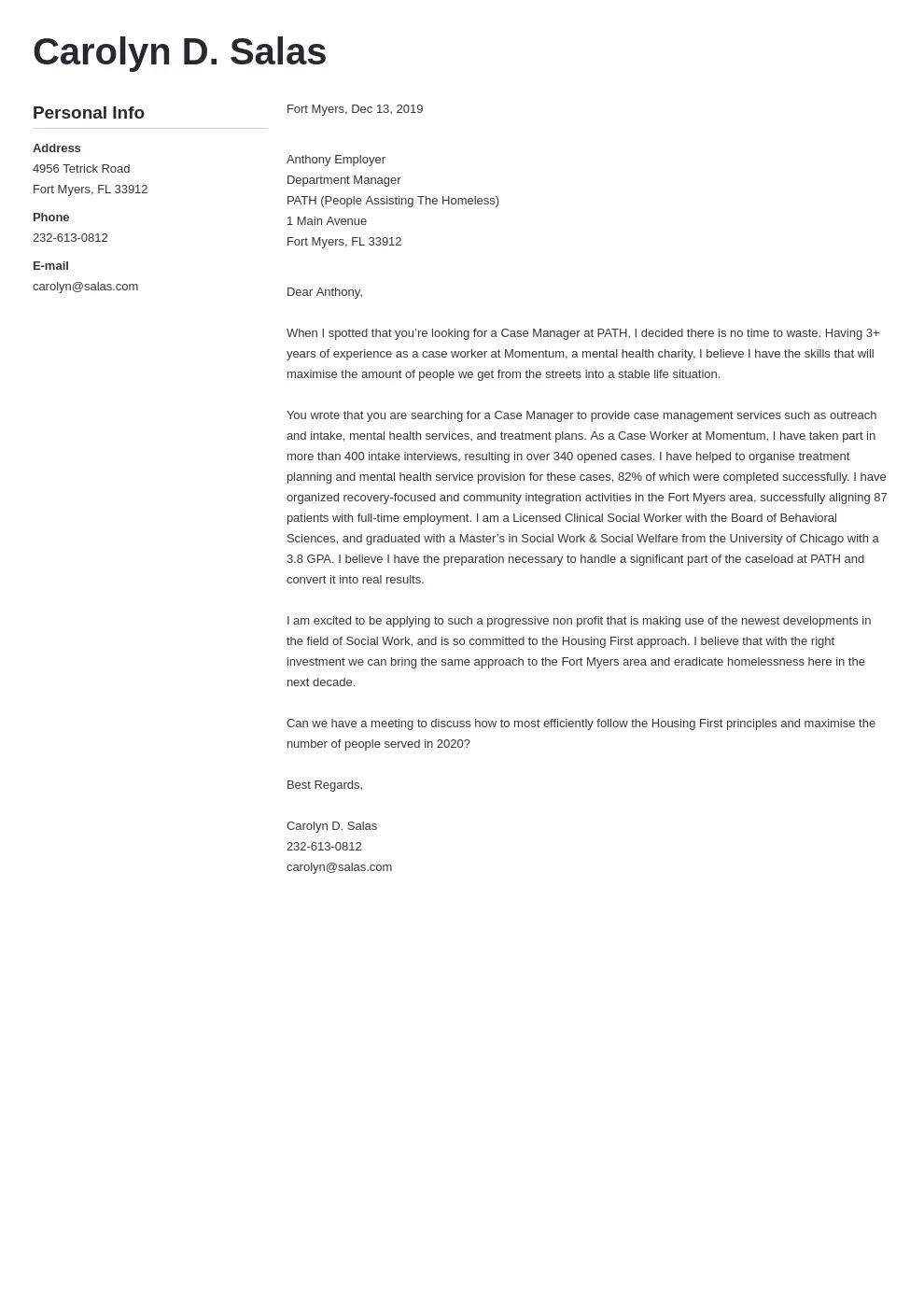
Review examples of successful nonprofit annual report cover letters to gain inspiration and ideas. Look at how other organizations present their accomplishments, express gratitude, and engage their audience. Analyze their layout, tone, and overall approach. Adapt these examples to your organization’s unique voice and mission. Consider the best practices for your specific niche, such as education, health, or environmental causes, and tailor the letter to appeal to your specific target audiences.
By following these tips, your nonprofit can craft a compelling annual report cover letter that effectively communicates your organization’s accomplishments, expresses gratitude, and encourages continued support. Remember that your cover letter is a crucial marketing tool, helping you to further your mission. Implement the best practices, and you’ll have a fantastic annual report that will help your nonprofit.