Crafting a Compelling Nursing Cover Letter
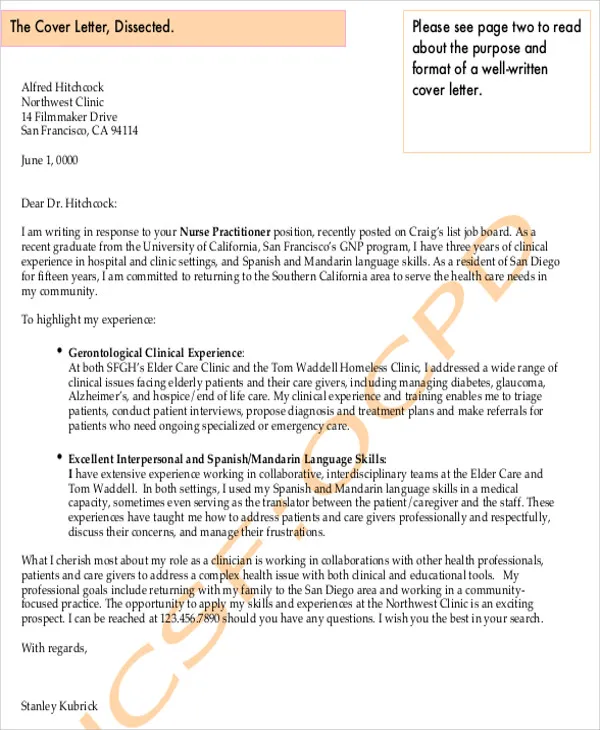
As a new nursing graduate, your cover letter is your first opportunity to make a strong impression on potential employers. It’s more than just a formality; it’s a crucial tool to showcase your skills, experience, and personality. A well-crafted cover letter can significantly increase your chances of landing an interview and ultimately, your dream nursing job. This guide provides actionable tips to help you write a standout cover letter that captures the attention of hiring managers and sets you apart from other applicants. Remember, your cover letter is a marketing document, selling your unique abilities and passion for nursing.
Highlighting Your Nursing Education
Your education is the foundation of your nursing career, and your cover letter should highlight the key aspects of your academic journey. Mention your nursing degree, the institution you attended, and the year of your graduation. If you have a high GPA or received any academic honors, be sure to include those details. Furthermore, consider mentioning any specific coursework or specializations that align with the job you’re applying for, such as critical care, pediatrics, or geriatrics. This demonstrates your knowledge and preparedness for the role. For example, if a position requires experience with electronic health records (EHRs), mention any relevant coursework or projects where you gained that experience. Tailoring this section to the specific requirements of the job is vital.
Showcasing Clinical Experience

Clinical experience is the cornerstone of a successful nursing career, even as a new graduate. In your cover letter, provide details about your clinical rotations, including the settings where you gained experience (e.g., hospitals, clinics, long-term care facilities). Specify the types of patients you cared for and the procedures you performed. Quantify your accomplishments whenever possible; for instance, mention the number of patients you managed or any specific skills you mastered. Did you take the initiative to implement any changes or improvements during your rotations? Highlight those as well. The goal is to demonstrate your practical abilities and the value you can bring to the healthcare team. Focus on the skills and experiences most relevant to the job you are applying for.
Tailoring Your Cover Letter
Generic cover letters rarely impress hiring managers. Take the time to tailor each cover letter to the specific job and employer. Research the healthcare organization and the role thoroughly. Understand the needs and priorities of the hiring manager. Customize your letter by addressing the specific requirements outlined in the job description. Use keywords from the job posting and explain how your skills and experiences align with those requirements. Mention any values or initiatives of the organization that resonate with you. By demonstrating that you’ve done your homework and understand their needs, you’ll significantly increase your chances of making a positive impact. This demonstrates your genuine interest in the position and the company.
Demonstrating Key Nursing Skills
Communication and Interpersonal Skills

Nursing is a profession built on strong communication and interpersonal skills. Highlight your ability to communicate effectively with patients, families, and other healthcare professionals. Provide examples of your ability to actively listen, empathize, and build rapport. Mention any experience you have in conflict resolution or patient education. Detail your ability to work collaboratively as part of a team, sharing information, and contributing to a positive work environment. These skills are crucial for providing excellent patient care and fostering a supportive work environment. Showcase how you handle difficult conversations or how you explain complex medical information in a way patients can understand.
Technical and Clinical Skills
Beyond interpersonal skills, emphasize your technical and clinical competencies. Mention specific skills you have, such as medication administration, wound care, IV insertion, or any specialized procedures. If you are proficient in using electronic health records (EHRs), list the systems you are familiar with. Highlight your ability to assess patients, develop care plans, and implement interventions. Be specific and provide examples. For instance, you might describe a situation where you accurately assessed a patient’s condition, developed a care plan, and implemented appropriate interventions, resulting in a positive outcome. Tailor this to the specific demands of the role, for example, if the role required experience with ventilators, you must highlight this skill.
Emphasizing Relevant Certifications and Licenses
List all relevant certifications and licenses in your cover letter. This includes your RN license (or your expected date of licensure), as well as any other certifications such as BLS (Basic Life Support), ACLS (Advanced Cardiac Life Support), or PALS (Pediatric Advanced Life Support). If you are certified in a specialized area of nursing, such as critical care or emergency nursing, be sure to highlight this. These certifications demonstrate your commitment to professional development and your ability to meet the required standards of care. Include the issuing organization and the expiration date of each certification to show that your credentials are up-to-date. This is especially important as it ensures that you are qualified to perform specific tasks.
Formatting and Presentation Best Practices

Choosing the Right Font and Layout
The appearance of your cover letter can significantly impact its readability and your professional image. Choose a professional and easy-to-read font, such as Times New Roman, Arial, or Calibri, with a font size between 11 and 12 points. Use standard margins (1 inch on all sides) and single-space the text. Keep your paragraphs concise and easy to scan, and use bullet points to highlight key skills and achievements. A well-formatted cover letter is clean, organized, and easy on the eyes. Aim for a letter that is no more than one page in length. Proper formatting makes it easy for the hiring manager to quickly grasp the key points.
Proofreading and Editing Your Cover Letter
Proofreading and editing are critical steps in the cover letter writing process. Errors in grammar, spelling, and punctuation can create a negative impression and undermine your credibility. Before submitting your cover letter, carefully proofread it several times. Use a spell checker and grammar checker, but also read the letter aloud to catch any awkward phrasing or errors that the software might miss. Consider having a friend, family member, or career counselor review your cover letter for feedback. A fresh pair of eyes can often catch mistakes that you might overlook. Ensure that the language is clear, concise, and professional throughout.
Making a Strong First Impression

Opening with Impact
The opening paragraph of your cover letter is your chance to grab the hiring manager’s attention. Instead of starting with a generic greeting, consider opening with a compelling statement that highlights your passion for nursing and your enthusiasm for the specific job. Mention the position you are applying for and where you saw the posting. Briefly summarize your key qualifications and why you are a good fit for the role. For example, you could start by expressing your excitement about the opportunity to contribute your skills and dedication to the organization. A strong opening creates a positive first impression and encourages the reader to continue reading.
Closing with Confidence and a Call to Action
Your closing paragraph should reinforce your interest in the position and include a call to action. Reiterate your enthusiasm and briefly summarize your key qualifications. Express your availability for an interview and provide your contact information. Thank the hiring manager for their time and consideration. End with a professional closing, such as “Sincerely” or “Respectfully.” A confident and well-crafted closing paragraph leaves a lasting positive impression and increases your chances of moving forward in the hiring process. Make it clear that you are eager to discuss your qualifications further and look forward to the opportunity.