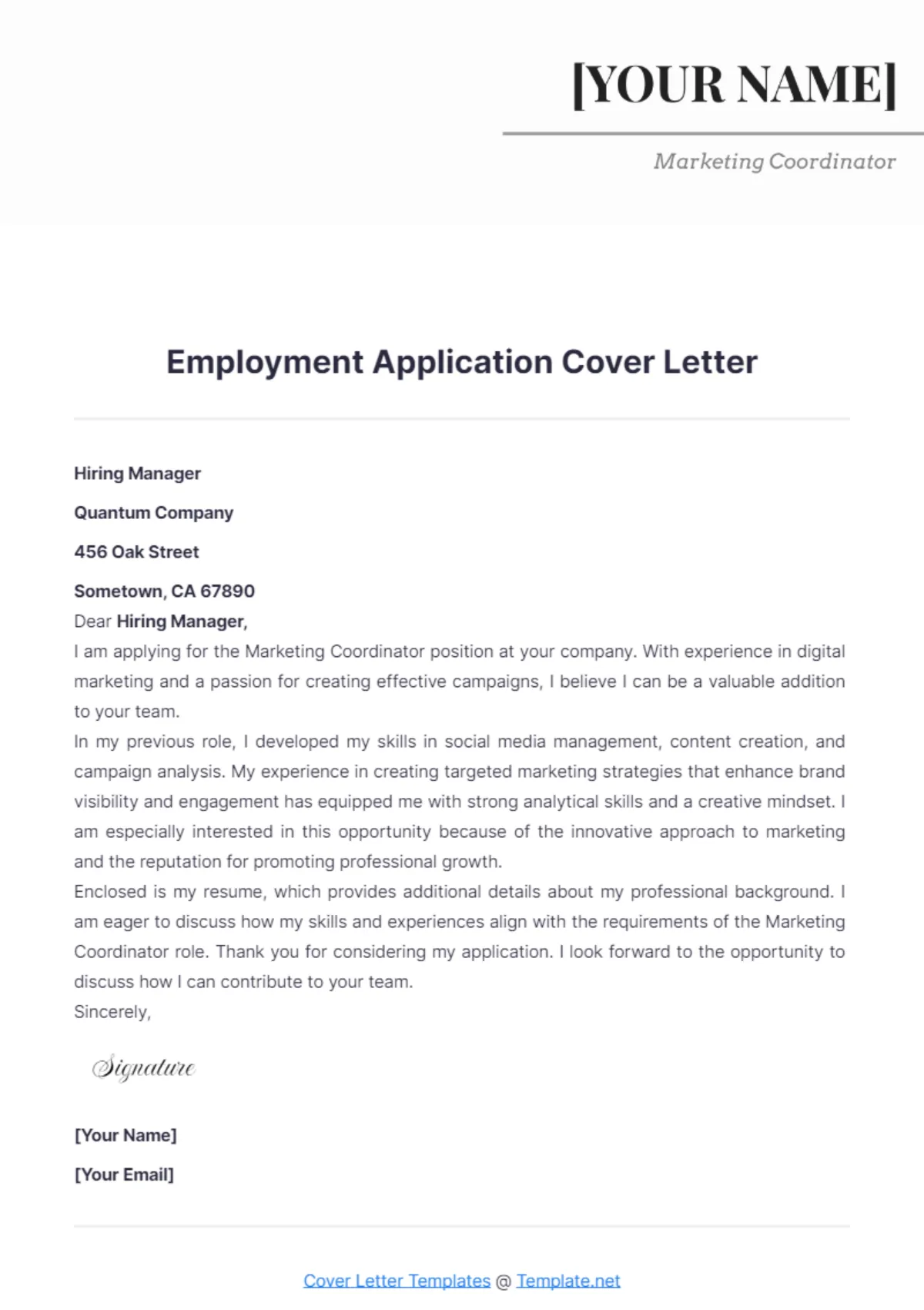
Crafting the Perfect Online Application Cover Letter
In today’s competitive job market, a well-crafted online application cover letter can be your golden ticket to landing an interview. It serves as your first impression, a crucial opportunity to introduce yourself to a potential employer and highlight your suitability for the role. Unlike a resume, which provides a chronological overview of your experience, a cover letter allows you to tell a story, demonstrating your personality, enthusiasm, and specific qualifications that align with the job description. Mastering the art of writing an effective cover letter is essential for anyone navigating the online application process, as it significantly increases your chances of standing out from the crowd and securing that coveted interview. This guide will provide you with the essential strategies and insights you need to craft a winning cover letter that grabs the attention of hiring managers and sets you apart from the competition.
Understanding the Purpose of a Cover Letter
The primary purpose of an online application cover letter is to introduce you and explain why you are the ideal candidate for a specific job. It’s not just a formality; it’s a strategic tool. Your cover letter gives you the opportunity to make a personal connection with the hiring manager, to show them that you understand the company’s needs and that you have the skills and experience to meet them. It allows you to elaborate on key aspects of your resume, providing context and depth that a simple list of accomplishments cannot convey. A well-written cover letter demonstrates your communication skills, your attention to detail, and your genuine interest in the position and the company. Failing to include a cover letter, or submitting a generic one, can be a missed opportunity, signaling a lack of effort or interest. Use this space to demonstrate your value and make a compelling case for why you deserve an interview.
Highlighting Relevant Skills and Experience

Your cover letter is the ideal platform to showcase the skills and experience that are most relevant to the job you are applying for. Start by carefully reviewing the job description, identifying the key requirements, and matching them with your own qualifications. Don’t just list your skills; provide specific examples of how you’ve utilized them to achieve positive results. Use action verbs to describe your accomplishments and quantify your achievements whenever possible. For example, instead of saying “Managed social media,” you could say, “Managed social media campaigns, resulting in a 20% increase in follower engagement and a 15% rise in website traffic.” Tailor your examples to the specific needs of the role, ensuring that your letter clearly demonstrates how your skills and experience align with the employer’s expectations. This targeted approach demonstrates your understanding of the role and your ability to contribute to the company’s success.
Tailoring Your Cover Letter to the Job
One of the biggest mistakes you can make is sending out a generic cover letter. Every cover letter should be customized for each specific job you apply for. This means taking the time to read the job description carefully and adjust your letter to reflect the specific requirements and expectations. Address the letter to the hiring manager by name if possible; it shows that you’ve done your research. Highlight the skills and experiences that are most relevant to the position, and provide specific examples to support your claims. Show that you understand the company’s values, mission, and goals, and explain how your skills and experiences align with them. This level of personalization demonstrates your genuine interest in the opportunity and your commitment to making a meaningful contribution. Tailoring your cover letter is essential for making a strong impression and increasing your chances of securing an interview.
Researching the Company and Position
Before you start writing your cover letter, do your homework. Research the company, its mission, values, and recent news or projects. Understand the role and its responsibilities. This research will enable you to write a more targeted and effective cover letter. Visit the company’s website, read articles about the company, and check out their social media profiles. Look for information about their culture, their values, and their current projects. Use this information to tailor your cover letter, demonstrating your understanding of the company and your genuine interest in the opportunity. Mention specific aspects of the company that resonate with you and explain why you want to contribute to their success. By demonstrating your knowledge of the company and the position, you will make a positive impression and show that you are serious about the opportunity.
Showcasing Your Personality and Enthusiasm

While your cover letter should be professional, it should also reflect your personality and enthusiasm. Let your authentic self shine through by using a clear and engaging writing style. Avoid sounding robotic or overly formal. Share your passion for the industry or the specific role, and explain why you are excited about the opportunity. Show your genuine interest in the company and the position. A little enthusiasm can go a long way in making a positive impression. Your personality can help you connect with the hiring manager and set you apart from other candidates. Don’t be afraid to show your enthusiasm and let your personality shine through, while still maintaining a professional tone and keeping the focus on your skills and experience. Authenticity is key in creating a memorable cover letter.
Writing a Strong Opening
The opening of your cover letter is crucial; it’s your first opportunity to capture the reader’s attention. Start with a strong and compelling hook that immediately grabs the hiring manager’s interest. Avoid generic phrases like “I am writing to express my interest.” Instead, try to personalize your opening. If you know the hiring manager’s name, address them directly. Mention a mutual connection, if applicable. Express your enthusiasm for the specific role or company. Briefly state why you are a good fit for the position. Keep it concise and impactful, aiming to leave a lasting positive impression from the very beginning. Your opening should make the reader want to learn more about you and continue reading your letter.
Why the Opening Matters
The opening of your cover letter sets the tone for the entire document. It’s the gateway to the rest of your letter and has a significant impact on whether the reader will continue reading. A strong opening immediately captures the hiring manager’s attention and encourages them to learn more about you. A weak or generic opening, on the other hand, can cause the reader to lose interest quickly. Your opening should be well-crafted and tailored to the specific job and company. It should demonstrate your understanding of the role, your enthusiasm for the opportunity, and your unique value proposition. Take the time to craft a compelling opening that makes a strong first impression.
Structuring the Body of Your Letter

The body of your cover letter should be organized and easy to read. Use clear and concise language, and break up long blocks of text with paragraphs. Focus on highlighting your most relevant skills and experiences, providing specific examples to demonstrate your achievements. Tailor your content to the job description, addressing the key requirements and expectations. Quantify your accomplishments whenever possible, using numbers and data to showcase your impact. Structure your letter logically, using a clear and concise format, and include a clear call to action at the end. This structure makes the letter easier to follow and helps the hiring manager quickly understand your qualifications and why you are the ideal candidate for the role. Maintain a professional tone and demonstrate your genuine interest in the position.
Quantifying Your Achievements
Whenever possible, quantify your achievements in your cover letter. Using numbers and data helps to demonstrate the impact of your work and provides concrete evidence of your success. Instead of saying “Improved customer satisfaction,” say “Increased customer satisfaction scores by 15% through implementing a new feedback system.” Instead of saying “Managed social media,” say “Managed social media campaigns that increased follower engagement by 20%.” Quantifying your achievements provides a clear and measurable impact, making your accomplishments more compelling. It also demonstrates your ability to analyze data and track your progress. Use numbers to show the results you achieved in previous roles. These kinds of details add significant value to your application.
Closing with Confidence and a Call to Action
Your closing should be confident and leave a lasting positive impression. Reiterate your interest in the position, and briefly summarize your key qualifications. Include a clear call to action, such as requesting an interview or inviting the hiring manager to contact you. Express your gratitude for their time and consideration. Reiterate that you are enthusiastic and confident that you are a great fit. Your closing should be concise, professional, and tailored to the specific job and company. Always thank the hiring manager for their time and consideration. Close with a proactive statement, like inviting them to contact you to discuss how you can contribute to their team. This demonstrates your interest and initiative.
Proofreading and Editing for Perfection

Before submitting your online application cover letter, proofread and edit it carefully. Check for grammar, spelling, punctuation, and formatting errors. Mistakes can create a negative impression and undermine your credibility. Read your letter aloud to catch any awkward phrasing or unclear sentences. Ask a friend or family member to review your letter for feedback. Ensure your letter is free of errors, consistent, and professional. Proofreading helps catch any mistakes you might have overlooked. A polished, error-free cover letter demonstrates your attention to detail and commitment to quality.
Formatting Your Cover Letter for Online Submission
Pay attention to the formatting of your cover letter for online submission. Many online application systems require you to copy and paste your letter into a text box, or upload a document. If you are pasting your letter, ensure the formatting is consistent. Use a professional font, such as Arial or Times New Roman, and use a standard font size. If you are uploading a document, save it as a PDF to ensure that the formatting is preserved. If possible, try to match the format of the other application materials. Make sure it is easily readable on various devices. Check that your name and contact details are clearly visible, and include a professional email address. A well-formatted cover letter shows professionalism and attention to detail, creating a positive first impression.
Best Practices for Online Applications
In addition to crafting a compelling cover letter, there are several best practices to keep in mind when applying for jobs online. Carefully read the job description and follow all instructions. Tailor your resume and cover letter to the specific requirements of each position. Use the right keywords from the job description in your application materials. Submit your application on time, and follow up with the hiring manager, if appropriate. Proofread all materials before submitting. Take the time to do your research, show your personality and enthusiasm, and follow up with the hiring manager to express your continued interest in the role. By implementing these best practices, you’ll significantly improve your chances of getting noticed and landing an interview.