Why a Police Officer Cover Letter Matters
In the competitive field of law enforcement, a well-crafted cover letter is not just a formality; it’s a critical tool that can significantly increase your chances of landing an interview and ultimately, the job. Unlike a resume, which provides a factual overview of your skills and experience, a cover letter allows you to showcase your personality, enthusiasm, and suitability for a specific police officer role. It’s your first opportunity to make a positive impression, demonstrating your communication skills, and articulating why you’re the ideal candidate. A strong cover letter sets the stage for your application, highlighting your unique qualifications and making a compelling case for why you deserve consideration.
Key Components of a Powerful Cover Letter
A powerful cover letter is more than just a regurgitation of your resume; it’s a targeted narrative designed to captivate the reader. It should be tailored to the specific job you’re applying for and the department you’re targeting. This involves meticulous attention to detail, showcasing your ability to communicate effectively, and demonstrating a genuine interest in the position and the organization. The most effective cover letters are concise, professional, and compelling, leaving a lasting impression on the hiring manager. This section will delve into the essential elements that make a cover letter stand out.
Contact Information and Formatting

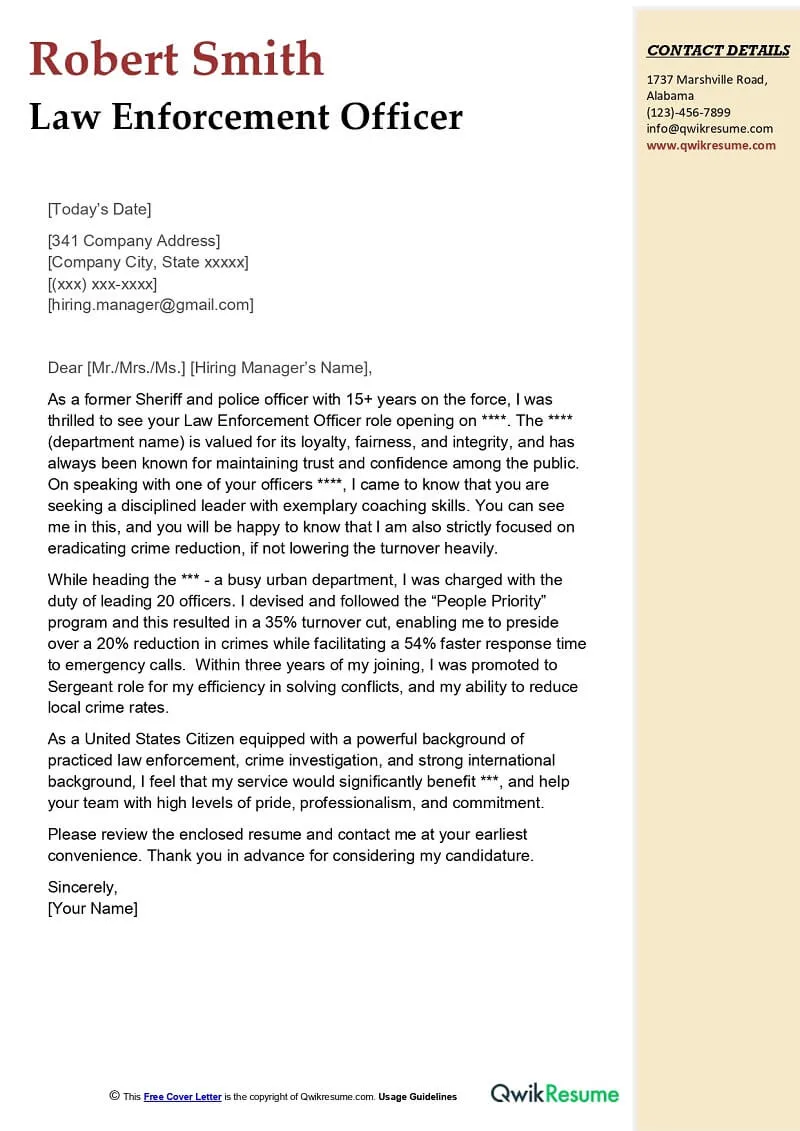
Begin with your contact information at the top of the letter, including your full name, address, phone number, and professional email address. Ensure the formatting is clean and easy to read. Use a professional font like Times New Roman or Arial in a standard size (11 or 12 points). Maintain consistent spacing and use clear headings and paragraphs to break up the text. The letter should be single-spaced with a space between each paragraph. Address the letter to the specific hiring manager, if possible, or use a professional salutation like ‘Dear Hiring Committee.’
Opening Statement that Grabs Attention
The opening paragraph is your hook. It should immediately grab the reader’s attention. Avoid generic phrases like ‘I am writing to express my interest.’ Instead, start with a strong statement that highlights your enthusiasm for the role or the department. You could mention a specific achievement, a relevant skill, or a reason you are drawn to the agency. Make it clear why you’re interested in this particular position and what makes you stand out from the crowd. This initial impression is crucial in setting the tone for the rest of your letter, so make it count.
Highlighting Relevant Skills and Experience
This is where you connect your skills and experiences to the job requirements. Review the job description carefully and identify the key skills and qualifications the department is seeking. Then, provide specific examples from your background that demonstrate you possess these skills. Focus on skills such as communication, problem-solving, teamwork, leadership, and any specialized training or certifications. Use action verbs to describe your accomplishments, making your experience more vivid and engaging. Quantify your achievements whenever possible, such as the number of cases handled or the positive outcomes you achieved.
Emphasizing Achievements and Accomplishments

Don’t just list your responsibilities; emphasize your accomplishments. What did you achieve in your previous roles? How did your actions contribute to the success of the team or organization? Use the STAR method (Situation, Task, Action, Result) to provide detailed examples of your achievements. Describe the situation, the task you were assigned, the actions you took, and the positive results you achieved. This method helps the hiring manager understand your capabilities and how you can bring value to their department. Providing concrete examples makes your application more persuasive and memorable.
Tailoring Your Letter to the Specific Role
Generic cover letters are easily dismissed. Customize your letter for each position and department you apply to. Research the department, its mission, values, and recent activities. Show that you understand the role’s specific requirements and how your skills align with them. Refer to the job description and use keywords from it throughout your letter. Demonstrate your understanding of the challenges and opportunities within the department. This level of personalization shows that you are genuinely interested in the position and have taken the time to understand what the department is looking for.
Demonstrating Knowledge of the Department
Showing that you’ve done your homework on the department is a major plus. Mention specific programs, initiatives, or community outreach efforts that resonate with you. This demonstrates your genuine interest and commitment to the department’s values and goals. Referencing specific details about the department shows that you’re not just looking for any job; you’re specifically interested in this one. This could include mentioning a recent achievement of the department or the impact of a particular program. Showing that you align with the department’s core values can set you apart from other candidates.
Closing the Letter with Confidence

End your cover letter with a confident and professional closing. Reiterate your interest in the position and thank the hiring manager for their time and consideration. State your availability for an interview and how you can be reached. Avoid clichés or overly formal language. Instead, express your enthusiasm and reiterate your belief that you are a strong fit for the role. Include a call to action, such as ‘I am eager to discuss my qualifications further’ or ‘I look forward to hearing from you soon.’
Common Mistakes to Avoid
Even with the best intentions, cover letters can fall flat if they contain common pitfalls. Avoiding these mistakes can significantly improve the impact of your application. This section addresses some of the most frequent errors that can damage your chances of success.
Generic Openings and Lack of Specificity
One of the biggest mistakes is using a generic opening. Phrases like ‘I am writing to express my interest’ are overused and lack impact. Instead, the opening should immediately grab the reader’s attention. Avoid general statements and use specific details about the department or the role. Lack of specificity throughout the letter also weakens your application. Avoid vague statements and provide concrete examples of your skills and accomplishments. Be detailed and provide evidence to support your claims.
Focusing Too Much on the ‘I’
While it’s important to highlight your qualifications, avoid making the entire letter about yourself. A cover letter should demonstrate how your skills and experience can benefit the department. Focus on the value you can bring, not just what you want to gain from the job. Frame your accomplishments and skills in terms of how they align with the department’s goals and needs. This approach shows that you’re a team player and understand the demands of the role.
Ignoring the Job Description
Failing to align your cover letter with the job description is a critical error. The job description is your roadmap; it tells you exactly what the department is looking for. Ignoring these requirements shows that you haven’t taken the time to understand the role. Review the job description carefully and tailor your letter to address the specific skills, experience, and qualifications listed. Use keywords from the description to demonstrate that you meet the requirements. Showing that you’re a good match for the role is essential.
Typos and Grammatical Errors
Typos and grammatical errors are unprofessional and can make a poor first impression. They demonstrate a lack of attention to detail, which is crucial in law enforcement. Always proofread your cover letter multiple times, checking for spelling, grammar, and punctuation errors. Read your letter aloud to catch any awkward phrasing or sentence structure issues. Ask a friend or family member to review your letter to provide a fresh perspective. A polished and error-free letter conveys professionalism and attention to detail.
Formatting and Presentation Blunders

Poor formatting can make your cover letter difficult to read and detract from its content. Ensure your letter is well-organized with clear headings, paragraphs, and spacing. Use a professional font and consistent font size. Avoid using excessive colors, bolding, or italics. Keep the tone professional and the format consistent. A clean and well-formatted letter shows respect for the reader and enhances your chances of making a positive impression.
Proofreading and Editing
The final step before submitting your cover letter is to proofread and edit it meticulously. This is not merely a formality; it is a crucial step in ensuring your application reflects your best self. A flawless cover letter is a testament to your professionalism and attention to detail, qualities highly valued in law enforcement. Dedicate adequate time to proofreading and editing to catch any errors that might undermine your application.
Tools and Techniques for Proofreading
Utilize a range of tools and techniques to ensure your cover letter is error-free. Use a grammar and spell checker; these tools can catch many common mistakes. Read the letter aloud; this technique helps you identify awkward phrasing or sentences that don’t flow smoothly. Check for consistent formatting, including font, spacing, and headings. Make sure all your contact information is accurate and up-to-date. Proofread the letter multiple times, each time focusing on a different aspect – grammar, spelling, punctuation, and content. Don’t rely on one proofreading pass; multiple checks are key.
Seeking Feedback from Others

Ask trusted friends, family members, or career advisors to review your cover letter. Fresh eyes can often spot errors or areas for improvement that you might miss. Their feedback can provide valuable insights into the clarity, tone, and overall effectiveness of your letter. Be open to constructive criticism and incorporate suggestions that will enhance your application. Getting a second (or third) opinion significantly increases the likelihood of a polished and impactful cover letter.