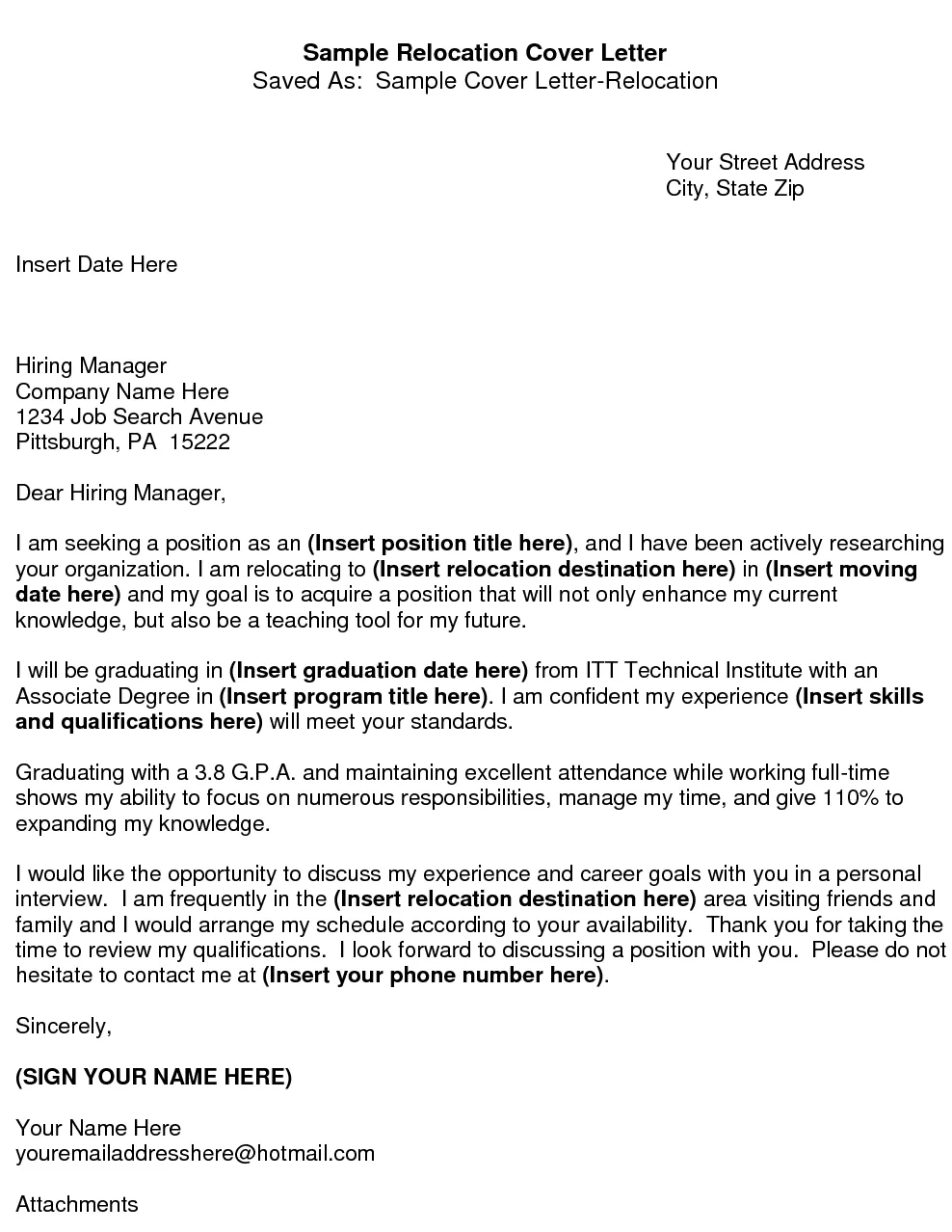
Why You Need a Relocation Cover Letter
Relocating for a job is a significant life event, and a relocation cover letter is your key to unlocking new opportunities. It’s not just about listing your skills and experience; it’s about explaining why you’re the perfect fit for the role and the company, despite the geographical distance. A well-crafted relocation cover letter demonstrates your commitment, adaptability, and enthusiasm. It provides you with an opportunity to address the elephant in the room – your relocation – head-on, showcasing your proactive approach and willingness to go the extra mile. The cover letter allows you to set the tone for your application, signaling to potential employers that you’re serious about the opportunity and have carefully considered the implications of moving for the job. In a competitive job market, a strong relocation cover letter can be the deciding factor that sets you apart from other candidates who might not have considered the extra effort.
Benefits of Using a Relocation Cover Letter Template
Using a relocation cover letter template offers a multitude of benefits, especially when you’re already juggling the complexities of a job search and potential move. First, templates provide a structured framework. They help you organize your thoughts and ensure you cover all the essential elements. This structure saves you time and ensures you don’t miss crucial information like your contact details, skills, and reasons for relocating. Templates also provide a professional starting point. They’re often designed by career experts, ensuring a polished and professional appearance. This helps make a positive first impression on potential employers. Moreover, templates are particularly useful if you’re unsure where to begin. They give you a clear roadmap and help you understand the appropriate tone and content for your letter, ultimately increasing your chances of landing an interview. Using a free template is also cost-effective, making it accessible to anyone looking for a job.
Where To Find Free Relocation Cover Letter Templates

Finding high-quality, free relocation cover letter templates is easier than ever. Numerous websites and resources offer a wide selection designed to cater to various industries and experience levels. These platforms provide templates in different formats, such as Microsoft Word (.docx), Google Docs, and sometimes even PDF. This flexibility allows you to choose the template that best suits your editing preferences. Many career websites, job boards, and professional networking sites offer free templates as part of their resource libraries. Some companies specializing in resume and cover letter creation also provide free templates as a way to attract potential customers. Searching online using keywords like “free relocation cover letter templates” or “relocation cover letter examples” is a quick way to discover these resources. Remember to review the terms of use before downloading and customizing any template to ensure you’re comfortable with the permissions.
Top Websites to Get Free Templates
Here are a few top websites that offer a wide range of free relocation cover letter templates, providing excellent starting points for your job applications. Websites such as Indeed offer an extensive library of cover letter templates. They usually allow you to customize the templates directly on their platform. Similarly, Resume.com and Zety provide various templates in different formats, often with helpful writing guides and suggestions to assist you in customizing your letter. LinkedIn often has resources as well, especially through LinkedIn Learning or various career groups. These templates are great for finding examples and inspiration. Remember to adapt the templates to your specific needs, tailoring them to highlight your unique skills and explain your reasons for relocation. The key is to find a template that matches your style and preferences and then personalize it to showcase your strengths.
Template 1
This template focuses on a more traditional approach, emphasizing your professional experience and skills. It’s suitable for experienced professionals who want to showcase a solid work history and demonstrate how their past roles align with the new opportunity. The structure usually begins with a formal greeting, followed by an introduction stating the role you’re applying for and your interest in the company. The body of the letter should then highlight your relevant skills and experience. Be sure to quantify your accomplishments and explain how your contributions have benefited previous employers. Briefly, explain your reasons for relocation, emphasizing your eagerness to join the new company. End the letter with a professional closing and a call to action, expressing your availability for an interview and thanking the hiring manager for their time.
Template 2

This template is perfect for highlighting your skills and enthusiasm for the new location and job. This template is useful for those who are changing careers or have less experience. It is structured to spotlight your key skills and the value you bring. Begin with a compelling introduction to grab the reader’s attention and highlight your excitement about the role. Then, delve into your skills, providing examples of how they align with the job requirements. Be sure to showcase your willingness to adapt and learn, which are key qualities. Mention your relocation plans with enthusiasm, showing your dedication. Close your letter with a confident statement, emphasizing your readiness to make a smooth transition and contribute to the company’s success. Tailor this template to the company’s culture to demonstrate your commitment.
Template 3
This template is designed for those who want to tell their story in a more personal way, emphasizing your personal journey and the reasons behind your relocation. This template’s structure starts with a strong opening, perhaps sharing a brief anecdote about why you’re drawn to the location. Then, connect your story to your professional background, highlighting skills relevant to the job. Clearly and honestly explain your decision to relocate and your excitement about the opportunity. Show your personal brand by mentioning your understanding of the company’s values and how you will contribute. End the letter with a memorable closing statement that reiterates your enthusiasm and readiness to make a smooth transition. This template will make you more personable and help you stand out from other candidates, showcasing your personality and dedication to the company.
How to Customize Your Relocation Cover Letter
Customizing a relocation cover letter is crucial to making it stand out. The goal is to transform a generic template into a personalized reflection of your unique qualifications and your genuine interest in the specific role and company. Start by thoroughly reviewing the job description. Identify the key skills, experiences, and qualities the employer seeks. Next, align your skills and experiences with the job requirements. Don’t just list your skills; provide specific examples of how you’ve demonstrated those skills in the past and how you can apply them to the new role. Also, research the company. Understand their mission, values, and recent achievements. This research will allow you to tailor your letter to demonstrate your understanding of the company’s culture and your genuine interest in joining their team. This level of personalization shows that you’ve taken the time and effort to understand the company and are genuinely interested in the opportunity. The image will show a person working and personalizing the cover letter.
Personalizing Your Cover Letter

Personalizing your cover letter is essential for making a lasting impression. Focus on highlighting your unique skills, experiences, and the value you bring to the table. Avoid generic statements, and instead, provide specific examples that demonstrate your abilities and accomplishments. Quantify your achievements whenever possible. Instead of saying “Managed projects,” you might say “Managed projects, resulting in a 15% reduction in project costs and a 10% improvement in on-time project delivery.” Tailor your letter to align with the job requirements. Use keywords from the job description throughout your letter, showing the hiring manager that you’re a perfect fit for the role. Research the company culture and values. Show that you understand their mission and values. Demonstrate your enthusiasm by using a confident tone and expressing genuine excitement about the opportunity. Personalization makes your letter memorable and showcases your commitment to the job.
Tailoring Your Letter to the Job
Tailoring your relocation cover letter to the specific job is a critical step in the application process. Carefully analyze the job description and identify the key skills and qualifications the employer is looking for. This involves looking beyond the surface-level requirements and understanding the underlying needs of the role. Next, highlight the skills and experiences that directly align with those requirements. Provide specific examples and quantifiable results to demonstrate your accomplishments. For example, if the job description emphasizes project management skills, you can mention successful projects you’ve led, detailing the outcomes and contributions. When tailoring your letter, use keywords from the job description throughout your letter. This not only helps the hiring manager quickly see that you’re a good fit but also ensures that your application passes through applicant tracking systems (ATS). Show that you understand the company’s needs and how you can contribute. This approach demonstrates that you’ve taken the time to understand the role and are serious about the opportunity, increasing your chances of getting an interview.
Key Elements to Include in Your Cover Letter
There are several key elements to include in a relocation cover letter to make it effective. Start with your contact information. Include your name, phone number, email address, and LinkedIn profile URL. Then, write a strong opening statement. Immediately grab the reader’s attention by stating the position you’re applying for and expressing your enthusiasm for the opportunity. Highlight your relevant skills. Showcase your skills and experiences that directly align with the job requirements. Back up your claims with specific examples and quantifiable achievements. Explain your reasons for relocation. Clearly and concisely explain why you are moving to the new location. Emphasize your eagerness to join the company and your commitment to making a smooth transition. Demonstrate your enthusiasm. Show genuine excitement about the role and the company. Lastly, end with a professional closing and call to action. Thank the hiring manager for their time and consideration, and express your availability for an interview.
Your Contact Information

Your contact information should be prominently displayed at the top of your cover letter. It’s crucial that this information is accurate and easy to find, ensuring that the hiring manager can easily reach you. Include your full name, phone number, email address, and LinkedIn profile URL. Make sure your email address sounds professional and is appropriate for a job application. Double-check the phone number to ensure it is correct and that your voicemail is set up professionally. Your LinkedIn profile URL provides additional information about your professional background and is a great way to give the hiring manager a deeper understanding of your skills and experience. Ensuring that your contact information is accurate and easily accessible is the first step in making a positive impression and increases your chances of being contacted for an interview. Therefore, take the time to review and verify all contact details before submitting your cover letter.
A Strong Opening Statement
A strong opening statement is critical for immediately capturing the hiring manager’s attention. Your introduction should immediately state the position you’re applying for and express your enthusiasm for the opportunity. Avoid generic openings. Instead, tailor your introduction to the specific job and company. You can start by mentioning the role you’re applying for. For instance, “I am writing to express my interest in the Marketing Manager position.” Briefly state why you are interested in the position or the company. Perhaps mention something that attracted you to the role or the company. For example, “I was particularly drawn to your company’s innovative approach to…” Show genuine enthusiasm. Express your eagerness to contribute to the company’s success. This opening sets a positive tone and encourages the reader to learn more about your qualifications. The image shows a person typing and a lightbulb above the head.
Highlighting Your Relevant Skills
Highlighting your relevant skills is one of the most important parts of your cover letter. This is your chance to showcase your abilities and demonstrate why you’re the perfect fit for the job. Review the job description carefully, identifying the key skills and requirements. Then, align your skills and experiences with these requirements. Don’t just list your skills; provide specific examples of how you’ve demonstrated those skills in the past. This is an excellent opportunity to show off your skills with the use of action verbs, so think about what you actually did, and showcase it. Quantify your achievements. Use numbers and data to illustrate the impact of your contributions. For example, instead of saying “Improved customer service,” you could say “Improved customer service scores by 15%.” Tailor your skills section to each job. Don’t use a generic list; instead, tailor your letter to show how your skills and experience match the employer’s needs.
Explaining Your Reasons for Relocation

When writing a relocation cover letter, explaining your reasons for relocating is very important. Be honest and transparent about your reasons for moving to the new location. Provide a clear and concise explanation without going into excessive detail. You can keep it simple by stating that you are relocating for family reasons, to pursue new career opportunities, or because you are simply excited about the opportunity to live in a new location. Demonstrate your commitment and eagerness. Reassure the employer that you are committed to making a smooth transition. Show your enthusiasm for the role and the company. Emphasize your ability to relocate quickly and efficiently. If you already have a plan in place, mention it. Focus on the positives. Frame your relocation as a positive step and highlight the benefits it brings to both you and the employer. Your relocation shouldn’t be a concern for the employer. The image shows a person looking out the window and seeing an opportunity.
Demonstrating Your Enthusiasm
Demonstrating enthusiasm is crucial for leaving a positive impression on the hiring manager. Express your excitement about the role and the company. Share your genuine interest in the opportunity, and explain why you are motivated to join their team. Research the company beforehand. Mention something specific that excites you about their mission, values, or recent accomplishments. Tailor your cover letter to match the company’s culture and values. Show how your skills and experiences align with the company’s goals. Use a confident and positive tone throughout your letter. Avoid sounding overly formal or passive; instead, convey your eagerness to contribute and make a difference. Your enthusiasm should shine through your writing, making you a memorable and appealing candidate. An image of a lightbulb will reflect the value of enthusiasm in the workplace.
Professional Closing and Call to Action
The closing paragraph is your final opportunity to make a lasting impression. Thank the hiring manager for their time and consideration. Express your gratitude for the opportunity to be considered for the position. Reiterate your interest in the role and the company. Show your enthusiasm one last time. Include a clear call to action. State your availability for an interview and how they can contact you. You can say something like, “I am available for an interview at your earliest convenience. You can reach me at [phone number] or [email address].” End with a professional closing. Use a professional closing such as “Sincerely,” “Best regards,” or “Yours sincerely,” followed by your full name. Proofread your letter carefully before sending it. Make sure there are no typos or grammatical errors. Your closing paragraph should be professional, enthusiastic, and action-oriented.
Common Mistakes to Avoid in Your Cover Letter

Avoid these common mistakes to ensure your cover letter makes a positive impression. Don’t use generic templates. Instead, personalize your letter to match the job requirements and the company. Don’t ignore the job description. Tailor your letter to address the specific requirements, skills, and keywords. Don’t use generic templates, and instead, customize your letter to match each job. Avoid grammatical errors and typos. Always proofread your letter carefully before submitting it. It’s important to carefully review your writing to avoid making a negative impression. Don’t overlook the importance of formatting. Ensure your letter is easy to read with clear headings, bullet points, and proper spacing. Avoid long paragraphs. Keep your writing concise and easy to read. These mistakes can damage your chances of getting an interview.
Using Generic Templates
Using generic templates without customization is a common mistake that can undermine your application. These templates lack personality and fail to highlight your unique skills and experiences. Hiring managers want to see that you have taken the time to understand their needs and that you are genuinely interested in the role and the company. When you use a generic template, you risk appearing like a mass applicant. Make sure to tailor your cover letter to the job and the company. This is a great way to make sure that the hiring manager knows that you have taken the time to learn about the company. Always tailor your letter. Show how your skills and experiences align with the job requirements. The image shows a generic person next to a personalized person.
Ignoring the Job Description
Ignoring the job description is a crucial mistake that can significantly reduce your chances of landing an interview. The job description is a roadmap for the hiring manager’s needs and expectations. It outlines the essential skills, experience, and qualifications they are seeking in a candidate. If your cover letter does not address these requirements, the hiring manager will likely assume you are not a good fit for the role. Carefully review the job description before writing your letter. Identify the key skills, experiences, and keywords that are mentioned. Tailor your letter to match these requirements. Highlight the skills and experiences that align with the job description. Make sure you also use relevant keywords from the job description to signal to the hiring manager that you are a strong match. When tailoring, always show you’re the best fit.
Grammatical Errors and Typos
Grammatical errors and typos can have a negative impact. Always proofread your cover letter carefully before submitting it. This means reading your cover letter multiple times. It also means checking for any grammar and spelling mistakes. Consider asking someone else to proofread your letter. A fresh pair of eyes can often catch mistakes you might miss. Ensure your cover letter is clear, concise, and well-written. Proofreading makes a big difference. Take the time to proofread, and you will make sure the hiring manager is more interested. This is very important since a lot of people might skip this step.
Overlooking the Importance of Formatting
Overlooking the importance of formatting is a common mistake that can make your cover letter appear unprofessional and difficult to read. A well-formatted cover letter is essential for creating a positive first impression. Use a clean and professional font, such as Times New Roman, Arial, or Calibri. Make sure that your font size is easy to read. Use a consistent font size of 11 or 12 points. Use headings, bullet points, and adequate spacing to break up the text. This makes it easy for the reader to scan your cover letter. Keep your paragraphs concise, and avoid long blocks of text. Properly formatted cover letters are easy to read, enhancing your chances of making a positive impression. The image shows a well-formatted cover letter on a computer screen.
Tips for Writing a Compelling Cover Letter
To write a compelling cover letter that grabs the hiring manager’s attention, consider these tips. Showcasing your research on the company is a great place to start. Researching the company shows your genuine interest in the role and the organization. Quantify your achievements by using numbers and data. Don’t just say you improved something; give specific figures that show the impact of your contributions. Proofread your letter, ensuring that there are no grammatical errors or typos. Proofreading is crucial for maintaining professionalism. Lastly, tailor your letter to each job. Use keywords from the job description and show how your skills and experience align with their needs.
Showcasing Your Research on the Company
Showcasing your research on the company is a crucial step to make your cover letter stand out. Hiring managers appreciate candidates who have taken the time to learn about the company. Start by researching the company’s mission, values, and culture. This information is often found on their website. Identify any recent news or accomplishments that are of interest. Mentioning these details shows that you are genuinely interested in the company. Also, highlight how your skills and experience align with the company’s goals. Tailor your letter to fit the specific company. Researching a company shows that you are interested, and will make a bigger impression.
Quantifying Your Achievements
Quantifying your achievements is a powerful way to demonstrate your value. It transforms generic statements into concrete proof of your abilities and accomplishments. Whenever possible, use numbers, data, and specific metrics to illustrate the impact of your work. For example, instead of saying “Improved customer satisfaction,” you could say “Improved customer satisfaction scores by 15%.” The same goes for any aspect of work, such as, sales, quality control, or production. Quantifying your achievements makes your cover letter more compelling and allows the hiring manager to quickly understand the value you bring to the table. Showing the hiring manager that you have experience is important, so using numbers is a fantastic way to do that.
Proofreading Your Letter
Proofreading your cover letter is a crucial step in the application process. This ensures that your cover letter is free from errors and presents you in the best possible light. Start by reading your cover letter multiple times. Pay close attention to spelling, grammar, punctuation, and sentence structure. Consider reading your cover letter aloud. This can help you catch awkward phrasing or sentences that don’t flow well. Consider having someone else proofread your letter. Ask a friend, family member, or career counselor to review your letter. They can often catch mistakes that you might miss. Proofreading will make a huge difference in the impression that you will be giving to the hiring manager.
Relocation Cover Letter Template Examples
Reviewing relocation cover letter examples can provide valuable inspiration and guidance. These examples offer insights into how to structure your letter, what content to include, and how to effectively communicate your reasons for relocating. Look for examples that align with your industry, experience level, and the specific type of role you are targeting. Pay attention to how the candidates highlight their skills, explain their relocation plans, and express their enthusiasm for the opportunity. Tailor the examples to your own needs and situation. Remember, the goal is to create a personalized and compelling cover letter that showcases your unique qualifications and your interest in the specific role and company. Cover letter examples will also give you a sense of tone and writing style.
Example 1 Focus on Skills
This example focuses on highlighting the skills and experiences that are most relevant to the job requirements. It clearly states the position you are applying for and the company name. Then, it directly addresses the skills mentioned in the job description, providing specific examples of how your skills have been used to achieve measurable results in previous roles. The body of the letter focuses on the key skills and the value you bring to the table. Then, the candidate should state their enthusiasm for the opportunity and demonstrate a commitment to the company’s goals. Finally, explain their relocation plans with the necessary information. Make sure to include a strong closing statement that reiterates your interest in the role and your availability for an interview.
Example 2 Focus on Experience
This example is designed to show off a person’s work history. Start by introducing yourself, including a brief overview of your career. Then, showcase your relevant experiences. This means providing detailed accounts of your previous roles. This will give the hiring manager a view of your ability to do the job. Include any achievements, such as promotions or awards. Quantify your accomplishments. Use data and metrics to illustrate the impact of your work. Demonstrate how your experience aligns with the job requirements. Mention the steps you have taken to make the transition to the new location. Also show the employer your interest and enthusiasm for the new location.
Example 3 Focus on Enthusiasm
This example focuses on highlighting your enthusiasm for the role and company. Start with a compelling opening that grabs the reader’s attention. Express your excitement about the opportunity and the company. Then, provide a brief overview of your relevant skills and experiences. Emphasize the aspects of the role that excite you and express your willingness to contribute to the company’s success. Highlight your understanding of the company’s mission, values, and recent achievements. Convey your interest and enthusiasm by focusing on what attracted you to the company. Reiterate your enthusiasm and express your readiness to make a smooth transition. Show the employer that you are genuinely interested in joining their team.
Conclusion
Writing a compelling relocation cover letter requires careful planning, personalization, and attention to detail. By using free templates, customizing your letter, and avoiding common mistakes, you can significantly increase your chances of making a positive impression on potential employers. Remember to highlight your relevant skills, explain your reasons for relocating, and demonstrate your enthusiasm for the role and the company. By following these guidelines, you can create a cover letter that showcases your qualifications, expresses your commitment, and helps you land your dream job in a new location. Good luck with your job search! A good looking cover letter can make a huge difference in getting hired.