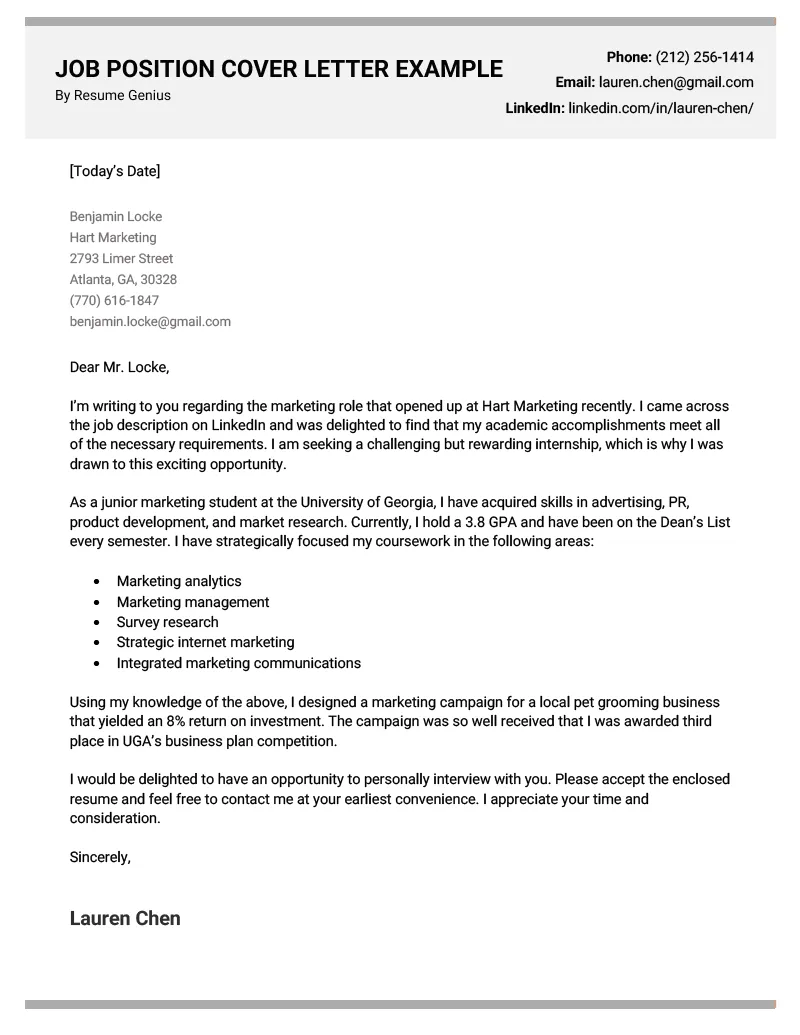
What is a Scientific Report Cover Letter
A scientific report cover letter is a concise document accompanying a scientific report. Its primary function is to introduce the report to the recipient, providing context, highlighting key findings, and summarizing the report’s purpose. It serves as a formal introduction, enabling the recipient to quickly grasp the report’s significance and decide whether to delve deeper. The cover letter ensures clarity and professionalism in presenting scientific research. It is a vital element in conveying the importance and credibility of the report, especially in academic or professional settings. Its well-structured nature facilitates efficient communication, aiding in the effective dissemination of scientific information.
Importance of a Report Cover Letter
The importance of a report cover letter lies in its ability to set the stage for the scientific report. It provides crucial context, helping the reader understand the report’s relevance and purpose. A well-crafted cover letter grabs attention and encourages the recipient to engage with the report. It communicates the significance of the work, highlighting key findings and their implications. Additionally, it reflects professionalism and attention to detail. It shows the author’s respect for the recipient’s time. The cover letter acts as a marketing tool for the report, summarizing its contents and encouraging a more thorough review. Without a cover letter, the reader may not fully grasp the importance of the report. It can lead to misinterpretations or even overlook critical results.
Essential Components of a Cover Letter for Scientific Reports

A well-structured cover letter comprises several essential components, each playing a critical role in effectively communicating the report’s essence. These components ensure that the reader understands the report’s scope, purpose, and key findings. Careful attention to each aspect is crucial for conveying clarity and professionalism.
Your Contact Information
Begin by providing your full name, affiliation (e.g., university, company), and contact details, including email address and phone number. This information allows the recipient to easily contact you for questions or further discussion.
Recipient’s Information
Address the letter to the recipient with their correct title and affiliation, if known. This shows respect and attention to detail. If the recipient is unknown, address the letter to a specific department or committee.
Salutation

Use a formal salutation, such as ‘Dear Dr. [Last Name]’ or ‘Dear [Title] [Last Name]’. If you don’t know the recipient’s name, use ‘Dear [Department/Committee Chair]’ or a similarly professional greeting.
Purpose of the Report
Clearly state the purpose of the report. Explain the reason for writing the report and what specific questions or problems it addresses. A clear statement of purpose sets the context for the report and helps the recipient understand its significance.
Key Findings and Highlights
Summarize the most important findings and results of the report. This should be concise but informative, highlighting the key conclusions and their implications. Briefly mention any significant achievements or insights gained from the research. Avoid technical jargon whenever possible to make the highlights accessible to a broader audience.
Methodology Overview

Briefly describe the methodologies used in the research. Include the main techniques, equipment, or approaches used. This helps the recipient understand how the data was collected and analyzed. Provide enough information to indicate the rigor and validity of the study.
Acknowledgements
Acknowledge any funding sources, collaborators, or individuals who provided significant assistance. This is a professional courtesy and ensures proper credit is given where it is due. Be specific about the nature of the contributions to acknowledge their help.
Closing and Signature
Use a professional closing, such as ‘Sincerely’ or ‘Respectfully,’ followed by your full name and signature. If submitting the letter electronically, type your name and include your contact information. This marks the end of the letter and signifies your commitment to the report’s contents.
Tips for Writing an Effective Report Cover Letter

Writing an effective report cover letter requires attention to several key elements. These tips will help you create a cover letter that is clear, concise, and professional, ensuring that your report is well-received and its contents are understood.
Be Concise and Clear
Keep the cover letter brief and to the point. Avoid unnecessary details or lengthy explanations. Use clear, straightforward language to ensure the recipient understands the information quickly. Get to the main points without delay to show respect for the reader’s time.
Highlight Your Expertise
Briefly mention your relevant expertise or credentials related to the report’s topic. This establishes your credibility and ensures that the reader understands the basis of your findings. You can include your academic background, professional experience, and relevant achievements.
Tailor to the Audience

Customize the cover letter to the specific recipient or audience. Address the letter to a particular person or group if possible, and adjust the language and tone to fit their background and interests. Tailoring the letter will show you’ve considered the recipient’s perspective and the relevance of your report to them.
Proofread Carefully
Before sending the cover letter, proofread it thoroughly for any errors in grammar, spelling, and punctuation. Use a grammar checker or ask someone else to review it. A polished cover letter reflects professionalism and attention to detail, which is essential for academic and professional settings.
Formatting Your Report Cover Letter
Proper formatting enhances the readability and professional appearance of your report cover letter. Adhering to standard formatting guidelines ensures that your letter is easy to read and visually appealing, improving the overall impact.
Font and Font Size

Use a standard, professional font, such as Times New Roman, Arial, or Calibri. Maintain a consistent font throughout the letter. Keep the font size between 10 and 12 points for easy reading. Ensure the font is clear and legible to maximize readability.
Margins and Spacing
Set standard margins (1 inch on all sides) to provide ample white space and enhance readability. Use single or 1.15 line spacing for the body of the letter, with a double space between paragraphs. Proper spacing prevents the letter from appearing cluttered and makes it easier for the reader to follow.
Example Report Cover Letter
To provide a practical understanding, here’s a sample structure you can adapt and modify. The following structure gives an example of how to structure a cover letter for your report
Your Name Your Affiliation Your Email Your Phone Number
[Date]
[Recipient’s Name] [Recipient’s Title] [Recipient’s Affiliation]
Dear [Dr. Last Name],
I am writing to submit the scientific report on [Report Title], which details the findings of [briefly describe your research]. The purpose of this study was to [state the research purpose].
Our key findings indicate [summarize key findings]. We utilized [methodology overview].
I would like to acknowledge the support of [funding sources/collaborators].
Thank you for your time and consideration. I have attached the full report for your review.
Sincerely, [Your Name] [Your Signature, if printed]
Common Mistakes to Avoid
Avoiding common mistakes is crucial to create a cover letter that effectively communicates the report’s value and maintains professionalism. Be mindful of these common pitfalls to maximize your cover letter’s impact.
Using Passive Voice Excessively
While passive voice is acceptable in scientific writing, overuse can make your cover letter seem vague and less engaging. Use active voice to communicate your key findings and contributions directly. Active voice clarifies who performed the action. Using it boosts engagement and enhances the cover letter’s clarity.
Ignoring the Audience
Failing to tailor your cover letter to the recipient or the specific audience will decrease its impact. Address the recipient by name whenever possible and adjust the language and tone to suit their background and interests. Making the cover letter relevant to the audience improves their understanding of the report’s value.
Lack of Clarity
Use clear and concise language. Avoid jargon or overly complex sentences. Ensure that your report’s purpose, key findings, and methodology are easy to understand. Clarity helps the reader grasp the information more quickly and increases the overall impact of your cover letter.
Review and Revision Process
The review and revision process is an important step in ensuring your cover letter is polished and effective. Taking the time to review and revise your work helps you catch errors, refine your message, and improve your letter’s overall impact.
After writing, review the letter. Check for typos, grammatical errors, and clarity. Make sure the tone is appropriate. Consider asking a colleague or mentor to review your letter. Get feedback from others to identify areas for improvement. Revise based on the feedback, making necessary adjustments to ensure clarity, accuracy, and professionalism.
By following these steps, you can write a compelling scientific report cover letter that effectively introduces your report, highlights your findings, and ensures your work is received with the attention it deserves. A well-crafted cover letter is key to communicating your research effectively.