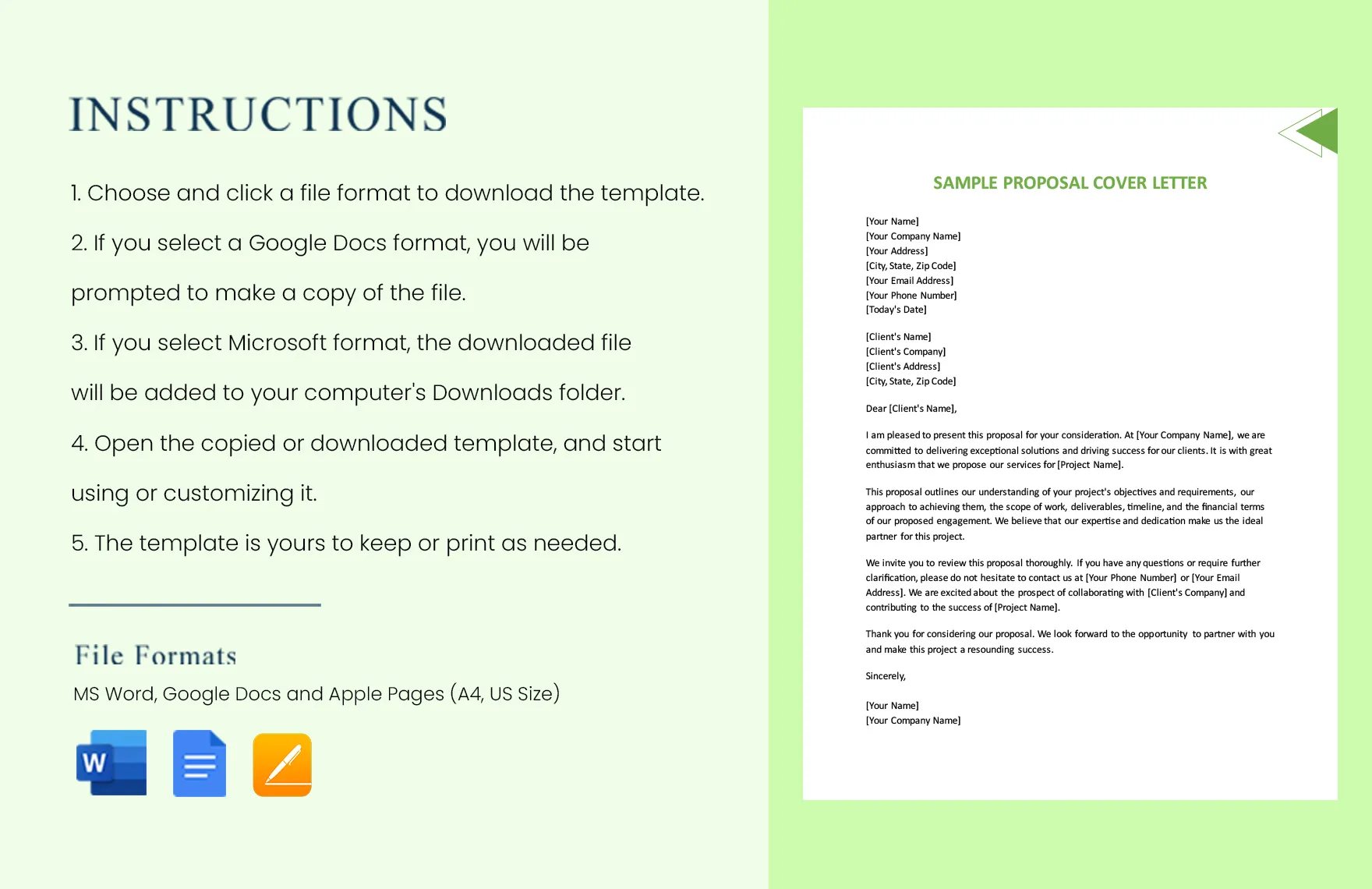
Crafting a compelling Request for Proposal (RFP) cover letter is your first step toward securing a project. It’s often the initial interaction a potential client has with your company, and it sets the tone for the entire proposal. A well-written cover letter not only introduces your organization but also highlights your understanding of the project’s needs and your ability to deliver exceptional results. This guide provides the essential elements for creating a winning RFP cover letter that will help you stand out from the competition and increase your chances of success.
Understanding the RFP Cover Letter’s Power
The RFP cover letter is more than just a formality; it’s a crucial marketing tool. It provides an opportunity to make a strong first impression and convince the evaluator that your company is the right choice. It’s where you establish your credibility, demonstrate your understanding of the project, and convey your enthusiasm for the opportunity. A well-crafted cover letter can significantly influence the decision-making process, often determining whether your proposal even receives further consideration.
What is an RFP Cover Letter
An RFP cover letter is a formal document accompanying your detailed proposal in response to a Request for Proposal. Its primary purpose is to provide a concise introduction to your company, summarize your understanding of the project requirements, and highlight your key qualifications. It serves as a bridge between the RFP issuer and your comprehensive proposal, offering a snapshot of your company’s capabilities and approach.
Why Your Cover Letter Matters

Your cover letter is crucial because it is often the first document reviewed by evaluators. A well-written letter immediately grabs attention and encourages them to delve deeper into your proposal. It demonstrates that you have paid close attention to the RFP instructions and understand the client’s needs. The cover letter allows you to showcase your enthusiasm and personality, which can be significant in a competitive environment. This is your chance to make a positive, lasting impression.
Key Elements of a Winning RFP Cover Letter
A winning RFP cover letter contains specific elements that ensure your company is presented favorably. These include a clear value proposition, a showcase of relevant experience, and evidence of your understanding of the RFP’s requirements. The content should be tailored to the specific RFP, using language and terminology directly from the document to show that you have carefully read and understood the request.
Highlighting Your Value Proposition
Clearly articulate your company’s unique value proposition. What sets you apart from competitors? Focus on the benefits the client will receive by choosing your company. This could include innovative solutions, cost savings, enhanced efficiency, or superior customer service. Quantify your claims whenever possible, using data or statistics to back up your value proposition. Ensure that your value proposition is aligned with the client’s specific needs outlined in the RFP. (See image: value-proposition-example.webp)
Showcasing Relevant Experience

Provide specific examples of past projects and demonstrate your ability to successfully deliver similar projects. Include details about your experience, highlighting your successes, and demonstrating your relevant expertise. Include the names of your previous clients and the positive outcomes achieved. If possible, mention the specific challenges overcome and how you solved those issues. Showcase any awards or recognition you have received. (See image: relevant-experience-image.webp)
Demonstrating Understanding of the RFP
Show that you have carefully reviewed the RFP by summarizing the project’s core requirements and addressing each point. Use language and terminology from the RFP to demonstrate your attention to detail. Show that you understand the client’s needs and that your proposal directly addresses those needs. Mention any specific goals, objectives, or challenges outlined in the RFP and describe your approach to meeting or exceeding them. A demonstration of understanding is one of the best ways to win an RFP. (See image: rfp-cover-letter-header.webp)
Structuring Your RFP Cover Letter for Success
Structuring your cover letter correctly is as important as the content itself. Following a clear, logical format allows evaluators to quickly grasp the essential information. Use a professional tone and formatting, making it easy to read and understand. This structure will ensure that you include all essential elements, from contact information to a strong call to action.
Contact Information and Salutation

Start with your company’s contact information, including the address, phone number, and email address. Then, address the letter to the appropriate person, if possible. If the name is unknown, use a formal greeting like ‘Dear Evaluation Committee’ or ‘Dear [Title]’. Use the correct name and title to show your attention to detail. This is your first chance to demonstrate your professionalism. (See image: rfp-structure-example.webp)
The Body Paragraphs Structure
The body of the letter should consist of a few well-structured paragraphs. Begin with a brief introduction of your company and state your interest in the project. In the subsequent paragraphs, highlight your key qualifications, value proposition, and understanding of the RFP requirements. Keep each paragraph concise and focused, using strong action verbs and avoiding jargon. Ensure that the overall tone is enthusiastic and confident, showing your commitment to the project.
Call to Action and Closing
Conclude with a clear call to action, such as ‘We look forward to the opportunity to discuss our proposal further.’ Express your gratitude for their consideration and restate your contact information. Include a professional closing, such as ‘Sincerely’ or ‘Respectfully,’ followed by your name and title. A strong call to action encourages the recipient to take the next step and keeps your company top-of-mind. Also, thank the reader for their time.
Tips for Writing a Compelling Cover Letter

To write a truly compelling cover letter, consider several factors beyond the basics. Personalize your letter, tailor it to the specific RFP, and proofread it meticulously. These practices will make a difference between your letter and all the others. Implement these tips to gain an advantage over your competitors and increase your chances of winning the bid. (See image: compelling-cover-letter-tips.webp)
Tailoring to the Specific RFP
Customize your cover letter for each RFP you respond to. Do not use a generic template; instead, personalize it to address the specific requirements and objectives of each project. Refer directly to the RFP’s instructions and show how your proposal aligns with them. Research the client and their organization to better understand their needs and address them directly. Tailoring your letter demonstrates your attention to detail and your commitment to the project.
Proofreading and Editing
Thoroughly proofread and edit your cover letter before submission. Errors in grammar, spelling, or punctuation can undermine your credibility. Have someone else review your letter to catch any mistakes you may have missed. Ensure the language is clear, concise, and professional. Proofreading also helps guarantee that your message is easily understood. (See image: proofreading-editing.webp)
Using Strong Action Verbs

Use strong action verbs to make your cover letter more dynamic and engaging. This adds impact and emphasizes your accomplishments. Examples of action verbs include ‘achieved,’ ‘developed,’ ‘implemented,’ ‘managed,’ and ‘optimized.’ Action verbs will make your points more convincing and demonstrate your capabilities effectively. Avoid passive voice and focus on describing your actions and results.
Common Mistakes to Avoid
Avoiding common mistakes is as crucial as including the essential elements. Generic letters, failure to follow instructions, and lack of enthusiasm can significantly lower your chances of success. Being aware of and actively avoiding these pitfalls will help your cover letter stand out in a positive way.
Generic vs. Customized Letters
Avoid using generic, pre-written templates. Generic letters fail to demonstrate that you understand the client’s specific needs and requirements. Customizing each cover letter shows that you have put time and effort into tailoring your response. This is essential to build trust. Customized letters, in contrast, show that you have taken the time to understand the project and are committed to delivering the best possible solution. (See image: mistakes-to-avoid.webp)
Ignoring Instructions

Always follow the instructions outlined in the RFP. Pay close attention to the required format, page limits, and submission deadlines. Failing to adhere to the instructions may result in your proposal being disqualified. Make sure to address every point requested and provide all necessary information. This shows that you pay attention to details and are willing to follow directions.
Lack of Enthusiasm
Show your enthusiasm for the project and your company’s commitment to success. Express your interest and excitement. Use positive and confident language. Convey your belief in your ability to deliver exceptional results and work with the client. A lack of enthusiasm can make your cover letter appear bland and uninspired.
In conclusion, a well-crafted RFP cover letter is a critical tool for securing new projects. By understanding its power, including key elements, structuring it effectively, and avoiding common mistakes, you can significantly increase your chances of winning the bid. Take the time to tailor each letter, proofread meticulously, and use strong action verbs. Remember, the cover letter is your first opportunity to make a positive impression, so make it count. By following these guidelines, you will be well-equipped to create a winning Request for Proposal cover letter. Now go forth and write a cover letter that wins!