Understanding the Purpose of a Cover Letter
A creative resume cover letter serves as your personal introduction to a potential employer. Unlike your resume, which lists your skills and experience, the cover letter allows you to express your personality, explain your interest in the specific role, and showcase why you’re the perfect fit for the company. It’s your chance to make a strong first impression and persuade the hiring manager to read your resume more closely. The goal is simple to get you an interview. Remember, the resume just gives the data, the cover letter gives the why.
Key Components of a Creative Resume Cover Letter
A well-structured cover letter consists of several essential elements. These components work together to create a cohesive and compelling narrative. Each section contributes to the overall impact of your letter, ensuring it resonates with the hiring manager and effectively communicates your qualifications. A strong cover letter will grab attention quickly and show the potential employer why you are the right candidate for the job. It needs to be much more creative than a resume.
Header Details

The header should include your contact information — name, phone number, email address, and potentially a link to your online portfolio or LinkedIn profile. Include the date and the hiring manager’s name and the company’s address, if possible. Make sure it’s professional and easy to read, as it sets the tone for the rest of the letter. If you can find out the name of the hiring manager, it’s critical to use it. A generic ‘Dear Hiring Manager’ will get you tossed in the pile of hundreds.
Personalized Greeting
Address the hiring manager by name. Research their name and use it. If you can’t find the hiring manager’s name, try to find someone else in the company to whom you can directly address the letter. This personalization shows that you’ve done your research and are genuinely interested in the position. Starting with a name will instantly boost your chances.
Compelling Opening Paragraph
The first paragraph is your hook. It should immediately grab the reader’s attention. State the position you’re applying for and explain why you’re excited about the opportunity. Consider starting with a brief anecdote, a statement about your passion for the company, or a specific achievement that directly relates to the job. Demonstrate your enthusiasm and capture their interest right from the start. This is your first and best chance to capture their interest.
Highlighting Relevant Skills and Experience

In the body paragraphs, highlight your most relevant skills and experiences. Tailor your letter to the specific requirements of the job description. Provide examples of how you’ve used your skills in the past and what results you achieved. This is where you show the employer the value you bring. Use keywords from the job description to showcase your knowledge.
Quantifying Achievements for Impact
Whenever possible, quantify your achievements. Use numbers, percentages, and data to demonstrate your impact in previous roles. For example, instead of saying you ‘increased sales,’ say you ‘increased sales by 15% in one quarter.’ This provides concrete evidence of your abilities and makes your claims more credible. Show the difference you have made. Use action verbs such as ‘achieved,’ ‘managed,’ ’launched,’ etc.
Demonstrating Company Research and Interest
Show that you’ve researched the company and understand their mission, values, and recent activities. Mention something specific that resonated with you or that aligns with your own career goals. This demonstrates your genuine interest and that you’re not just sending out generic applications. This shows you care about the job and are not just spamming applications.
Showcasing Your Personality and Creativity

A creative cover letter gives you the chance to showcase your personality and creativity. However, be mindful of the company culture and the industry. Use a tone that reflects your style, but always maintain professionalism. Consider incorporating a unique design element or writing style that sets you apart. This is where you can be really creative, making the letter a representation of you and your abilities.
Structuring Your Cover Letter for Maximum Impact
A well-structured cover letter guides the reader through your qualifications and enthusiasm. Use a clear and logical flow to maximize impact. Each section should build upon the previous one, creating a cohesive and compelling narrative. Make sure the structure is easy to follow and highlights the most important information.
Formatting and Design Essentials
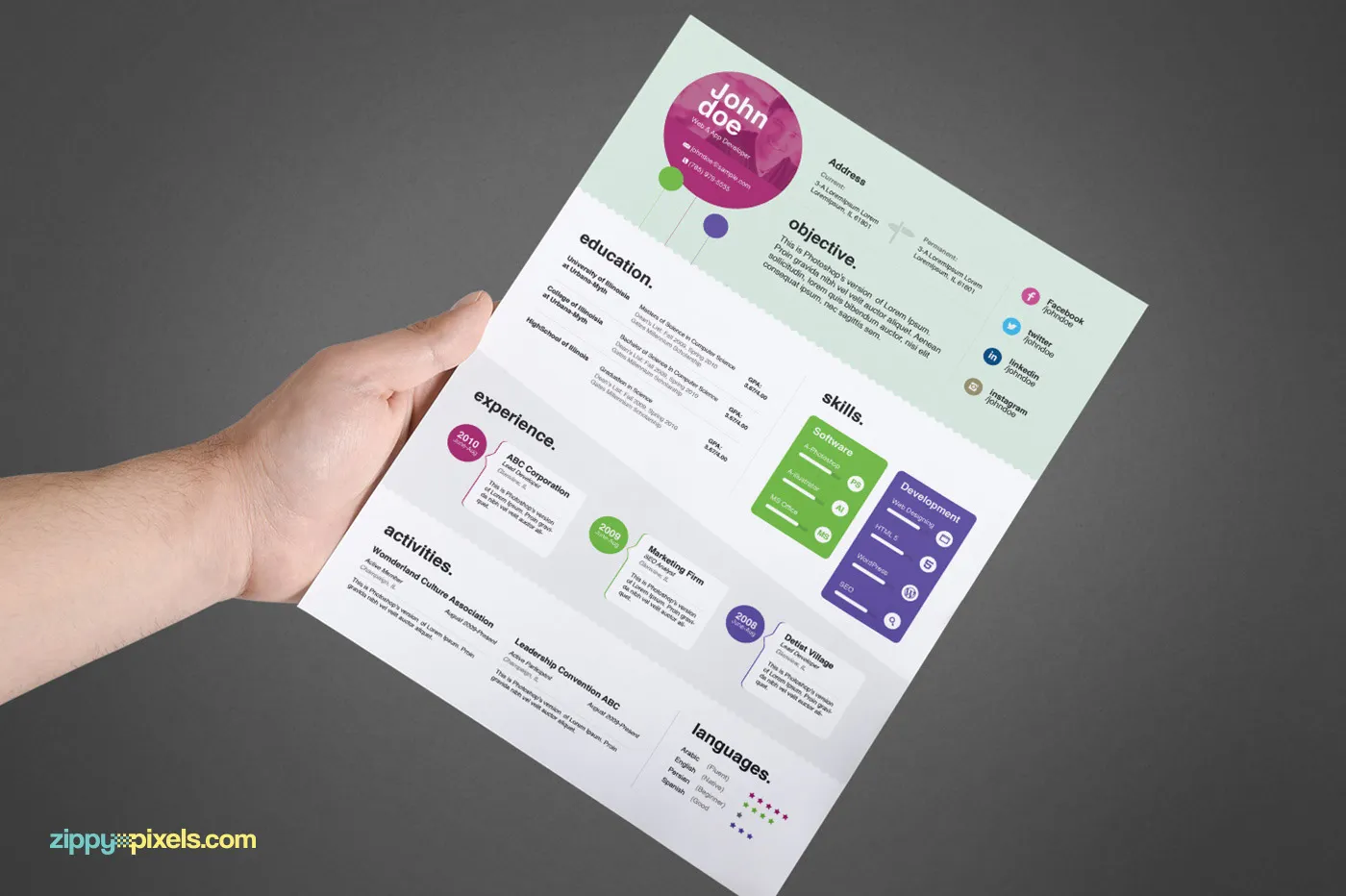
Pay attention to formatting and design to make your cover letter visually appealing and easy to read. Use a professional font, maintain consistent spacing, and ensure a clean layout. Avoid overcrowding the page. If the company allows, consider using a touch of color or a subtle design element to reflect your creative flair. Formatting is often overlooked, but it’s very important.
Choosing the Right Tone and Style

Your tone should match the company’s culture and the industry you’re applying to. Whether you choose a formal, informal, or innovative tone, make sure it’s appropriate. Ensure your style is consistent throughout the letter. Proofread everything to make sure it conveys your professionalism. If you’re unsure, it’s always best to err on the side of caution and choose a slightly more formal tone.
Proofreading and Editing for Perfection
Proofreading is critical. Errors in grammar, spelling, and punctuation can damage your credibility. Read your cover letter multiple times, ideally aloud. Ask a friend or colleague to review it as well. A fresh pair of eyes can often catch mistakes you might miss. Errors are easy to make, so proofread it carefully and make the letter as perfect as possible. It shows you care.
Common Mistakes to Avoid
Avoiding common mistakes is as important as including the right information. These errors can significantly decrease your chances of getting an interview. Pay close attention to the pitfalls and make sure your cover letter stands out for the right reasons. Addressing these mistakes can make the difference in getting an interview. This is equally as important as the other components.
Generic Openings and Closings

Avoid generic openings like ‘Dear Sir/Madam’ or generic closings like ‘Sincerely.’ Always personalize your greeting, and end with a specific call to action. Research the hiring manager’s name. Avoid generic templates that don’t show effort. The same goes for closings. Show some personality.
Typos and Grammatical Errors
Typos and grammatical errors are a red flag. Always proofread your letter meticulously before sending it. Use spellcheck, but also read the letter carefully. Ask someone else to review it. Make sure that there are no mistakes in it.
Not Tailoring to the Specific Job
Each cover letter should be tailored to the specific job and company. Don’t send out the same letter to every application. Highlight the skills and experiences that align with the job description. Show the employer you have specifically chosen them.
The Benefits of a Well-Crafted Cover Letter

A well-crafted cover letter can significantly increase your chances of landing an interview. It allows you to make a strong first impression and showcase your qualifications effectively. Crafting an outstanding cover letter will help you stand out from the competition and increase your chances of being noticed. The advantages are considerable.
Landing More Interviews
A strong cover letter gets you noticed. It demonstrates that you took the time to research the company and tailor your application. This increased attention will lead to more interview opportunities. A strong cover letter shows effort.
Making a Memorable First Impression
Your cover letter is your first impression on a hiring manager. A well-written and creative letter shows your professionalism and personality. Making a positive first impression is vital. It sets the stage for a good interview.
Examples of Creative Cover Letters
Explore different examples of creative cover letters for inspiration. There are several creative cover letter examples available online. Consider how the candidates showcased their personality, skills, and enthusiasm. Use different approaches like a visual design or a unique tone. Look for letters that fit the style of the jobs you are trying to get. Choose a creative cover letter style appropriate for the job.
Cover Letter Template
Start with a basic template and then customize it. A template is a great starting point, but make sure to personalize it. This ensures you don’t miss any critical information. Make sure the template is easy to adapt to different jobs.
Call to Action Requesting an Interview
Conclude your cover letter with a clear call to action. Express your interest in an interview and provide your contact information. Make it easy for the hiring manager to reach you. This helps to move the application forward. This is an essential part of the application.