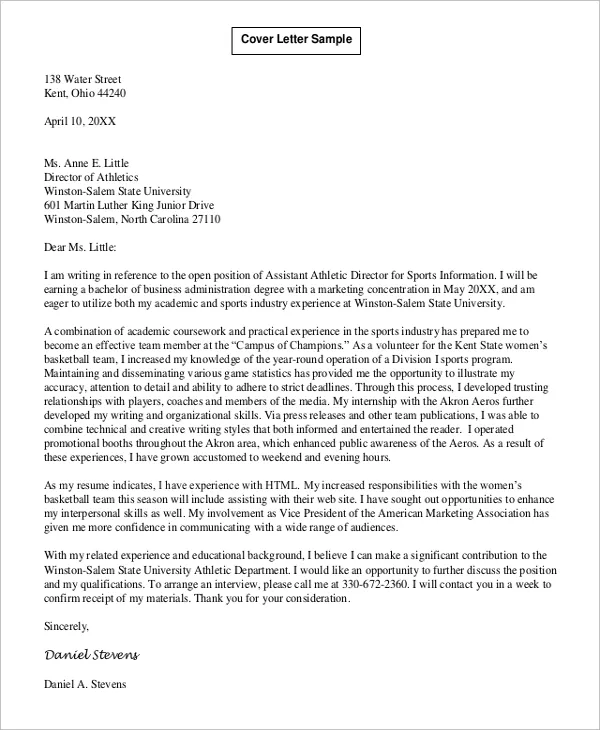
What is a Resume Cover Letter
A resume cover letter is a crucial document accompanying your resume when applying for jobs. It serves as an introduction, providing an opportunity to highlight your skills, experiences, and qualifications in a more personalized and detailed manner than your resume allows. Unlike a resume that offers a concise overview of your professional history, a cover letter enables you to showcase your personality, express your interest in the specific role and company, and explain why you are a suitable candidate. It’s your chance to make a strong first impression and persuade the hiring manager to read your resume. A well-crafted cover letter can significantly increase your chances of landing an interview, making it an essential component of any job application.
Why is a Resume Cover Letter Important
The importance of a resume cover letter cannot be overstated. It offers several benefits that can significantly enhance your job application. Firstly, it allows you to tailor your application to the specific job and company, demonstrating that you’ve done your research and are genuinely interested in the opportunity. Secondly, it provides an opportunity to elaborate on your skills and experiences, connecting them directly to the job requirements. This helps the hiring manager understand how your qualifications align with their needs. A cover letter also allows you to explain any gaps in your employment history or career transitions, providing context that might not be evident in your resume. Furthermore, a well-written cover letter showcases your communication skills, which are crucial in most professional settings. Finally, it sets you apart from other applicants who may only submit a resume, giving you a competitive edge.
Key Components of a Cover Letter

A well-structured cover letter comprises several key components that work together to create a compelling narrative. Each part plays a critical role in conveying your message effectively and increasing your chances of success. Understanding these components and how they interact is crucial for crafting an impactful cover letter that captures the hiring manager’s attention and leaves a lasting positive impression.
Contact Information
Begin your cover letter by including your contact information at the top. This typically includes your full name, address, phone number, and email address. Ensure the information is accurate and up-to-date. You can align this information to the left or right, depending on the formatting style you prefer. Also, if applying for a specific role, consider including the date, the hiring manager’s name (if known), and the company’s address below your contact information.
Greeting
The greeting, or salutation, is the first thing the hiring manager will read, so make it count. Aim to address the hiring manager by name. This shows that you have taken the time to research the company and the specific job opening. If the hiring manager’s name is not available, use a professional alternative, such as ‘Dear Hiring Manager’ or ‘Dear [Department Name] Team.’ Avoid generic greetings like ‘To Whom It May Concern,’ as they can make your application seem impersonal.
Opening Paragraph

Your opening paragraph is your chance to immediately grab the hiring manager’s attention. State the position you’re applying for and briefly mention where you found the job listing. Then, include a strong hook – a statement that highlights your most relevant skill or experience, expresses your enthusiasm for the role or company, or succinctly summarizes your qualifications. The goal is to make the reader want to continue reading. Keep this paragraph concise and focused.
Body Paragraphs
The body paragraphs form the core of your cover letter. Here, you’ll provide more detailed information about your skills, experiences, and how they align with the job requirements. Use this section to showcase your accomplishments, quantifying them whenever possible. For example, instead of saying ‘Managed social media accounts,’ say ‘Increased social media engagement by 30% in six months.’ Address the key requirements outlined in the job description and explain how you meet them. Maintain a balance between showcasing your abilities and demonstrating your understanding of the company’s needs.
Highlighting Skills and Experiences
In your body paragraphs, focus on the skills and experiences most relevant to the job. Use the job description as your guide and tailor your letter to match the requirements. Provide specific examples of how you have used your skills in previous roles to achieve positive outcomes. This could involve detailing projects you’ve managed, problems you’ve solved, or results you’ve achieved. Use action verbs to describe your accomplishments, such as ‘managed,’ ’led,’ ‘developed,’ ‘implemented,’ and ‘achieved.’ Back up your claims with quantifiable results whenever possible. For instance, if you improved a process, state the percentage of improvement or the time saved.
Demonstrating Enthusiasm and Fit

Expressing your enthusiasm for the role and the company is equally important. Explain why you are interested in the specific position and what attracts you to the organization. Demonstrate that you understand the company’s mission, values, and goals. You can mention specific projects or initiatives that resonate with you or discuss how your career aspirations align with the company’s vision. Personalize your letter by referencing something specific about the company or the role that caught your attention. Showing that you’ve done your research and are genuinely interested in the opportunity will make your application stand out.
Closing Paragraph
In the closing paragraph, reiterate your interest in the position and summarize your key qualifications. Reiterate your enthusiasm for the role and the company. Thank the hiring manager for their time and consideration. Keep this section concise and professional, leaving a lasting positive impression.
Call to Action
End your cover letter with a clear call to action. Express your eagerness to discuss your qualifications further and state your availability for an interview. Provide your contact information one more time. Thank the hiring manager again and use a professional closing, such as ‘Sincerely,’ ‘Best regards,’ or ‘Thank you.’ Proofread the entire letter to ensure it’s free of errors before submitting.
Formatting a Cover Letter for a Resume

The formatting of your cover letter is as important as the content. Proper formatting makes your letter easy to read, professional, and visually appealing. Adhering to these guidelines ensures that your cover letter presents your skills and experiences in the best possible light. Poor formatting can detract from your message and make it difficult for the hiring manager to absorb the information you are presenting.
Font and Size
Choose a professional and readable font, such as Times New Roman, Arial, Calibri, or Helvetica. Ensure the font size is between 10 and 12 points. Avoid using overly stylized or decorative fonts, as they can distract from the content and make your letter appear less professional. Maintain consistency in font style and size throughout the document. Make sure your chosen font is easily readable on various devices, as the hiring manager might review your cover letter on a computer, tablet, or smartphone.
Margins and Spacing
Use standard 1-inch margins on all sides of your cover letter. This creates visual balance and provides ample space for the reader to comfortably scan the document. Ensure that your lines are single-spaced within paragraphs, with a double space between each paragraph. Proper spacing enhances readability and prevents the letter from appearing cluttered. Use the alignment options in your word processor (left, right, or justified) to maintain a clean and organized look. Left alignment is typically the most common and easiest to read.
Proofreading and Editing

Proofreading and editing are critical steps to ensure your cover letter is free of errors. Carefully review your letter for any grammatical mistakes, spelling errors, and typos. Read the letter aloud to identify awkward phrasing or sentences that don’t flow smoothly. Consider asking a friend, family member, or career counselor to review your cover letter for a fresh perspective and catch any errors you might have missed. Pay close attention to the tone of your writing to ensure it’s professional and appropriate for the role and company. A polished cover letter demonstrates attention to detail, which is highly valued by employers.
Writing a Cover Letter for Different Job Types
The approach you take when writing a cover letter can vary depending on the type of job you are applying for. Tailoring your cover letter to align with the specific requirements and expectations of each job type is essential for demonstrating your suitability for the role. Whether you’re seeking an entry-level position, applying as an experienced professional, or targeting a specific industry, adjusting your cover letter can significantly increase your chances of success.
Entry-Level Positions
For entry-level positions, focus on your transferable skills, education, and any relevant internships or volunteer experiences. Since you may have limited professional experience, emphasize your academic achievements, coursework, and projects that demonstrate your abilities. Highlight any skills you’ve gained through extracurricular activities or part-time jobs. Express your enthusiasm for learning and your willingness to take on new challenges. Tailor your cover letter to the specific job requirements and explain how your skills and experiences align with what the employer is looking for. Show how your education and any prior experiences have prepared you for the role.
Experienced Professionals

Experienced professionals should highlight their relevant work history, accomplishments, and quantifiable results. Use your cover letter to showcase your achievements in previous roles, demonstrating how you’ve added value to your employers. Focus on the skills and experiences most relevant to the job you’re applying for and provide specific examples of your successes. Quantify your achievements whenever possible (e.g., ‘Increased sales by 20%’). Emphasize leadership skills, project management experience, and any special expertise you possess. Highlight how your skills and experience align with the new role’s requirements. Provide a concise, compelling summary of your career achievements that is tailored to the specific job and organization.
Cover Letter for Specific Industries
When applying for jobs in specific industries, it’s crucial to understand the norms and expectations of that field. Research the industry and the company to tailor your cover letter accordingly. For example, in the tech industry, you might highlight your technical skills and your experience with specific technologies. In creative fields, you may showcase your portfolio and creative contributions. Consider the unique language, terminology, and values of the industry when writing your cover letter. Tailor the tone and content of your letter to align with the expectations of the industry. Use industry-specific keywords to make your cover letter stand out to hiring managers.
Cover Letter Dos and Don’ts
Following best practices and avoiding common pitfalls is essential for crafting a successful cover letter. Pay close attention to the details, be mindful of your tone, and always tailor your letter to the specific job and company. This will greatly increase your chances of making a positive impression on the hiring manager.
Dos
- Research the company and the specific role.
- Customize your letter for each application.
- Highlight your relevant skills and experiences.
- Quantify your accomplishments whenever possible.
- Use action verbs to describe your achievements.
- Proofread carefully for errors.
- Keep it concise and easy to read.
- Express enthusiasm and demonstrate your fit for the role.
Don’ts
- Use generic or vague language.
- Repeat information from your resume.
- Include errors in grammar or spelling.
- Focus solely on your needs rather than the employer’s.
- Exceed one page in length.
- Use overly casual or informal language.
- Submit a generic cover letter to multiple positions.
- Forget to proofread