Why a Resume Cover Letter is Essential
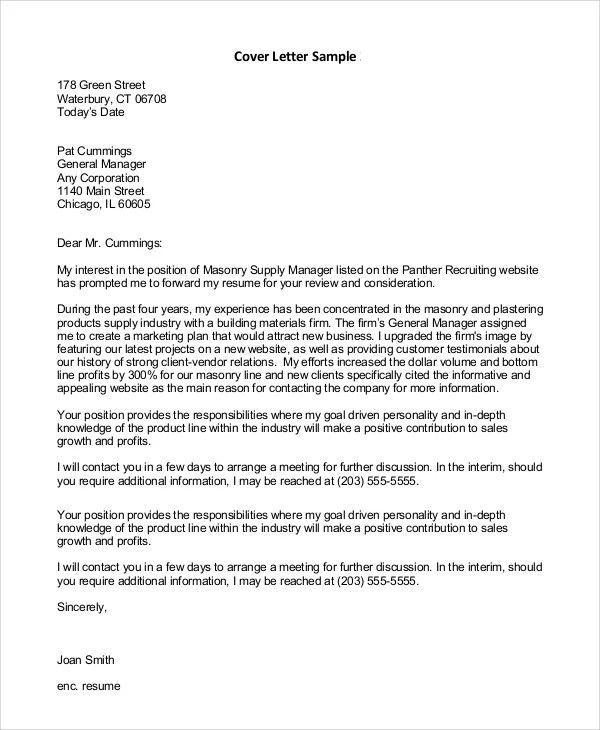
In today’s competitive job market, a good resume cover letter is no longer optional; it’s essential. While your resume provides a snapshot of your skills and experience, a cover letter offers the opportunity to tell your story, connect with the hiring manager on a personal level, and showcase your enthusiasm for the role. It’s your chance to demonstrate why you’re the perfect fit, going beyond what’s listed on your resume. A well-crafted cover letter significantly increases your chances of landing an interview, making it a crucial component of any job application. It sets the stage and provides context, allowing you to address specific requirements and illustrate how your qualifications align with the company’s needs. A compelling cover letter can differentiate you from other candidates and leave a lasting positive impression.
Highlighting Key Achievements and Skills
One of the most effective secrets of a good resume cover letter is highlighting key achievements and skills. Instead of simply listing your responsibilities, use this space to showcase tangible results and quantify your impact. For example, if you improved sales, specify the percentage increase. If you managed a project, detail the successful outcomes. Tailor these examples to the specific requirements of the job, emphasizing the skills and experiences most relevant to the role. This targeted approach demonstrates your understanding of the company’s needs and allows you to immediately grab the hiring manager’s attention. By presenting achievements in a concise and compelling manner, you prove your value and make a strong case for why you should be considered for the position.
Tailoring Your Cover Letter to the Job

Generic cover letters are easily recognizable and often discarded. The secret to a successful cover letter is tailoring it to each specific job application. This involves carefully reviewing the job description, identifying the key requirements, and customizing your letter to address them directly. Show that you understand the specific needs and challenges of the role. Mention specific skills, experiences, or projects that align with the job requirements. Research the company to gain a better understanding of its culture and values, and weave this knowledge into your letter. The time invested in tailoring your cover letter demonstrates your genuine interest and commitment, making a strong impression on the hiring manager and significantly increasing your chances of success. This personalization shows you are not just sending a mass application but are truly interested in the specific opportunity.
Demonstrating Your Understanding of the Company
A standout cover letter demonstrates your understanding of the company. Before writing, do your research. Explore the company’s website, social media profiles, and news articles to learn about their mission, values, and recent projects. Use this information to show you’re not just applying for any job but that you genuinely want to be a part of that specific organization. Mention specific company initiatives, products, or services that resonate with you. Explain why their mission aligns with your career goals. This shows that you’ve taken the time to understand their business, making you appear more engaged and interested. Showing this level of insight can significantly increase your chances of standing out. Demonstrating that you share the company’s values and understand their business helps you connect with the hiring manager.
Showcasing Your Personality and Enthusiasm
A good resume cover letter should allow your personality and enthusiasm to shine through. While professionalism is key, don’t be afraid to let your passion for the role and the company come across. Use a conversational tone and avoid overly formal language. Share anecdotes or examples that highlight your relevant skills and experiences in a way that feels natural. Make sure your tone matches the company’s culture to ensure you are a fit. If appropriate, express your excitement about the opportunity and your eagerness to contribute to the team. This personal touch helps the hiring manager get a sense of who you are beyond your qualifications, making you more memorable and likeable. A cover letter is your chance to show why you’re not just qualified but also a great fit.
The Art of the Professional Closing

The closing of your cover letter is a critical opportunity to leave a lasting impression. Instead of simply ending with a generic phrase, craft a closing that reiterates your interest and makes a call to action. Reiterate your enthusiasm for the role and briefly summarize why you are the ideal candidate. Then, include a clear and direct call to action. For example, state that you are available for an interview at their earliest convenience, or express your excitement about the opportunity to discuss your qualifications further. Always thank the hiring manager for their time and consideration. A well-crafted closing reinforces your key message, solidifies your interest, and makes it easy for the hiring manager to take the next step, significantly increasing the chance of a positive response.
The Common Mistakes to Avoid in a Cover Letter
Avoiding common mistakes is essential for a successful resume cover letter. These pitfalls can immediately disqualify your application, no matter how strong your qualifications are. Pay close attention to ensure that you are not making these mistakes, which can damage your chances of landing an interview. A flawless cover letter will present you as professional and detail-oriented, which is critical in the hiring process.
Generic Cover Letters
One of the most significant mistakes is sending a generic cover letter. These letters, which are not tailored to the specific job or company, instantly make you appear less interested and less qualified. Hiring managers can easily spot generic letters, and they often discard them immediately. Always take the time to customize your letter for each application, highlighting the specific skills and experiences that align with the job requirements, and demonstrate your understanding of the company’s needs and values. Generic cover letters show you’re sending out mass applications, which can come across as impersonal and careless.
Typos and Grammatical Errors

Typos and grammatical errors are a major red flag in a cover letter. These mistakes signal a lack of attention to detail and professionalism, which can undermine your credibility. Before submitting your letter, proofread it carefully multiple times. Use grammar and spelling checkers and also ask a friend or colleague to review it. Errors create a negative impression and suggest that you may not pay attention to detail. Ensuring your cover letter is free of errors is a simple yet effective way to showcase your professionalism and respect for the hiring process. A polished letter is crucial for making a positive first impression.
Failing to Address the Recruiter
Failing to address the recruiter or hiring manager by name is a missed opportunity. When possible, find out the name of the person you are writing to, and use it in your salutation. If you can’t find a name, try to avoid a generic greeting, such as “To Whom It May Concern.” You might try “Dear Hiring Manager” if you are unsure. Researching the contact person shows initiative and personalized your application. An addressed cover letter is more engaging and indicates that you have taken the time to learn about the company and the role, demonstrating a genuine interest. Addressing the recruiter by name is an easy way to make your letter stand out from the crowd and make a more personal connection, which is often the difference between getting an interview and being overlooked.
Not Proofreading Your Cover Letter
Failing to proofread your cover letter is another mistake. This can lead to missed opportunities to make a good impression. Thoroughly check for any spelling errors, grammatical mistakes, and formatting inconsistencies. Proofreading is essential because errors can make your application appear unprofessional and may lead to a negative first impression. Carefully review your cover letter multiple times to ensure that it is free of errors. It is also good to have a friend or colleague read over it to catch any errors you might have missed. Taking this extra step demonstrates your attention to detail and increases the likelihood that your application will make a positive impact.
Using Overly Formal Language

While professionalism is important, using overly formal language can make your cover letter sound stilted and impersonal. Avoid using archaic phrases or overly complex sentence structures that may sound inauthentic. Instead, write in a clear, concise, and conversational tone that allows your personality to shine through. Tailor your language to match the company’s culture and tone. Using simple, easy-to-understand language makes it easier for the hiring manager to read your letter. Make sure your tone aligns with the company’s brand to show your interest in working with them and demonstrate your ability to fit in with the team.
Tips for Formatting Your Cover Letter
Formatting can significantly impact the readability and professionalism of your cover letter. A well-formatted letter is easier to read and makes a positive impression, showing attention to detail. A poorly formatted letter is likely to be overlooked. To make sure your letter is as effective as possible, focus on the following formatting tips.
Font and Readability
Choose a professional and easy-to-read font, such as Times New Roman, Arial, or Calibri. Keep the font size between 10 and 12 points. This ensures that your letter is easy on the eyes and doesn’t strain the reader. Use clear spacing between paragraphs and sections to create visual breaks and make the content more digestible. A readable font and proper spacing increase the chances that your message will be received and understood. Using the appropriate font ensures that your letter is as effective as possible and gives you the best chance of getting noticed.
Length and Structure

Keep your cover letter concise, ideally no longer than one page. Structure your letter clearly with an introduction, body paragraphs highlighting your key skills and experiences, and a conclusion. This structured approach makes it easy for the hiring manager to quickly grasp your qualifications and enthusiasm. Use headings and subheadings to organize your content and break up large blocks of text. Maintain a professional and balanced layout to make your letter visually appealing and reader-friendly. This structured formatting will make it easier for the hiring manager to read and take action.
Keywords Optimization in Cover Letter
Keywords are important in a cover letter. Incorporate keywords from the job description naturally throughout your letter. These keywords are phrases that the hiring manager might search for when reviewing applications. Use keywords in your opening, body paragraphs, and closing to showcase how your skills and experiences align with the job requirements. By strategically incorporating these keywords, you increase the chances that your cover letter will be noticed by applicant tracking systems (ATS) and hiring managers. Using relevant keywords also helps to demonstrate that you have understood the requirements of the role. Pay attention to the specific terminology used in the job description and use it appropriately throughout your cover letter to maximize your impact.
Conclusion
A good resume cover letter is a powerful tool in your job search arsenal. By following these secrets – emphasizing achievements, tailoring your letter, demonstrating your understanding of the company, showcasing your personality, and avoiding common mistakes – you can significantly improve your chances of landing an interview. Remember to tailor your cover letter to each specific job, use clear formatting, and proofread carefully. With a well-crafted cover letter, you can make a strong first impression, highlight your unique qualifications, and increase your chances of success in the competitive job market. Always take the time to present your best self, and you’ll be on your way to a successful job search.