Why a Strong RN Cover Letter Matters
As a new graduate registered nurse (RN), your cover letter is your first chance to make a positive impression on potential employers. It’s not just a formality, but a crucial document that can significantly impact your chances of landing your dream job. Unlike your resume, which provides a summary of your qualifications, your cover letter allows you to tell a story, showcasing your personality, passion, and unique value proposition. In a competitive job market, a well-crafted cover letter can set you apart from other applicants by demonstrating your communication skills, attention to detail, and genuine interest in the position and the healthcare organization. The cover letter should highlight your nursing skills, experience, and career aspirations, persuading the hiring manager to invite you for an interview.
What to Include in Your New Grad RN Cover Letter
Creating a compelling cover letter requires careful consideration of what to include. This section provides a detailed guide to help you craft a cover letter that highlights your strengths and captures the attention of hiring managers. Including these key elements ensures your application stands out, demonstrating your professionalism and suitability for the role. Each section plays a vital role in telling your story and persuading the reader of your potential. By thoughtfully addressing each of these components, you can increase your chances of securing an interview and starting your nursing career on the right foot. Make sure to tailor your content to each job.
Contact Information & Date

Start with your contact information at the top: your full name, address, phone number, and professional email address. Following this, include the date you are submitting the application. This ensures the employer can easily reach you and demonstrates you’ve taken the time to be precise.
The Hiring Manager’s Name
Always address your cover letter to a specific person, if possible. Research the hiring manager’s name (e.g., Nurse Manager, HR representative) and title. This personalizes the letter and shows that you’ve taken the initiative to learn about the organization. Using a name immediately makes the letter more engaging and shows that you’re genuinely interested in the position, not just sending out a generic application.
A Compelling Opening Paragraph
Your opening paragraph is critical. Start with a strong hook. State the position you are applying for and where you found the job posting. Briefly mention what excites you about the role and the organization. This sets the tone and immediately captures the reader’s attention, making them want to read further. Highlight your enthusiasm and make it clear why this specific role and organization align with your career goals.
Highlighting Your Nursing Skills

Clearly outline the nursing skills you possess that are relevant to the job description. Even as a new grad, you have skills gained from clinical rotations, coursework, and any volunteer work. Mention skills such as patient assessment, medication administration, wound care, and electronic health record (EHR) proficiency. Use specific examples to demonstrate your abilities. This section should align directly with the job requirements, showing the employer that you have the capabilities they need. Highlighting how your skills match their needs is the key to landing an interview.
Showcasing Clinical Experience
Detail your clinical experiences, including the settings in which you’ve worked (e.g., medical-surgical, ICU, pediatrics). Describe your responsibilities, the types of patients you cared for, and any specialized procedures you performed. Be specific about your role, demonstrating your ability to work in various healthcare environments. This section provides concrete evidence of your hands-on experience and prepares you for success in the nursing field.
Quantifying Achievements
Whenever possible, quantify your achievements to make them more impactful. Use numbers and data to illustrate your accomplishments. For example, mention the number of patients you cared for, the percentage of improvement in patient outcomes you helped achieve, or any positive feedback you received. Quantifiable results make your achievements more credible and show the impact you’ve had in previous experiences. This evidence provides a more compelling picture of your capabilities.
Emphasizing Relevant Skills
Focus on skills that are highly valued in nursing, such as critical thinking, communication, teamwork, and time management. Provide examples of how you’ve utilized these skills in practice. For instance, describe how you managed a high-stress situation, collaborated effectively with a healthcare team, or successfully communicated complex medical information to patients and their families. Demonstrating your soft skills alongside your technical skills enhances your suitability for the role and shows you understand the holistic requirements of nursing.
Demonstrating Passion for Nursing
Express your genuine passion for nursing and patient care. Share what motivates you to be a nurse, what you find most rewarding about the profession, and why you chose this specific specialty or healthcare setting. Your enthusiasm will resonate with the hiring manager and make you a more memorable candidate. This section lets you stand out from the crowd, highlighting your personal connection to the field.
Formatting Your RN Cover Letter
The format of your cover letter is just as important as its content. A well-formatted letter shows professionalism and attention to detail, making a positive impression. Here’s how to format it to ensure it looks polished and easy to read, making it more likely to be read and valued.
Choose a Professional Font

Select a professional and easy-to-read font, such as Times New Roman, Arial, or Calibri. Keep the font size between 11 and 12 points. Avoid using overly stylized or distracting fonts, as they can detract from the content. A clean, classic font ensures the focus remains on your qualifications, and makes the letter easier to read quickly. Make sure the font is consistent throughout the document for a cohesive look.
Maintain Single Spacing
Use single-line spacing throughout your cover letter, with a blank line between paragraphs. This formatting improves readability and makes the letter appear organized. Consistent spacing helps the hiring manager scan the document easily, allowing your message to come across clearly. Proper spacing enhances the overall professional appearance of your cover letter.
Proofread Meticulously
Proofread your cover letter multiple times for any grammatical errors, spelling mistakes, or typos. Have a friend or mentor review it as well. Errors can damage your credibility and suggest a lack of attention to detail. A clean, error-free cover letter demonstrates your professionalism and attention to detail, which are essential qualities for an RN.
RN Cover Letter Examples

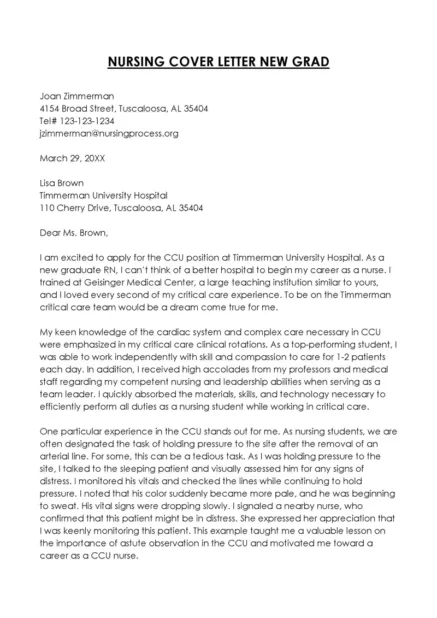
Reviewing examples of RN cover letters can provide valuable insights into structure, tone, and content. Use these examples as a guide to tailor your own letter. See how other successful candidates have presented their skills and experiences. Consider what resonates with you and adapt those elements to showcase your unique strengths and achievements. Look for examples that match the specific roles and organizations you are targeting.
Tailoring Your Cover Letter to the Job
Customizing your cover letter for each job application is crucial for demonstrating genuine interest and suitability for the role. Generic cover letters are often dismissed, as they do not show a specific understanding of the position or the organization. By tailoring your letter, you can highlight the most relevant skills, experience, and qualifications, making your application more compelling. Tailoring your cover letter helps you stand out as a serious candidate who has taken the time to understand and address the employer’s specific needs.
Research the Hospital or Clinic
Before you write your cover letter, thoroughly research the hospital or clinic. Visit their website, read about their mission, values, and recent achievements. Understanding their priorities allows you to align your skills and experiences with their needs, which will help you better articulate how you can contribute to their team. This shows that you’ve taken the time to understand their organizational culture.
Address Specific Job Requirements
Carefully review the job description and identify the key skills, qualifications, and experiences they are seeking. In your cover letter, directly address each requirement and provide specific examples of how you meet them. This demonstrates to the hiring manager that you have the precise skills and qualifications they are looking for, making your application more relevant and compelling.
Ending Your Cover Letter Effectively
The closing of your cover letter is your final opportunity to leave a lasting impression. End your letter with a strong and professional closing that reinforces your interest in the position and encourages the hiring manager to contact you. A well-crafted conclusion will increase your chances of getting invited to an interview.
Express Enthusiasm
Reiterate your enthusiasm for the opportunity and your commitment to the organization. This reinforces your interest and makes you a more memorable candidate. Express your excitement about the prospect of contributing to their team and achieving their mission. Show that you are truly invested in the role and the organization.
Include a Call to Action

Include a clear call to action, such as requesting an interview. State your availability and express your eagerness to discuss your qualifications further. Make it easy for the hiring manager to move forward by explicitly stating your desire for an interview. Provide your contact information once more, and ensure that it is easy to find.
The Importance of Following Up
After submitting your cover letter and resume, follow up with the hiring manager or the HR department. A follow-up email or phone call a week or two after submitting your application shows your continued interest in the position and demonstrates your professionalism. This also gives you another opportunity to reinforce your qualifications and enthusiasm. Following up can set you apart from other applicants who may not take this extra step.