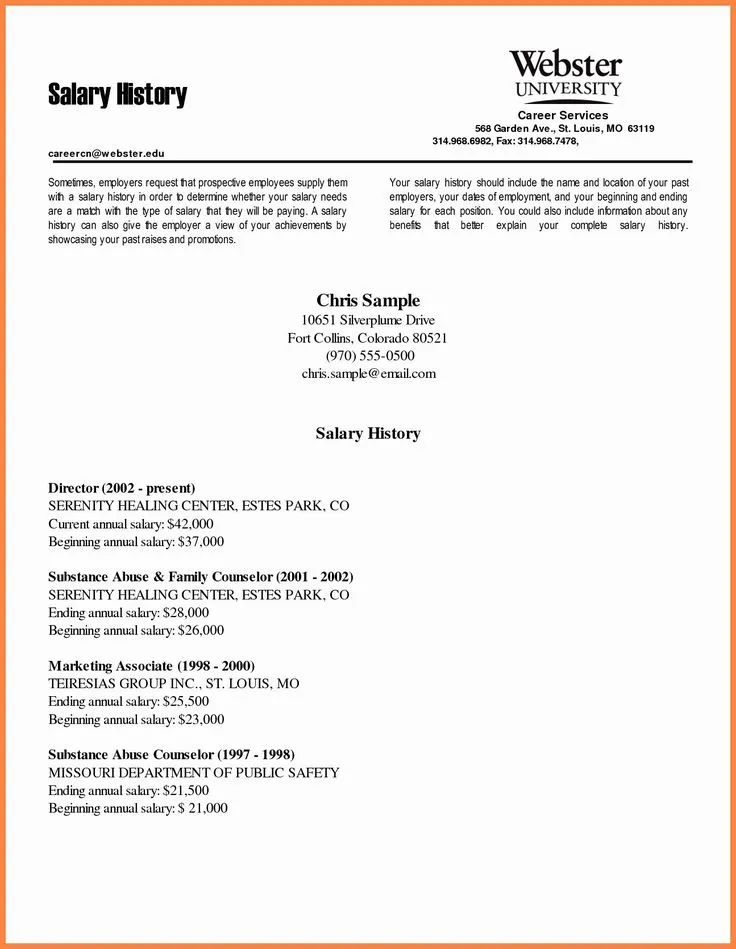
Understanding Salary Requirements in Cover Letters
Navigating the tricky waters of salary expectations in a cover letter can feel daunting, but it’s a crucial element of your job application. Mentioning salary requirements isn’t always mandatory, but when requested or when strategically employed, it can significantly impact how a potential employer perceives you. This guide will equip you with the knowledge to confidently address salary expectations in your cover letter, increasing your chances of landing an interview and ultimately, the job. We’ll explore the nuances of when to include salary information, how to craft the perfect salary statement, and common pitfalls to avoid. Understanding the context and tailoring your approach is key to presenting yourself professionally and maximizing your opportunities. Remember, your cover letter is your first impression, so making a positive impact on this first impression is a key to getting the interview.
Why Mention Salary Requirements?
Addressing salary requirements in your cover letter demonstrates your professionalism and attention to detail. It shows you’ve considered the role and your value, and you’re serious about the opportunity. Providing a salary expectation, when appropriate, can streamline the hiring process by ensuring both you and the employer are on the same page regarding compensation. This can prevent wasted time on interviews and negotiations if the salary range isn’t a good fit. Moreover, some employers explicitly request salary information in the application process, and failing to provide it could lead to your application being overlooked. A well-crafted salary statement showcases your understanding of the market and your confidence in your abilities. It is important to strike the right balance between expressing your desired compensation and showcasing your understanding of the company’s needs. This shows the potential employer that you have thought about the details and helps to put you in a favorable light.
When to Include Salary Expectations (and When Not To)

Knowing when to include your salary expectations in a cover letter is just as important as knowing how to include them. The context of the job posting and the company’s expectations should guide your decision. In some situations, providing your salary expectations upfront is beneficial, while in others, it’s best to delay the discussion. Generally, the following guidelines apply. Always follow the job posting’s instructions. If the job posting explicitly requests a salary expectation, you must include it. Failing to do so could lead to immediate rejection of your application. However, when in doubt, or if the job posting doesn’t specify a requirement, it’s generally best to avoid mentioning a specific salary figure, especially in your initial cover letter, unless you have information from other sources. A good strategy is to frame your response in a way that gives you flexibility. You want to be hired, but you also want a good salary. You need to strike a balance so you don’t price yourself out of the role.
When the Job Posting Asks for Salary
When a job posting explicitly asks for your salary expectations, it’s essential to provide them. This is a clear signal from the employer that they want to know your compensation requirements early in the process. Failing to include this information, or omitting it altogether, can lead to your application being rejected. Take this as an opportunity to demonstrate that you understand the job requirements and are serious about the position. If you have done your salary research, you should be in a good position to provide a figure. When the job posting asks for your desired salary, this is the moment to include it, this information should be placed toward the end of the cover letter, right before the closing paragraph. Always make sure the information is easy to find and clearly stated, so it can be seen and understood. The potential employer does not want to have to go searching for this critical information.
When the Job Posting Doesn’t Mention Salary
If the job posting doesn’t mention salary, you’re usually safe to omit it from your cover letter. In fact, in most cases, it might be more strategic to defer the salary discussion until the interview stage, or even later. This allows you to showcase your skills and qualifications, and demonstrate your value to the company before discussing compensation. This gives you the opportunity to make a strong impression and negotiate from a position of strength. The goal is to create interest in your skills and in you, so you are the best candidate for the job. In these situations, you can briefly mention your salary expectations in a later email, or you can wait until they bring it up. If the interviewer does bring it up, you can ask for their salary range, this lets you know how much they are willing to pay. If they ask you first, you can give a range to give yourself some flexibility. It is always best to know the salary range of the company before giving yours.
Crafting the Perfect Salary Statement

Crafting the perfect salary statement involves more than just stating a number; it’s about demonstrating your market awareness, value, and professionalism. You want to communicate your desired compensation in a way that aligns with your experience, the role’s responsibilities, and the industry standards. Your goal is to present yourself as a knowledgeable and reasonable candidate who is serious about the opportunity. The way you present your salary requirements says a lot about you, and is an important first impression. The statement you craft can range from a specific figure to a salary range, or even a general statement about your expectations. Your choice will depend on the specific situation. Your goal is to be professional, while also expressing your expectations clearly. Remember to keep it concise and professional.
Researching Salary Ranges
Before you mention any figures, conduct thorough research. Use online resources like Glassdoor, Salary.com, and Payscale to gather salary data for similar roles in your location. Consider factors like experience, education, and the specific requirements of the job. Reviewing salary data for the role and industry you are applying for is essential. A well-researched salary range will give you a good starting point for your negotiations. You need to use the research to formulate an informed decision. This research will ensure that your expectations are realistic and competitive. Take into account factors such as the cost of living in the area and the size of the company when researching salary ranges. Also, check the company’s website or LinkedIn profile to get an idea of their size and financial standing. This information will also give you an edge in the negotiations.
Stating Your Salary Expectations
When stating your salary expectations, be clear and concise. If the job posting requests a specific figure, provide it, but it’s often better to use a salary range. A salary range gives you some flexibility during negotiations and demonstrates your openness. For example, you could state, “I am seeking a salary in the range of $X to $Y, commensurate with my experience and the responsibilities of this role.” This allows for some negotiation. Tailor your salary expectation to the specific job and your skills. Be sure to research the average salary range for the type of job and location. Always state the salary requirements at the end of your cover letter, right before the closing paragraph. This is so the recruiter is able to see it without searching through your cover letter. This is particularly important when the company requests the salary amount. If you are not sure what the salary range is, then you can use the phrase “negotiable” to let the employer know you’re willing to discuss your salary requirements.
Using a Salary Range

A salary range is often the preferred approach, as it gives you flexibility and allows for negotiation. Be sure to set the range based on your research and experience. The lower end of the range should be the minimum you’re willing to accept, and the higher end should be the value you believe you bring to the role. It should be a reasonable range, not too wide, or it may seem like you haven’t done your homework. Also, be prepared to justify your range during the interview process. Explain why you feel your skills and experience warrant the salary range you’ve provided. This also allows you to show your skills and experience, and provides a point of negotiation. State your salary range in a way that shows you are open to negotiating. Remember to use research and know your value. Using a salary range is usually the best approach, as long as the potential employer does not want an exact salary. If they want an exact salary, then provide it.
Focusing on Value
Instead of simply stating a salary, you can subtly emphasize the value you bring to the table. This approach works well if the job posting doesn’t explicitly ask for a salary. You could state, “I am confident that my skills and experience in [relevant skill] would enable me to make a significant contribution to your team. I am seeking a competitive salary that reflects my experience and the value I can bring to this role.” This strategy allows you to showcase your capabilities while deferring a specific salary discussion until a later stage. Your goal is to showcase your skills and experience so that the company recognizes you as the best candidate for the job. In this scenario, it is okay to mention your salary requirements in the interview, or even defer until a later point. The goal is to emphasize your value and your experience.
Formatting Your Salary Requirement
The formatting of your salary statement should be clear, concise, and professional. Make sure it’s easy to read and understand, without any jargon. Place the salary expectation towards the end of your cover letter, right before your closing paragraph. This ensures that the hiring manager can easily find the information. Be sure to use a professional tone and avoid any slang. Always be polite and respectful of the company’s position. The goal is to present your expectations in a way that is both informative and favorable. The key is to be professional and easy to read. This shows the employer that you know what you are doing and that you value your time.
Placement Within the Cover Letter

The placement of your salary requirement within the cover letter is crucial. Always include it towards the end of the letter, just before your closing paragraph. This is the most logical and professional place to include it. It ensures that your qualifications and skills are highlighted first, and then you address the salary. Putting the salary expectation in the correct spot in your cover letter tells the potential employer that you know what you are doing. This is your last chance to make an impression, and it is important to make a good one. It gives the impression of confidence and preparedness. Make sure the information is easy to find and easy to read. This shows the employer that you know what you are doing and that you value your time.
Example Salary Statements
To help you visualize how to incorporate salary expectations into your cover letter, here are three example statements. These examples are tailored for different scenarios, and you can adapt them to fit your specific situation.
Example 1 Focusing on a Specific Salary
If the job posting explicitly requests a specific salary, use this format “Based on my research and experience, I am seeking a salary of $XX,XXX per year.” This demonstrates that you have given the details some thought. This straightforward approach is suitable when the job posting asks for a specific salary. Be sure to mention your research in your cover letter to showcase you have done your homework. If you are not sure about the salary range, you could always use the word “negotiable”, and let the company know you are willing to discuss your salary expectations.
Example 2 Using a Salary Range

A salary range provides flexibility. “I am seeking a salary in the range of $XX,XXX to $YY,YYY, commensurate with my experience and the responsibilities of the role.” This approach is ideal when the job posting does not specify a salary or when you wish to have some room for negotiation. This gives you room to negotiate if the interviewers start negotiating with you. Having a salary range is generally the best approach to presenting your salary requirements. Your goal is to come to an agreement on your salary, so presenting a range helps to accomplish this goal. The range you give should be based on your experience and research.
Example 3 Highlighting Value
If you prefer to defer the salary discussion, consider a statement like this. “I am confident that my skills and experience in [relevant skill] would enable me to make a significant contribution to your team. I am seeking a competitive salary that reflects my experience and the value I can bring to this role.” This highlights your value and defers the salary discussion. You can always mention your salary expectations at the interview, or even later. This is important if the job description does not mention salary expectations. It is very important to present your value.
Common Mistakes To Avoid
Avoiding common mistakes can make or break your cover letter. Be mindful of these pitfalls to make sure you present yourself in the best possible light.
Being Too Vague
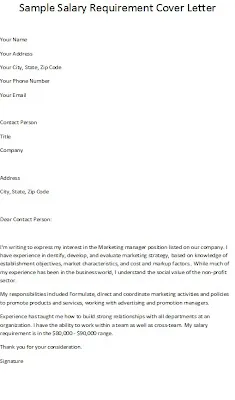
Avoid being too vague or evasive when it comes to salary. Statements like “negotiable” or “competitive salary” without any context can be unhelpful. This does not give the potential employer enough information. If you use these terms, be prepared to discuss your expectations in detail. Employers want to see you are confident in your abilities. Vague wording shows a lack of confidence. Giving no context is worse than not providing a salary expectation. Also, the word “negotiable” has become overused. If you do decide to use it, be prepared to discuss your salary expectations in detail in the interview. This is your chance to show your skills and experience.
Demanding an Unrealistic Salary
Setting your salary expectations too high can price you out of the running, especially if your experience doesn’t match your demands. Always research industry standards and the typical salaries for similar roles. This is very important because it is easy to price yourself out of the job with an unrealistic demand. Be realistic and reasonable when it comes to your salary requirements. If your experience does not align with the salary you want, you will likely be rejected. Your goal is to get an interview, so be realistic. It is always a good idea to research the salary range for similar jobs, and then determine your salary expectations. Always make sure you are in alignment with industry standards. Your research will give you the information you need to prepare.
Neglecting Research
Failing to research salary ranges for the role, industry, and location can lead to either under- or overestimating your worth. Research is the key to a successful negotiation. Take the time to find reliable salary data from reputable sources. This will allow you to have a clear understanding of market value, which will help you feel confident when you are negotiating your salary. Researching the salary ranges also allows you to know when you can offer yourself to the potential employer. Take the time to research the salary ranges for jobs in your area. This research is very important when it comes to salary requirements. You need to present a clear understanding of market value.
Review and Refine Your Cover Letter
After writing your cover letter, take the time to review and refine it. Ensure your salary expectations are clear, concise, and align with your experience and the job requirements. Proofread for any grammatical errors. It is very important to have a clear and concise presentation. Always proofread the document and use a grammar checker to check for any errors. A well-written cover letter is your best chance of getting an interview. Before sending your cover letter, have a friend or a colleague review it for feedback and suggestions. Your cover letter is your introduction, so it is important to make a good impression. Make sure you are professional and highlight your value and experience. Your goal is to make an impression, so present yourself in a way that shows you are the best candidate for the job.