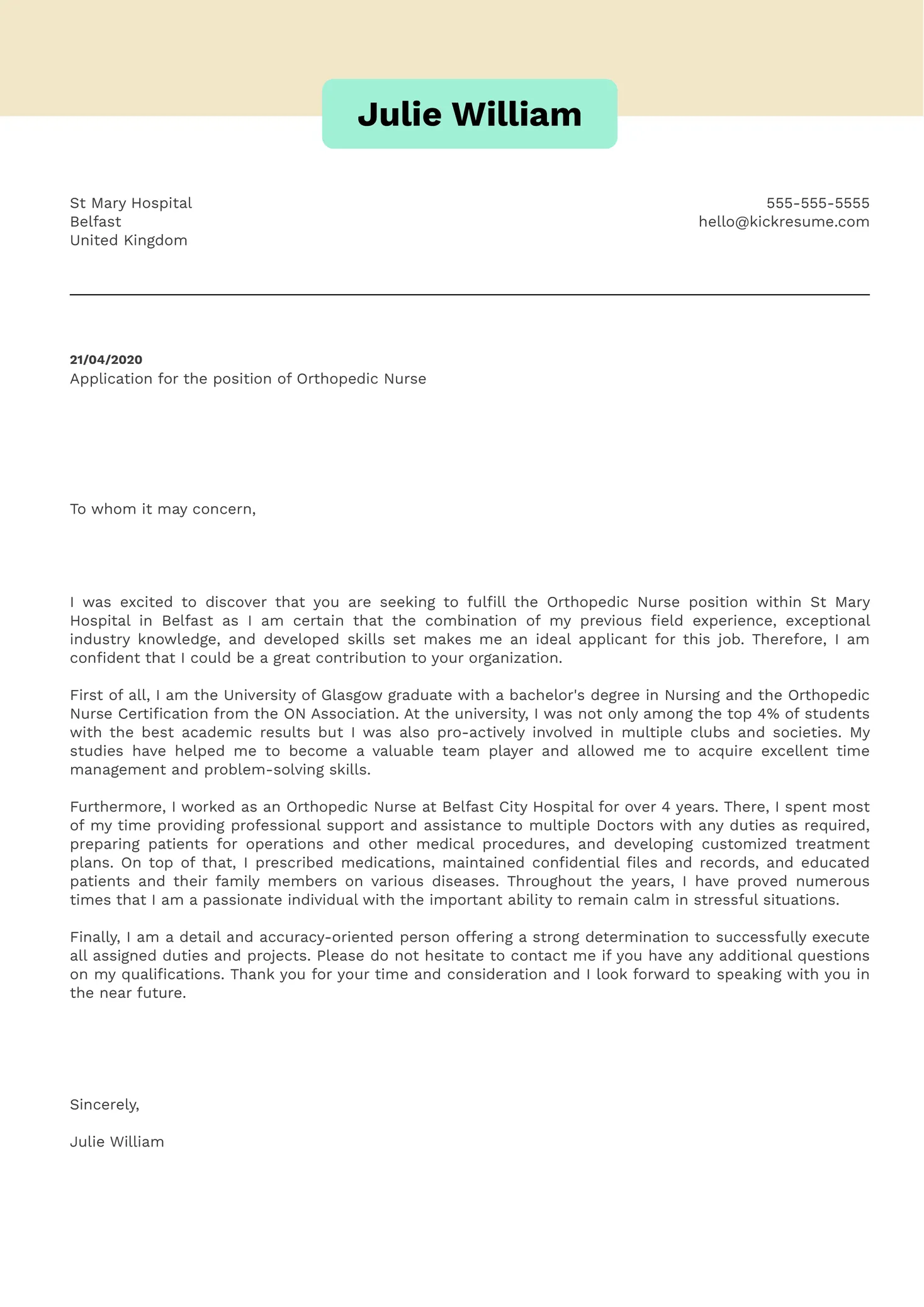
What is a Sample Cover Letter?
A sample cover letter is a crucial document that accompanies your resume when applying for a job. It serves as a personalized introduction, allowing you to highlight your skills, experiences, and enthusiasm for the specific position you are targeting. Unlike a resume, which provides a factual overview of your background, a cover letter enables you to tell a story about why you are the ideal candidate. It’s your opportunity to connect with the hiring manager on a more personal level, demonstrating your understanding of the company’s needs and how you can contribute to their success. A well-crafted sample cover letter sets you apart from other applicants and significantly increases your chances of getting an interview. Remember, a generic cover letter is often discarded. The key is to tailor each letter to the specific job and company.
Key Components of a Sample Cover Letter
A strong sample cover letter comprises several essential elements that work together to create a compelling narrative. These components include your contact information, the recipient’s information, a professional salutation, a captivating opening paragraph, detailed body paragraphs emphasizing your skills and experiences, a persuasive closing paragraph, and a formal sign-off. Each section plays a critical role in presenting you as a qualified and enthusiastic candidate. Omitting any of these elements can weaken your application. For instance, a missing salutation might suggest a lack of attention to detail, while a poorly written opening paragraph could fail to grab the hiring manager’s attention. Therefore, understanding the purpose and effective execution of each component is vital to producing a sample cover letter that impresses potential employers and secures interviews.
Contact Information Section

The contact information section is your introduction to the hiring manager, establishing your identity and providing crucial details for them to reach you. Accuracy and clarity are paramount here. This section typically includes your full name, phone number, email address, and sometimes, your LinkedIn profile URL or personal website. It should be placed at the top of your cover letter, usually aligned to the left or right. Ensure your email address is professional and appropriate; avoid using nicknames or informal addresses. Double-check the phone number to avoid any errors, as this is a direct line for recruiters to contact you. A well-formatted contact information section presents you as organized and prepared, setting a positive first impression.
Applicant’s Name and Contact Details
Your name should be at the top, prominently displayed. Include your phone number, ensuring it’s a reliable contact number. Provide a professional-looking email address. Consider including a link to your LinkedIn profile, if you have one. This gives the recruiter easy access to more information about your professional background. Verify all the information for accuracy before submitting your cover letter. This step is often overlooked but can cause serious problems in your job application.
Recipient’s Information
Addressing the hiring manager by name is a vital part of a well-crafted sample cover letter. Research the hiring manager’s name and title on the company website, LinkedIn, or through a recruiter. If you cannot find the hiring manager’s name, use the title of the person or ‘Hiring Manager’. Always confirm the correct spelling and title to demonstrate your attention to detail. This small effort demonstrates your interest and professionalism, setting a positive tone for the rest of your cover letter and showing that you have taken the time to learn about the company and the role.
The Salutation: Addressing the Hiring Manager

The salutation sets the tone for your entire cover letter. The most professional approach is to address the hiring manager by name, such as ‘Dear Mr. Smith’ or ‘Dear Ms. Jones.’ This personalization shows that you have done your research and are genuinely interested in the position. Avoid generic salutations like ‘To Whom It May Concern,’ as these can make your application seem impersonal. If you are unsure of the hiring manager’s name, ‘Dear Hiring Manager’ is an acceptable alternative. However, always prioritize finding the specific name to make a strong first impression.
Crafting a Compelling Opening Paragraph
The opening paragraph is your chance to grab the hiring manager’s attention and make a memorable first impression. Start by stating the position you are applying for and where you found the job posting. Then, briefly explain why you are a strong fit for the role. Highlight a key skill or achievement that aligns with the job requirements to immediately capture their interest. Be concise and enthusiastic, conveying your excitement for the opportunity. Avoid generic phrases, such as ‘I am writing to express my interest…’ Instead, aim for a statement that is both informative and engaging, making the hiring manager want to read more about you. The goal is to make the hiring manager eager to continue reading your cover letter and learn more about your qualifications and passion for the position.
Highlighting Your Skills and Experiences
The body of your sample cover letter should focus on highlighting your relevant skills and experiences that match the job description. Use specific examples to demonstrate how you have successfully applied these skills in previous roles. Quantify your achievements whenever possible, such as by mentioning specific percentages, numbers, or results you have achieved. Tailor this section to each job application by carefully reviewing the job posting and addressing the key requirements. Clearly illustrate how your experiences have prepared you to excel in the position, providing evidence of your abilities and making a convincing case for your suitability. This approach allows you to clearly demonstrate your ability to contribute to the company’s success.
Tailoring Your Cover Letter to the Job Description

Customization is key. Always tailor your sample cover letter to match the specific requirements outlined in the job description. Analyze the job posting carefully, identifying the key skills, qualifications, and experiences the employer is seeking. Use the same keywords and phrases from the job description in your cover letter to show the hiring manager that you possess the necessary attributes. Providing customized examples that mirror the employer’s needs significantly increases your chances of getting noticed. Generic cover letters show a lack of interest in the specific opportunity. Tailoring the letter demonstrates you understand the role and have the necessary skills and experiences to succeed.
Quantifying Your Achievements
Quantifying your achievements in your cover letter provides concrete evidence of your capabilities and adds credibility to your claims. Use numbers, percentages, and specific metrics to demonstrate the impact you have made in previous roles. For instance, instead of saying ‘Improved sales,’ say ‘Increased sales by 15% in one quarter.’ This approach shows your accomplishments in a clear, measurable way, making your qualifications more compelling. Highlighting your successes provides the employer with tangible proof of your potential value to their organization. Quantifiable results create a more persuasive narrative.
Demonstrating Your Passion for the Role
Demonstrating your passion for the role and the company is critical for making a strong impression on a hiring manager. Show genuine enthusiasm for the opportunity by explaining why you are interested in the specific position and what excites you about the company’s mission, values, or products. Research the company and mention specific aspects that resonate with you. Express how your skills and experiences align with the company’s goals and how you can contribute to their success. Show that you are not just looking for a job but are eager to become a valuable member of their team. This level of engagement can differentiate you from other candidates.
Showcasing Your Cultural Fit

Highlighting your cultural fit demonstrates your ability to integrate into the company’s work environment and collaborate effectively with colleagues. Briefly describe how your personality, values, and work style align with the company’s culture. Research the company’s values and mission statement to understand their priorities and mention any relevant activities or experiences that reflect these values. Showcase your ability to thrive in a team environment, communicate effectively, and adapt to new situations. Demonstrating cultural fit can significantly increase your chances of securing an interview because it shows that you can contribute positively to the company’s atmosphere and goals.
Writing a Strong Closing Paragraph
The closing paragraph of your sample cover letter is the final opportunity to leave a lasting impression. Express your enthusiasm for the opportunity and reiterate your interest in the position. State your availability for an interview and thank the hiring manager for their time and consideration. Keep the tone positive and professional, indicating your anticipation of hearing from them soon. Avoid ending with a simple statement like ‘Thank you.’ Instead, create a clear call to action, prompting the hiring manager to take the next step. A well-crafted closing paragraph reaffirms your interest and reinforces the positive impression you want to create.
Expressing Gratitude and Next Steps
Express your gratitude to the hiring manager for considering your application. State your availability for an interview and mention how they can contact you. End with a professional closing, such as ‘Sincerely’ or ‘Best regards,’ followed by your typed name. Provide any additional contact information needed. Review the entire sample cover letter before submitting your job application. This includes checking for grammar and spelling errors. These small details can help significantly.
Formatting and Proofreading your Sample Cover Letter

Proper formatting and meticulous proofreading are critical components of a successful sample cover letter. A well-formatted letter is easy to read and demonstrates attention to detail. Proofreading ensures that your writing is free of errors, which can significantly impact your credibility. Take the time to format your cover letter correctly and carefully review it before submitting your application. This showcases your professionalism and increases your chances of making a positive impression on potential employers.
Font Choice and Readability
Choose a professional and easily readable font, such as Times New Roman, Arial, or Calibri, with a font size between 10 and 12 points. Use clear and concise language throughout the cover letter, avoiding jargon and overly complex sentence structures. Use appropriate spacing, margins, and paragraph breaks to enhance readability. Maintain a consistent style throughout your document. A well-formatted cover letter that is easy to read helps ensure that your message is clear and that the hiring manager can quickly grasp your qualifications and enthusiasm for the position.
Proofreading for Errors
Carefully proofread your sample cover letter for any grammatical errors, spelling mistakes, or typos. These errors can damage your credibility and create a negative impression. Read your letter multiple times, and consider asking a friend or family member to review it. Ensure that your contact information, the company’s information, and all other details are accurate. Use grammar and spell-checking tools to catch any errors you might have missed. Proofreading is one of the most crucial steps in the cover letter writing process.
Sample Cover Letter Examples

Reviewing sample cover letter examples is an excellent way to get started or to refine your own cover letter. You can find sample cover letters online for many different positions and industries. Use these examples as a guide to help you structure your cover letter and to see how others have highlighted their skills and experiences. Remember to adapt the example to fit your unique qualifications and the specific job you are applying for. Customization is a crucial element for producing a successful sample cover letter. Different types of cover letters are often used depending on the role and industry.
Entry-Level Sample Cover Letter
An entry-level sample cover letter focuses on highlighting your education, internships, volunteer experiences, and any relevant skills. Since you might lack extensive professional experience, emphasize your transferable skills, such as communication, teamwork, and problem-solving. Show enthusiasm for the opportunity and demonstrate your willingness to learn and grow within the company. Tailor the letter to the specific requirements of the entry-level position, showcasing how your skills match the job description, and demonstrate your passion for the industry. This will make your application stand out.
Mid-Career Sample Cover Letter
A mid-career sample cover letter should emphasize your professional achievements and the impact you have made in previous roles. Quantify your accomplishments whenever possible, and showcase your expertise and leadership skills. Highlight your career progression and demonstrate how your experience has prepared you for the targeted position. Tailor the letter to align with the job description and demonstrate your understanding of the company’s needs. This level of detail and industry experience can strengthen your application.
Sample Cover Letter for Specific Industries
Different industries may require specialized cover letter formats or content. For example, a cover letter for a creative role might showcase your portfolio and design skills, while a cover letter for a technical position might highlight your coding skills and project experience. Research industry standards and review examples of successful cover letters specific to your field. Customize your letter to address the unique requirements of the industry and demonstrate that you understand the specific expectations of the role. Tailoring the letter to industry standards demonstrates your professionalism.
Common Mistakes to Avoid in a Cover Letter
Avoiding common mistakes in your cover letter can significantly enhance your application and increase your chances of getting an interview. Some of the most common pitfalls include using generic language, failing to tailor your letter to the specific job, including excessive information, and making grammatical or spelling errors. By being aware of these common mistakes and taking steps to avoid them, you can create a sample cover letter that is both effective and professional. Pay attention to detail and take the time to proofread your letter carefully before submitting it.
- Using generic, non-specific language that could apply to any job.
- Failing to tailor your letter to the specific job and company.
- Including excessive information that is not relevant to the position.
- Making grammatical errors, spelling mistakes, or typos.
- Using an unprofessional or informal tone.
- Addressing the letter to ‘To Whom It May Concern’ instead of finding a specific name.
- Focusing solely on your needs rather than the employer’s.
- Not proofreading the letter before submitting it.
- Exceeding the recommended length of one page.