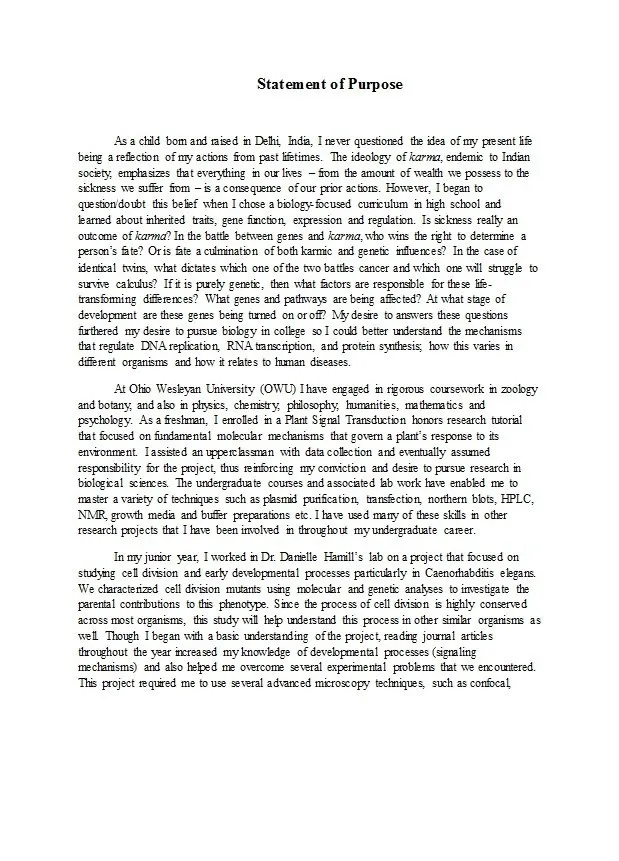
Understanding the Statement of Purpose
The statement of purpose, often abbreviated as SOP, is a crucial document in the application process for various academic programs, scholarships, and even some professional opportunities. It serves as your introduction to the admissions committee or selection board, providing them with a comprehensive overview of your background, aspirations, and why you are a suitable candidate. A well-crafted SOP can significantly influence the decision-makers, showcasing your potential and passion, and ultimately increasing your chances of acceptance. Writing a compelling statement requires careful planning, introspection, and a clear understanding of the program’s requirements and your own objectives. This guide will walk you through the key aspects of crafting a winning statement of purpose.
What is a Statement of Purpose
At its core, a statement of purpose is a narrative essay that presents you, the applicant, to the selection committee. Unlike a resume, which provides a factual account of your accomplishments, the SOP allows you to tell your story. It offers an opportunity to elaborate on your experiences, explain your motivations, and demonstrate your suitability for the specific program or opportunity. It is a chance to showcase your personality, your unique skills, and your ability to articulate your goals. Think of it as a conversation starter, where you present yourself and persuade the reader that you are a strong candidate. This is your opportunity to make a lasting impression, so make every word count and ensure you’re presenting the best possible version of yourself.
The Purpose of a Statement of Purpose

The primary purpose of an SOP is to demonstrate your fit for the program or opportunity. It allows you to articulate your academic or professional goals, explain why you are interested in the specific program or institution, and highlight how your background and experiences have prepared you for success. It also helps the selection committee understand your motivations and aspirations. It provides a platform to explain any gaps in your resume, such as career changes, or to address any extenuating circumstances that might have affected your academic performance. Ultimately, the SOP aims to convince the selection committee that you are a good match for their program and that you have the potential to thrive and contribute meaningfully to their community. The statement should be a clear and concise reflection of your objectives and potential.
Key Components of a Powerful Statement
A strong statement of purpose is characterized by several key components that work together to create a compelling narrative. The ideal SOP should be well-structured, authentic, and tailored to the specific program or opportunity. It should reflect your personality, aspirations, and how your past experiences have shaped your goals. By addressing each of these sections thoughtfully, you can construct a statement of purpose that captures the attention of the selection committee and strengthens your application. Remember to keep your audience in mind and tailor your approach to the specific program you are applying to. Consider what elements they might find most compelling, and then weave those aspects into your overall narrative.
Personal Background and Experiences
Begin by providing a brief overview of your background and experiences that have shaped your interests and aspirations. This could include significant events, challenges you have overcome, or experiences that have influenced your career path. Focus on the experiences that have contributed to your professional and academic goals. Briefly touch on pivotal moments that sparked your interest in the field of study. Frame your narrative in such a way that it introduces your desire to pursue further education. Always connect your past experiences to your future goals. Demonstrating this connection helps paint a cohesive picture of who you are and where you want to go.
Academic and Professional Journey

Provide details about your academic and professional journey, highlighting your achievements, skills, and experiences relevant to the program. This includes your education, research, work experience, and any other activities that demonstrate your capabilities. Mention specific projects, publications, or accomplishments that showcase your abilities and potential. Quantify your achievements whenever possible using metrics. For example, if you managed a team, mention the size of the team and the project’s success. It’s important to emphasize how your skills and experiences make you a good fit for the program. Mention any training, workshops or certifications that add value to your application.
Goals and Aspirations
Clearly articulate your goals and aspirations, both short-term and long-term. Explain what you hope to achieve through this program and how it aligns with your overall career objectives. Describe your plans after graduation and how the program will help you reach those goals. Be specific about your future aspirations. Avoid vague statements about wanting to “make a difference.” Instead, provide concrete examples of how you envision using your education and experience to contribute to your field. If you have research interests or specific areas of study, be sure to mention them as well. The clearer you are about your objectives, the more convincing your statement of purpose will be.
Why This Program and University
Demonstrate your understanding of the program and university by explaining why you chose this particular program and institution. Research the program’s curriculum, faculty, research opportunities, and unique aspects that appeal to you. Mention specific faculty members whose research interests align with yours, and explain how the program’s resources and opportunities will help you achieve your goals. Explain what you want to take from this program. Avoid generic statements. Instead, show that you have done your research and that you have a genuine interest in the program and the university’s offerings. Highlighting this will show that you’re a good fit.
Demonstrating Your Suitability

When writing your SOP, it is essential to showcase how your skills, experiences, and goals align with the program’s requirements and objectives. This alignment demonstrates that you are a suitable candidate and that you have a clear understanding of the program’s focus. Highlighting relevant skills is an essential part of convincing the selection committee that you have the potential to succeed. By carefully tailoring your statement to the specific program, you can significantly increase your chances of being accepted. Make sure to match up your skills with the program requirements to show why you would be a great fit.
Highlighting Relevant Skills and Experiences
Identify and highlight the skills and experiences most relevant to the program you are applying for. These could include technical skills, research experience, leadership abilities, or any other skills or experiences that will demonstrate your aptitude for the program. Don’t just list your skills; provide specific examples of how you have used them in the past and how you plan to apply them in the future. Back up your claims with evidence. Quantify your achievements whenever possible. For example, if you have experience in project management, provide details about the scope and outcome of the project. This helps demonstrate your ability to deliver results.
Research and Preparation
Thorough research and preparation are crucial for crafting a compelling statement of purpose. This involves understanding the program’s requirements, the university’s values, and the expectations of the selection committee. This groundwork will enable you to write a statement that is tailored, focused, and persuasive. Research the university, the program, and any specific faculty members whose work interests you. Understand the program’s curriculum, research opportunities, and any specializations offered. Tailor your statement to the specific program, addressing its unique aspects and highlighting your relevant skills and experiences. Showing that you have taken the time to research will show that you are genuinely interested.
Structuring Your Statement of Purpose

The structure of your statement of purpose is critical for conveying your ideas effectively. A well-structured SOP has a clear introduction, well-developed body paragraphs, and a strong conclusion. It should be logical, easy to follow, and persuasive. The structure needs to flow in a way that makes it easy for the reader to follow and understand your goals. It is important that the statement is organized and easy to follow, as this is another way to show that you’re the right candidate for the program. This structure enables the selection committee to quickly grasp your key points and assess your suitability for the program. Make sure to be concise, and avoid unnecessary information or redundancy.
Writing an Engaging Introduction
The introduction should immediately grab the reader’s attention and clearly state your purpose for writing the statement. This is your opportunity to make a strong first impression, so make it count. Start with a hook that will capture the reader’s interest. This could be a compelling anecdote, a thought-provoking question, or a statement of your passion for the field. Clearly state your interest in the program and briefly mention your key qualifications and goals. Keep it concise. The introduction should set the stage for your essay, providing a preview of what the reader can expect. Avoid generic openings that do not reveal anything about you. Instead, make it personal to you.
Developing Body Paragraphs
The body paragraphs should provide detailed information to support your claims and demonstrate your suitability for the program. Each paragraph should focus on a specific aspect of your background, skills, or goals. Use strong topic sentences to introduce the main idea of each paragraph. Provide supporting evidence, such as examples, experiences, and achievements, to back up your claims. Make sure to link each paragraph with transitional sentences to ensure a smooth flow. The transitions will make the whole statement of purpose feel cohesive. Develop your ideas fully, providing enough detail to demonstrate your capabilities and potential. Avoid vague statements; instead, provide specific examples and concrete evidence.
Crafting a Compelling Conclusion

The conclusion should summarize your key points and reiterate your interest in the program. It should leave a lasting impression on the reader and reinforce your suitability for the program. Briefly summarize your key qualifications and goals. Reiterate your interest in the program and express your enthusiasm for the opportunity. End with a strong statement that reflects your passion and commitment to the field. Avoid introducing new information or ideas in the conclusion. Make sure it is concise and memorable. The conclusion is your last chance to convince the reader that you are the perfect fit for the program, so ensure it is well-crafted and impactful.
Tips for Effective Writing
Effective writing is crucial for conveying your ideas clearly and persuasively in your statement of purpose. This involves using strong verbs, avoiding passive voice, and employing compelling storytelling techniques. By following these tips, you can create a statement of purpose that will resonate with the selection committee. Remember, the goal is to express yourself effectively and leave a lasting impression. Make sure that the flow of the statement makes sense and is also engaging. Following these writing tips can help you create an effective and compelling SOP. Always consider the needs of your audience and make your writing approachable.
Using Strong Verbs and Active Voice
Use strong verbs and active voice to create a dynamic and engaging narrative. Strong verbs convey your actions and accomplishments more effectively than weak verbs. Active voice makes your writing more direct and concise. This will make your writing more engaging. Avoid using passive voice. Instead, focus on what you have done and what you want to do. Strong verbs and active voice will make your writing clearer, more impactful, and more engaging. When possible, use action verbs to describe your accomplishments.
Show, Don’t Tell

Demonstrate your skills and experiences through specific examples and anecdotes rather than just stating your qualifications. Instead of simply saying you are a good leader, provide an example of a project where you led a team to success. Instead of telling the reader you are passionate about the field, explain the experiences or events that sparked your interest. This will allow the reader to understand you better. This approach makes your statement more engaging and memorable. By showcasing your capabilities through concrete examples, you add credibility to your claims and create a more compelling narrative.
Proofreading and Editing
Proofreading and editing are essential steps in the writing process, ensuring that your statement is free of errors and polished. This step involves carefully reviewing your statement for grammar, spelling, punctuation, and clarity. A well-edited statement of purpose demonstrates your attention to detail, professionalism, and respect for the application process. Set aside time to revise your SOP. Proofreading and editing should be done in multiple stages. Ask someone else to review your statement for feedback. Make sure to check every part of the statement.
Proofreading and Editing
Thoroughly proofread your statement for any grammatical errors, spelling mistakes, and punctuation errors. Use a grammar checker tool, but also read through your statement carefully yourself. Check for any inconsistencies in your writing style. Ensure that your sentences are clear, concise, and easy to understand. The goal is to make the statement of purpose polished and professional. A statement with errors will leave a negative impression. Proofreading is the final step in refining your statement of purpose. After you have written your statement of purpose, take a break. It’s best to review the statement with fresh eyes. This will help you to spot errors that you might otherwise have missed.
Common Mistakes to Avoid

Avoid common mistakes that can undermine your statement of purpose and detract from your application. These mistakes can include generic statements, lack of specificity, and grammatical errors. Be sure to take your time, and address these potential issues. These are the common issues that you should avoid.
Generic Statements
Avoid using generic statements that could apply to any applicant. Your statement of purpose should be unique and showcase your individuality. Avoid clichés, common phrases, and phrases that do not provide much information about you. Tailor your statement to the specific program. Instead, focus on what makes you a unique candidate. Highlight experiences, skills, and achievements that are relevant to the program and demonstrate your genuine interest.
Lack of Specificity
Provide specific details and examples to support your claims. Avoid vague statements that do not provide concrete information. Instead of simply saying you have leadership skills, describe a situation where you demonstrated those skills. Provide concrete examples, data, and evidence to back up your assertions. This makes your statements more credible and memorable. The more specific you are, the better. The reader should be able to picture what you describe, so give as much detail as possible.
Grammatical Errors and Typos
Ensure that your statement is free of grammatical errors, spelling mistakes, and typos. These errors can detract from your credibility and professionalism. Proofread your statement carefully. Utilize grammar checking tools, but also proofread your work yourself. Ask a friend, family member, or mentor to review your statement for errors. Take the time to ensure your statement is polished and error-free. The reader is looking for ways to cut your application, and mistakes are the easiest way to do that.
Finalizing and Submitting Your Statement
After you have written, edited, and proofread your statement of purpose, it’s time to finalize and submit your application. This process involves carefully reviewing your statement, making any final revisions, and ensuring that you meet all the application requirements. Following these steps will help you submit a polished and compelling statement. Make sure to triple-check everything to ensure it is perfect before submitting it to the school or organization.
Review and Revision
Before submitting your statement of purpose, review it thoroughly. Check for any remaining errors or inconsistencies. Ensure that your statement meets the length requirements. Confirm that you have addressed all the required prompts. Have a friend, family member, or mentor review your statement for feedback. Take this opportunity to revise your statement and make any necessary improvements. This final review and revision process will help ensure that your statement is polished and presents you in the best possible light. Make sure the statement is perfect.
Submitting Your Application
Submit your application according to the instructions provided by the program or institution. Make sure to meet all the deadlines and requirements. Double-check that all your documents are correctly uploaded. Keep a copy of your application materials for your records. Be sure to follow all application instructions. Make sure you are certain about your submission. Submitting your application on time will help ensure that it is considered. This is the final step in the application process, so make sure you take it seriously.