Understanding the Importance of a Student Cover Letter
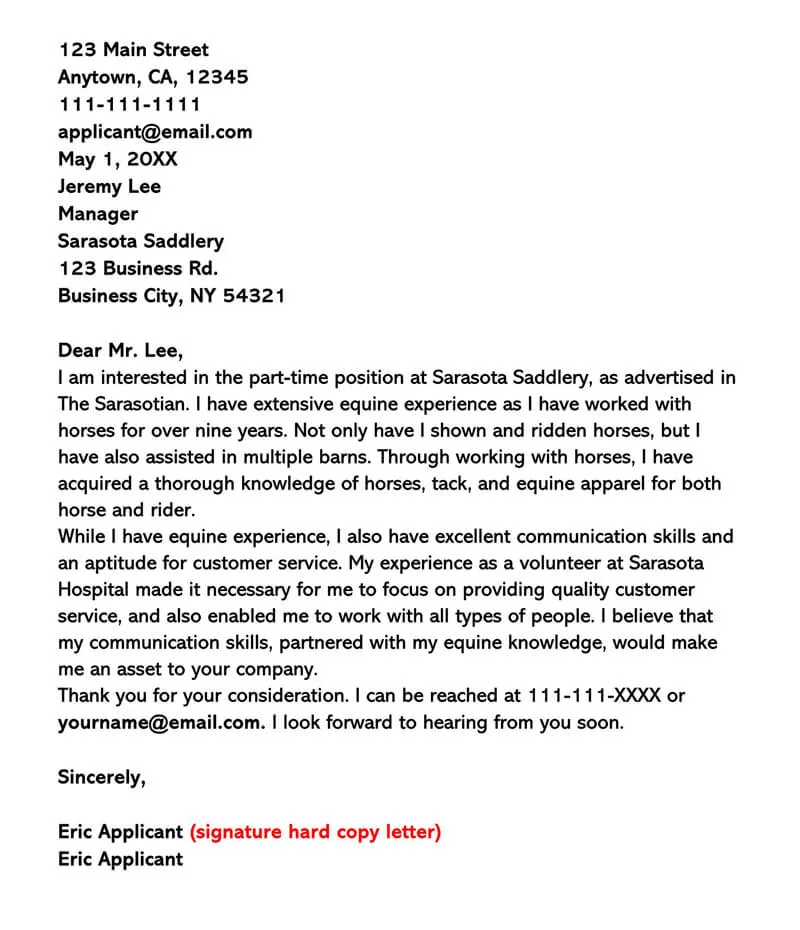
As a student navigating the job market, a well-crafted cover letter is your first impression. It’s the crucial document that introduces you to potential employers, showcasing your personality, skills, and enthusiasm. Unlike a resume, which provides a snapshot of your qualifications, a cover letter allows you to tell a story, explaining why you’re the ideal candidate for a part-time job. It demonstrates your communication skills, attention to detail, and genuine interest in the position, making you stand out from other applicants. With stiff competition, a compelling cover letter can be the difference between getting an interview and your application ending up in the rejection pile. This is why putting time and effort into perfecting your cover letter is critical.
Key Components of a Student Cover Letter
A student cover letter, while concise, must include several essential elements. These components work together to create a persuasive and professional document. You should include your contact information, the date, and the employer’s details. A compelling salutation to grab the reader’s attention, then the body should highlight your skills and experiences, mention academic achievements, and demonstrate your enthusiasm. Finish with a strong closing and a professional sign-off. Ensure that your cover letter is well-formatted, easy to read, and free of any grammatical or spelling errors. Each section of your cover letter should serve a purpose, contributing to the overall message of why you’re the right fit for the job. Careful attention to these key components will ensure your cover letter effectively communicates your value and interest.
Your Contact Information

At the top of your cover letter, provide your full name, phone number, email address, and optionally, your LinkedIn profile URL. Ensure that your email address is professional and reflects your name. The contact information must be accurate, as this is how the employer will reach you to schedule an interview. Presenting this information clearly and prominently helps the hiring manager quickly find your details. Double-check your contact information to avoid any errors that could cause you to miss out on an opportunity. Keeping your contact details easily accessible is essential for a seamless application process.
The Date and Employer Information
Below your contact information, include the date and the employer’s details. Start with the current date, then list the hiring manager’s name (if known), their title, the company name, and the company’s address. Use a formal tone when addressing the employer and ensure all the details are correct. Researching the company’s address and the hiring manager’s name shows your attention to detail and initiative. If the name of the hiring manager is not available, address the letter to the hiring team or use a general title like ‘Hiring Manager’. Accurate and respectful formatting of this section demonstrates your professionalism and commitment.
A Compelling Salutation
Your salutation sets the tone for your cover letter. Use ‘Dear Mr./Ms./Mx. [Last Name]’ if you know the hiring manager’s name. If the name isn’t available, options include ‘Dear Hiring Manager,’ or ‘Dear [Department Name] Team.’ Avoid overly casual greetings. The salutation should be tailored to the specific job and company. A personalized salutation shows that you’ve taken the time to learn about the employer, and it adds a touch of professionalism. By addressing the reader appropriately, you create a positive first impression and encourage them to read further.
Showcasing Your Skills and Experiences
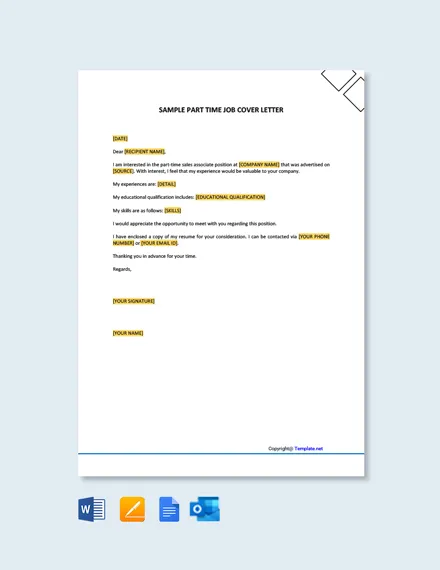
The body of your cover letter is where you connect your skills and experiences to the job requirements. Focus on how your qualifications align with the role’s demands. Even if you lack extensive work experience, highlight your transferable skills, such as communication, teamwork, time management, and problem-solving. Use examples from your academic projects, extracurricular activities, or volunteer work to illustrate these skills. Quantify your accomplishments whenever possible; for instance, mention the number of people you worked with on a project or the results you achieved. Providing concrete evidence of your abilities proves to the employer that you can deliver results.
Highlighting Relevant Skills
Identify the skills most relevant to the job description and emphasize them in your cover letter. These can include both hard and soft skills. For instance, if the job requires customer service, mention any experience in dealing with the public. If the job involves data entry, highlight your attention to detail and accuracy. If the job is team-based, describe a time you collaborated effectively with others. Use action verbs like ‘managed,’ ‘coordinated,’ ‘assisted,’ or ‘developed’ to describe your contributions. By focusing on relevant skills, you quickly demonstrate to the employer how you can contribute to their team’s success.
Mentioning Academic Achievements
Your academic achievements demonstrate your intelligence, work ethic, and ability to learn. Mention any relevant coursework, projects, or academic awards that align with the job requirements. If you have a high GPA, consider including it, or mention any academic distinctions like Dean’s List or honors. If you’ve written a research paper or completed a significant project related to the job, briefly describe it and how it showcases your abilities. Your academic performance demonstrates your potential and your ability to handle responsibilities. This can make a significant impact on your application.
Tailoring Your Cover Letter

Customize your cover letter for each job application. A generic cover letter that is sent to many companies does not impress employers. Review the job description carefully and identify the key requirements. Then, adjust your letter to address these specific needs. Include relevant keywords from the job posting, and tailor your examples to demonstrate how your skills and experiences match the employer’s expectations. Customizing the letter shows that you have researched the role and are genuinely interested in the opportunity. A well-tailored cover letter is more likely to get you noticed.
Researching the Job and Company
Before writing your cover letter, research the job and the company. Understand the role’s responsibilities, required skills, and the company’s culture. Browse the company’s website, social media profiles, and any news articles about the company. This research allows you to tailor your cover letter and address the specific needs of the employer. Mentioning aspects of the company that resonate with you, such as their values or mission, shows your genuine interest. This shows that you are engaged and interested in the position and the company, which can make your application more memorable.
Addressing the Specific Job Requirements
Carefully review the job description and identify the specific requirements. The cover letter should directly address these requirements. For instance, if the job requires experience with specific software, describe your experience with that software. If the job asks for communication skills, provide an example of a situation where you communicated effectively. Use the language and keywords from the job description to show that you understand the role and that you possess the necessary qualifications. By directly addressing these requirements, you increase the chances of showing your suitability for the position.
Expressing Enthusiasm and Interest

Show your enthusiasm and genuine interest in the job. Express your excitement about the opportunity and the company. Explain why you want to work there and what motivates you. Your cover letter is an opportunity to show off your personality. You can express your excitement about the company’s mission, values, or products. A display of passion and enthusiasm can make a strong impression. Your genuine excitement makes the reader more interested in you and increases your chances of getting an interview. Let your enthusiasm shine through and show your passion for the opportunity.
Writing a Strong Closing
Your closing is a key part of the cover letter, so finish strong. Reiterate your interest in the position and thank the employer for their time and consideration. Include a call to action, such as ‘I look forward to the opportunity to discuss my qualifications further in an interview.’ or ‘I am eager to learn more about this opportunity.’ Include your phone number and email address one more time for easy reference. End with a professional closing, such as ‘Sincerely,’ or ‘Best regards,’ followed by your full name. A strong closing reinforces your message and leaves the reader with a positive impression.
Proofreading and Editing
Before submitting your cover letter, proofread and edit it thoroughly. Correct any grammatical errors, spelling mistakes, or typos. Ensure the letter is well-organized, easy to read, and flows logically. Use a grammar and spell-checking tool, but also read the letter aloud to catch any awkward phrasing. Ask a friend, professor, or career advisor to review your letter for feedback. A polished, error-free cover letter demonstrates your attention to detail and professionalism. Proofreading and editing are crucial steps that can greatly improve your chances of success.
Formatting Your Cover Letter

Format your cover letter professionally. Use a standard font like Times New Roman, Arial, or Calibri, with a font size between 10 and 12 points. Use single spacing within paragraphs and double spacing between paragraphs. Align the text to the left, with the contact information, date, and employer information at the top. Keep your cover letter concise, ideally no longer than one page. Use clear headings and bullet points where appropriate to make your information easy to read. A well-formatted cover letter is visually appealing and easy to navigate, making a positive impression on the employer.