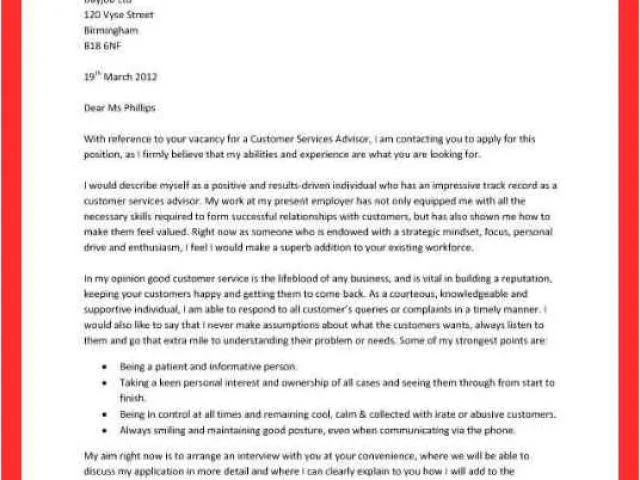
In the competitive landscape of job applications, your cover letter is your first impression. A ‘T Shape Cover Letter’ offers a strategic approach to presenting yourself effectively, highlighting your skills and experience in a way that captures the recruiter’s attention. This guide provides 10 essential tips to help you craft a compelling T Shape Cover Letter that significantly increases your chances of landing an interview. By understanding and implementing these strategies, you can transform your cover letter from a generic formality into a powerful tool that showcases your unique value proposition. Ready to learn how to impress?
What is a T Shape Cover Letter
The ‘T Shape Cover Letter’ is a modern cover letter approach that emphasizes both breadth and depth. The vertical bar of the ‘T’ represents your deep expertise and specific skills in a particular area (e.g., marketing, software development, project management). The horizontal bar signifies your broad understanding of other related areas, making you a well-rounded candidate. This method allows you to present a clear picture of your primary skills while also demonstrating your versatility and adaptability. This approach is particularly beneficial in today’s job market, where employers seek candidates who can contribute in multiple ways.
Understanding the T Shape Cover Letter Approach
To effectively implement the T Shape Cover Letter strategy, it’s crucial to understand the core concept. It involves first identifying your primary skills and areas of expertise, the ‘deep’ part of the T. Next, you highlight your related skills and experiences, showing your understanding of various disciplines. This balanced approach makes it easier for the employer to understand how you can contribute to their company. Consider your resume as a foundation. Your cover letter is where you build upon this foundation, showcasing your personality and connecting your skills with the job requirements.
Why Use a T Shape Cover Letter

The T Shape Cover Letter stands out from traditional cover letters. It moves beyond a simple recitation of your resume and provides employers with a clear, concise summary of your capabilities. In a crowded job market, this method can help differentiate you from other candidates by emphasizing not only your specific skills but also your ability to adapt and contribute to broader organizational goals. It signals that you’re more than just a specialist; you’re a well-rounded professional ready to tackle different challenges. For example, it shows that you can fit in any team.
Benefits of the T Shape Cover Letter
Using the T Shape Cover Letter strategy offers multiple advantages. It immediately demonstrates your adaptability and versatility, crucial in today’s evolving job market. Your potential to understand and contribute to multiple aspects of a project can be easily highlighted. This approach also enhances your marketability by showcasing a deeper understanding of your role and the broader business context. It helps you to create a more memorable, personalized impression that is a must to get to the interview phase.
Tip 1 Tailor Your Cover Letter
One of the most important tips is to customize your cover letter for each job. A generic cover letter is easy to spot and is rarely successful. Instead, carefully review the job description and match your skills and experience. Tailoring also means using the company’s language and reflecting its values. If the job posting focuses on teamwork, emphasize your collaborative abilities. If it highlights innovation, showcase your creative problem-solving skills. This tailoring process shows you’ve taken the time to understand their needs.
How to Tailor Your Letter

Tailoring starts with thoroughly researching the company and the specific role. Understand their mission, values, and recent initiatives. Identify keywords used in the job description and incorporate them into your letter. Use specific examples from your past to demonstrate how you’ve used those skills. Show how your experience aligns with the company’s objectives and how you can contribute to its success. You will give the first impression that you are a perfect fit.
Tip 2 Highlight Relevant Skills
While tailoring your cover letter, focus on the skills most relevant to the job. Don’t just list your skills; show how you’ve applied them in previous roles. Employers want to see more than just what you can do; they want to know how you’ve delivered results. Prioritize the skills mentioned in the job description. Use action verbs and provide context to demonstrate your capabilities. Use the T-shape approach. Highlight both your key skills and your broader skills that support the role.
Identifying Your Skills
Start by reviewing your resume and identifying your key skills. Think about the skills you’ve used in your previous roles that match the job requirements. Consider both hard and soft skills, from technical abilities to communication skills. List these skills and then identify specific examples where you’ve successfully applied them. Use the STAR method (Situation, Task, Action, Result) to structure your examples, making them clear, concise, and compelling. Make a list to use it later.
Demonstrating Skills with Examples

Provide specific examples to prove your skills. Instead of saying ‘I’m a good communicator,’ describe a situation where you successfully presented a complex project to stakeholders. Did you increase efficiency or save money? Quantify your achievements whenever possible. This makes your claims more credible and memorable. Avoid vague statements, like ‘I have experience with project management.’ Instead, show what you have done by providing examples and the result you achieved.
Tip 3 Showcase Your Personality
Your cover letter is an opportunity to show your personality. While professionalism is important, a little bit of your personality can make you more memorable. It helps the employer understand who you are beyond your skills. This is your chance to inject your unique voice, but you have to keep it professional. Your personality may not seem that important, but in a competitive environment, the little details make the difference.
How to Inject Personality
Use a warm, conversational tone. Share a brief anecdote or express your enthusiasm for the role or company. Show your enthusiasm for the company’s mission or culture. However, always maintain a professional tone. Avoid slang, overly casual language, or controversial topics. Keep your focus on the company’s needs. Make sure your personality shines through. This can include your genuine interest in the role and the company.
Tip 4 Quantify Your Achievements

Use numbers to measure the impact of your contributions. Quantifiable achievements are much more persuasive than general statements. Numbers provide concrete evidence of your abilities. Instead of saying ‘Improved sales,’ state ‘Increased sales by 20% in one quarter.’ Always measure your performance, it is an easy way to impress the recruiter. This includes showing how much you have brought to your current or previous companies, by using numbers.
The Importance of Numbers
Quantifying your accomplishments shows the employer your impact. It helps them see the value you bring to their organization. Make sure to include quantifiable results. Were you able to increase the revenue? Were you able to solve a difficult problem? Did you optimize a process to improve efficiency? Use numbers, percentages, and specific figures. This makes your achievements more tangible. Keep it clear and simple, it increases your chances of landing the job.
Tip 5 Keep it Concise
Cover letters should be concise. Employers are busy and often have limited time. Aim for one page. Get straight to the point and avoid unnecessary details. Focus on the most relevant information. Keep your sentences and paragraphs short. Use clear language and avoid jargon. Ensure your cover letter is easy to read and scan. This demonstrates respect for the reader’s time. It improves the overall impression, allowing you to convey your message.
Best Practices for Brevity
Prioritize the most important information. Use bullet points or short paragraphs. Eliminate any unnecessary words or phrases. Use active voice and strong verbs. Review your cover letter for any wordiness. Ask a friend or colleague to review your letter. Ask for feedback. Ensure it is concise and to the point. The more concise your cover letter, the better.
Tip 6 Use Keywords Strategically
Use keywords from the job description throughout your cover letter. This is crucial for passing through applicant tracking systems (ATS). It also shows your understanding of the role and the company’s needs. Keywords help you make the right impression on the human recruiter. Be careful not to overdo it. Make sure the keywords fit naturally within your writing. The reader will recognize the keywords used for the job description.
Finding and Using Keywords
Carefully review the job description. Identify the most important skills, qualifications, and responsibilities. Use these keywords in your cover letter. Integrate these keywords naturally within the sentences. Focus on relevant keywords. Make sure the keywords are used correctly. Your keywords should be in the same order in which the recruiter is searching for. You should avoid keyword stuffing because it is a huge turn off to recruiters.
Tip 7 Focus on the Employer’s Needs

Always align your cover letter with the employer’s needs. Show them how you can solve their problems and contribute to their goals. Frame your skills and experience in terms of how they benefit the company. Highlight your understanding of the company’s mission and values. Address what the employer wants. Use specific examples of how your skills and experience meet their specific needs. Make sure the employer sees you as someone who can bring value to their company.
Researching the Company
Research the company to understand their mission, values, and recent projects. Use their website, social media, and news articles. Tailor your cover letter to show you understand their needs. The more you know about the company, the better you can demonstrate how you can contribute. This also gives the recruiters a good impression. This is one of the most effective ways to get noticed.
Tip 8 Proofread Meticulously
Proofread your cover letter. Errors can undermine your credibility. Always check for grammar, spelling, and punctuation errors. This is a must. A well-proofread cover letter shows attention to detail. It shows you are professional. Take your time to review your writing. This is the best way to show the recruiters that you are the right person for the job. Proofreading should always be done before submitting your application.
Common Proofreading Mistakes

Common mistakes include spelling errors, grammatical errors, and typos. Check for inconsistencies. Use a grammar checker. Read your cover letter aloud. This can help you catch mistakes. Ask a friend or colleague to review your letter. Fresh eyes can often spot errors that you’ve missed. The more you review your work, the less errors there will be.
Tip 9 Follow Up Effectively
Follow up can show your interest and initiative. It helps you to get noticed. Send a follow-up email a week or two after submitting your application. Keep your follow-up email short. Thank the hiring manager for their time. Reiterate your interest in the role. Briefly mention a key skill or achievement. Always be polite. Do not overwhelm the hiring manager with emails, they may see you as someone unprofessional.
When and How to Follow Up
Follow up approximately one to two weeks after your application. If you’ve heard nothing, you can send a polite email. Mention the role. Thank the hiring manager for their time. Reiterate your interest. Keep your email concise. Respect their time and decisions. Make sure that it is brief.
Tip 10 Format for Readability
Make sure your cover letter is easy to read. Recruiters will be more likely to read your cover letter. Use clear formatting. Use a professional font. Use a standard font size. Use enough white space. This improves readability. Keep your paragraphs short. This is one of the best and easier ways to impress the reader.
Formatting Best Practices
Use a standard font such as Arial or Times New Roman. Use a font size between 10 and 12 points. Use single spacing. Use white space between paragraphs. Keep your paragraphs short. Use bullets for lists. This helps the recruiter to see your points more clearly. Make sure your document is clear and organized. This is an easy way to make the best impression.
Conclusion
Crafting a compelling T Shape Cover Letter is about more than just listing your skills. It is a strategic way to present your experiences. By following these ten tips, you can create a cover letter that captures attention. By tailoring your letter, highlighting your skills, showcasing your personality, and quantifying your achievements, you will stand out from other applicants. Remember to always proofread, use keywords strategically and keep it concise. This way you are on the right track. With the right approach, you can significantly increase your chances of landing your dream job.