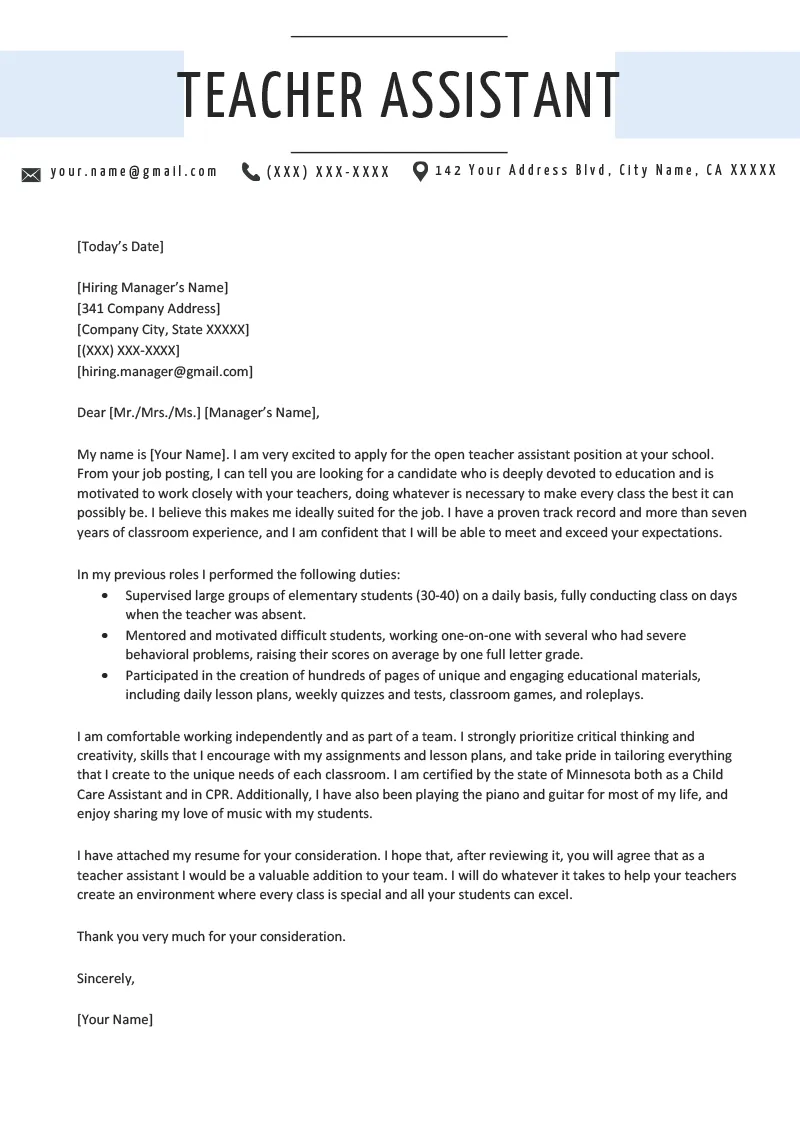
Crafting a Teacher Cover Letter That Shines
In the competitive world of education, a well-crafted teacher cover letter is your first opportunity to make a lasting impression on potential employers. It’s not just a formality; it’s a crucial tool that allows you to showcase your unique qualifications, passion for teaching, and suitability for the specific role and school. A standout cover letter can significantly increase your chances of landing an interview and ultimately, securing your dream teaching position. It’s the chance to go beyond the resume and connect with the hiring committee on a more personal and professional level, demonstrating why you are the perfect fit for their school community.
Understanding the Importance of a Cover Letter
A cover letter serves as a vital introduction, expanding on the information provided in your resume. It allows you to express your personality, articulate your teaching philosophy, and highlight your relevant experience in a way that a resume alone cannot. A strong cover letter provides a narrative, connecting your skills and experiences to the specific needs and values of the school. It demonstrates your enthusiasm for the position and the school, showing that you’ve taken the time to understand what they are looking for. The cover letter is an active voice in the application.
Why a Cover Letter Matters for Teachers

For teachers, a cover letter is particularly important because it allows you to articulate your educational philosophy and teaching style. You can explain how you create a positive and engaging classroom environment, manage student behavior, and differentiate instruction to meet the needs of all learners. It’s your chance to demonstrate your understanding of child development, curriculum design, and assessment methods. It’s also the place where you can highlight any special skills or experiences, such as experience with specific technologies, curriculum models, or student populations. A compelling cover letter proves you are more than just a list of qualifications; you’re a passionate educator ready to make a difference.
Key Elements of a Strong Teacher Cover Letter
A successful teacher cover letter is more than just a retelling of your resume; it’s a strategic document that presents you as the ideal candidate. It should be clear, concise, and tailored to the specific job and school. Highlighting your experience, skills, and passion for teaching is essential. A strong cover letter shows, don’t just tell. Provide examples of how you have applied your skills and achieved positive results in previous teaching roles. Use action verbs to describe your accomplishments and quantify your achievements whenever possible. Finally, pay attention to the overall tone of your letter, making sure it reflects your personality and teaching style.
Personalized Greeting and Introduction
Start by addressing the hiring manager or principal by name. Research the school and find out who is in charge of hiring; this shows you’ve taken the initiative. Your introduction should immediately grab the reader’s attention by stating the specific position you are applying for and briefly explaining why you are a good fit. Clearly state the position and where you saw the advertisement. Express your enthusiasm for the opportunity and the school. This opening sets the tone for the rest of your letter and encourages the reader to continue. If you have a personal connection with the school or a faculty member, you can briefly mention it here, but make sure it’s relevant to the application.
Highlighting Relevant Experience

Choose the most relevant experiences that align with the job description. Focus on your achievements and results. Quantify your accomplishments whenever possible. For example, instead of saying ‘Improved student test scores,’ say ‘Increased student test scores by 15% within one academic year.’ Provide specific examples of how you have successfully managed a classroom, developed engaging lesson plans, or collaborated with colleagues. Use action verbs to describe your responsibilities and the impact of your work. Be sure that the experience is relevant to the school and its particular needs and objectives. If you have any unique or exceptional experience that can make you stand out, highlight it in this section.
Showcasing Skills and Achievements
This section is where you demonstrate your abilities. Don’t just list your skills; provide examples of how you have used them effectively. For example, if you’re skilled in classroom management, describe a situation where you successfully handled a difficult student or a challenging classroom situation. Highlight your achievements, such as awards, recognitions, or successful projects you have led. Emphasize skills that align with the job requirements, such as curriculum development, assessment, differentiation, and use of technology in the classroom. Provide evidence of your ability to create a positive learning environment, build rapport with students, and foster a collaborative classroom culture.
Demonstrating Passion for Teaching
Passion is contagious, and this section is where you let your enthusiasm shine through. Express your genuine love for teaching and your commitment to student success. Discuss your teaching philosophy, your belief in the importance of education, and your dedication to helping students reach their full potential. Explain why you chose to become a teacher and what motivates you to excel in the profession. Share anecdotes or stories that illustrate your passion for teaching. Demonstrate your ability to connect with students, inspire them, and create a positive learning environment. Show that you are not just looking for a job, but that you are called to this profession and dedicated to making a difference in the lives of students.
Tailoring the Letter to the Specific School

Generic cover letters are a major turn-off. Demonstrate that you have researched the school and understand its mission, values, and student population. Mention specific programs, initiatives, or aspects of the school that resonate with you. Tailor your skills and experience to meet the needs of the school. Use the school’s name throughout the letter and address any specific requirements mentioned in the job description. Show how your skills and experience align with the school’s goals and what you can bring to the school community. By personalizing your letter, you demonstrate that you’re genuinely interested in the position and have taken the time to understand the school’s unique culture and environment.
Formatting and Structure for Impact
A well-formatted cover letter is easy to read and visually appealing. Use a professional and easy-to-read font, such as Times New Roman, Arial, or Calibri, with a font size between 10 and 12 points. Keep the letter concise, ideally no more than one page. Use clear and concise language, avoiding jargon or overly complex sentences. Use appropriate spacing and margins to create a balanced and visually appealing document. Break up large blocks of text with paragraphs and bullet points to improve readability. Proofread carefully for any errors in grammar, spelling, and punctuation before submitting.
Choosing the Right Font and Layout
The font and layout of your cover letter create a visual impression before the hiring manager even begins to read. Select a professional and readable font like Times New Roman, Arial, or Calibri. Maintain a consistent font throughout the letter. Choose a font size between 10 and 12 points for easy readability. Use standard margins (1 inch on all sides) and single-spacing within paragraphs with a space between each paragraph. Ensure the layout is clean and organized, making it easy for the reader to quickly grasp the key points. A well-formatted document shows attention to detail and professionalism, both important qualities in an educator.
Proofreading for Errors

Proofreading is a critical step that can make or break your application. Errors in spelling, grammar, and punctuation can undermine your credibility and make you appear unprofessional. After writing your cover letter, take the time to carefully proofread it multiple times. Read the letter aloud to catch any awkward phrasing or mistakes. Use a grammar checker and a spell checker, but don’t rely on them completely; they can miss subtle errors. Have a friend, colleague, or mentor proofread your letter as a fresh pair of eyes can often catch errors that you may have missed. A polished, error-free cover letter demonstrates your attention to detail and commitment to excellence.
Adding a Compelling Call to Action
Your cover letter should conclude with a clear and compelling call to action. Express your interest in an interview and make it easy for the hiring manager to contact you. Provide your phone number, email address, and any other relevant contact information. Reiterate your enthusiasm for the position and the school. Thank the reader for their time and consideration. Make your closing strong and positive, and reiterate your willingness to discuss your qualifications further. Your call to action should leave the reader with a positive impression of your professionalism and your eagerness to contribute to the school.
Common Mistakes to Avoid
Avoiding common mistakes can significantly improve the impact of your cover letter. These errors can immediately disqualify your application or create a negative first impression. By being aware of the common pitfalls and taking steps to avoid them, you can increase your chances of success. Addressing these mistakes before submitting your application is an essential step in the job application process.
Generic and Uninspired Content

Avoid using a generic cover letter that could be sent to any school. Tailor your letter to each specific job and school. Show that you understand the school’s mission, values, and needs. Highlight specific aspects of the school that appeal to you. Avoid using clichés or phrases that are overused or lack originality. Your letter should reflect your unique personality, teaching philosophy, and what makes you stand out. Make your letter personal and engaging by sharing specific examples of your experiences and achievements. Be specific and show how your skills and experience align with the specific requirements of the job.
Typos and Grammatical Errors
Typos and grammatical errors can create a negative impression. Proofread your cover letter carefully multiple times. Use a grammar checker and a spell checker, but also read the letter aloud to catch any mistakes. Consider having a friend, colleague, or mentor review your letter for errors. Ensure your writing is clear, concise, and free of errors. Even a minor error can give the impression of carelessness and reduce your credibility. Presenting a polished, error-free cover letter demonstrates your attention to detail and commitment to excellence.
Failing to Tailor the Letter
Do not send a generic cover letter to every school. Research each school and customize your letter. Address the specific needs and values of the school. Show that you understand the school’s mission, student population, and curriculum. Use keywords from the job description and tailor your skills and experience to the specific requirements. Personalize the letter to demonstrate genuine interest in the school and the position. Highlight any special qualifications that make you an excellent fit. Taking the time to tailor your letter will set you apart from other applicants.
The Finishing Touch

Your cover letter is a critical element of your job application. It’s the place where you connect your experience and skills. Your cover letter creates a strong first impression that can influence your chances of success. By following these guidelines and paying attention to detail, you can create a cover letter that stands out, showcases your strengths, and positions you as the ideal candidate for the job.
Expressing Gratitude and Providing Contact Information
Conclude your cover letter by expressing your gratitude for the reader’s time and consideration. Thank the hiring manager for reviewing your application. Reiterate your enthusiasm for the position and the school. Provide your contact information clearly, including your phone number and email address. If you have a professional website or online portfolio, consider including a link to it. Make it easy for the hiring manager to contact you. End with a professional closing, such as ‘Sincerely’ or ‘Best regards,’ followed by your name. A well-crafted closing leaves a positive impression and reinforces your interest in the opportunity.