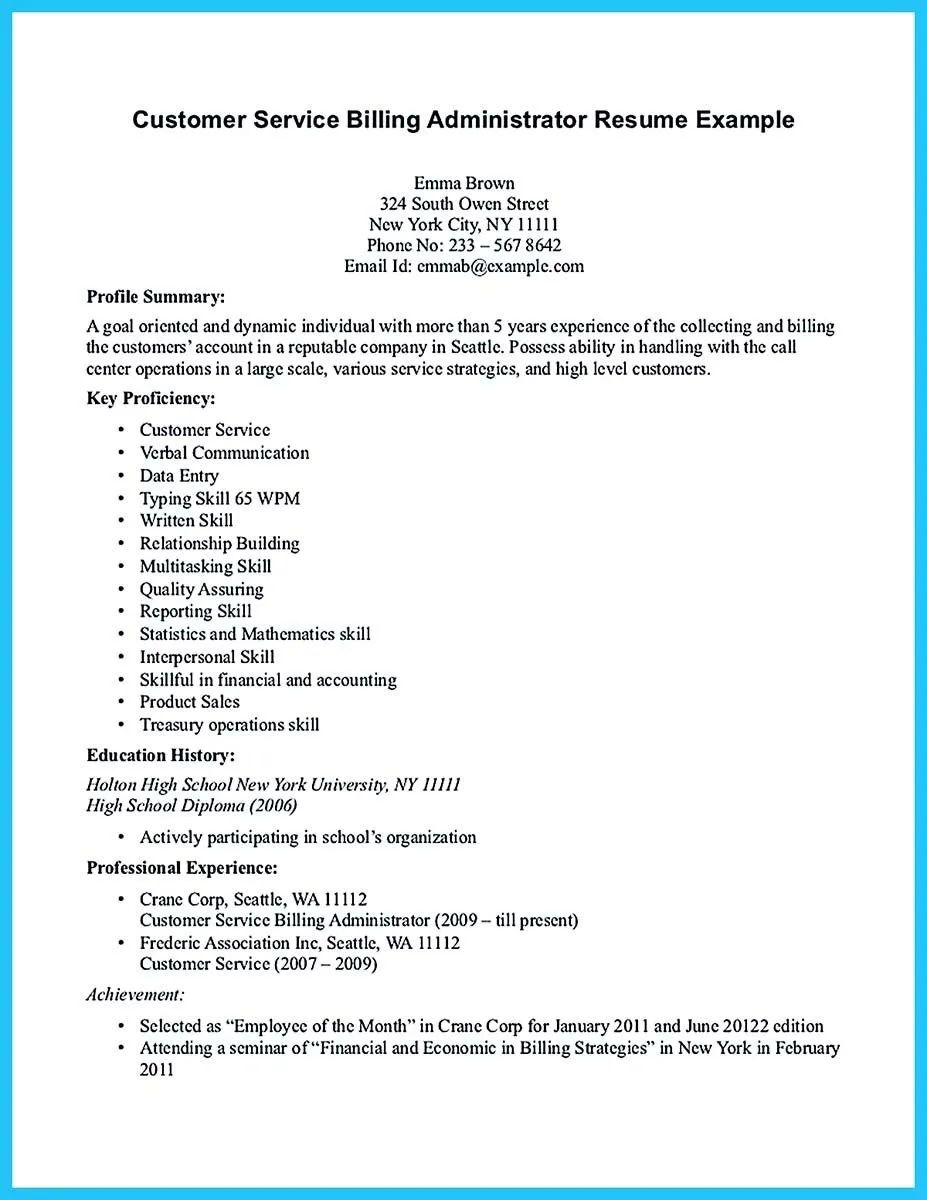
Understanding the Importance of a Transcriptionist Cover Letter
In the competitive world of transcription, a well-crafted cover letter is your initial handshake with potential employers. It’s the first impression you make, the opportunity to showcase not just your skills but also your personality and enthusiasm. A cover letter for a transcriptionist job is more than just a formality; it’s a crucial element that can significantly impact your chances of landing an interview. It complements your resume, providing context and depth that a list of qualifications alone cannot convey. A strong cover letter demonstrates your communication skills, attention to detail, and genuine interest in the role, setting you apart from other applicants. It is also the opportunity to highlight how your unique skills and experience align with the specific needs of the employer.
What is a Transcriptionist Cover Letter
A transcriptionist cover letter is a formal document that accompanies your resume when applying for a transcriptionist position. Its primary purpose is to introduce you to the hiring manager and provide a personalized overview of your qualifications, experience, and why you are a suitable candidate for the specific job. Unlike a resume, which provides a factual summary of your background, a cover letter allows you to elaborate on your skills, showcase your personality, and express your genuine interest in the position and the company. It should be tailored to each job application, highlighting the most relevant aspects of your experience and skills and addressing the specific requirements outlined in the job description.
Why Is a Cover Letter Important for Transcriptionists

A cover letter is incredibly important for transcriptionists because it serves as a narrative that brings your resume to life. While your resume lists your skills and experience, a cover letter allows you to explain how you’ve applied those skills in real-world situations, providing context and depth that a resume alone cannot offer. It demonstrates your communication skills, which are essential for a transcriptionist, and allows you to highlight your attention to detail by presenting a well-written, error-free document. Furthermore, it gives you the opportunity to showcase your personality and enthusiasm for the role, which can be a deciding factor in a hiring manager’s decision. Many employers use cover letters to assess a candidate’s writing ability, attention to detail, and communication skills, making a well-crafted cover letter an invaluable asset in your job search.
Key Components to Include in Your Cover Letter
A comprehensive cover letter should include several key components to make a strong impression. Begin with your contact information, followed by the date and the recipient’s information. The opening paragraph should capture the reader’s attention and state the position you’re applying for. The main body should highlight your relevant skills and experience, providing specific examples and quantifying your achievements whenever possible. Express your enthusiasm for the role and the company, and tailor your letter to the specific job requirements. Finally, end with a clear closing paragraph and a call to action, such as requesting an interview or expressing your availability. Each section plays a crucial role in demonstrating your suitability for the position and your genuine interest in the opportunity.
Your Contact Information
At the top of your cover letter, provide your full name, phone number, email address, and optionally, your LinkedIn profile URL. Ensure your contact information is accurate and professional. This information allows the hiring manager to easily reach you to schedule an interview or request further information. Always double-check your email address and phone number for any errors, as a single typo could prevent the employer from contacting you.
The Date and Recipient Information

Below your contact information, include the current date. Then, provide the recipient’s name (if known), their title, the company name, and the company’s address. Addressing the hiring manager by name shows that you have taken the time to research the company and the position, and it demonstrates your attention to detail. If you are unsure of the hiring manager’s name, use a general salutation like ‘Dear Hiring Manager’.
A Compelling Opening Paragraph
The opening paragraph is your first chance to grab the reader’s attention. Clearly state the position you are applying for and how you found the job posting. Briefly mention why you are interested in the role and what makes you a good fit. Consider mentioning a key skill or accomplishment that immediately highlights your value. Avoid generic openings; instead, personalize your introduction to make it more engaging. For example, you might mention a specific project or experience that aligns with the job requirements.
Highlighting Relevant Skills and Experience
The main body of your cover letter is where you showcase your skills and experience. Focus on the skills and experience that align with the job description. Use specific examples to illustrate your abilities, and quantify your achievements whenever possible. For instance, instead of saying ‘I have experience transcribing legal documents,’ say ‘I have transcribed over 100 legal documents with 99% accuracy.’ This provides concrete evidence of your capabilities and makes your claims more credible. Tailor each cover letter to the specific requirements of the job to demonstrate that you have carefully considered the role and are a good fit.
Detailing Your Transcription Skills

When detailing your transcription skills, be specific about the types of transcription you are proficient in. Mention whether you specialize in legal, medical, business, or general transcription. Highlight your accuracy rate, typing speed, and familiarity with transcription software and tools. Provide examples of your experience with different audio quality levels and accents. This information helps the employer assess your technical abilities and determine if your skills align with their specific needs. Showing that you possess a diverse skill set and can adapt to different transcription scenarios can make you a more attractive candidate.
Showcasing Experience with Different Audio Formats
Transcriptionists frequently work with a variety of audio formats, from low-quality recordings to professional-grade audio. It is beneficial to mention your experience with different file formats such as MP3, WAV, and others. If you have experience handling recordings with multiple speakers, background noise, or technical difficulties, be sure to include that information. This demonstrates your adaptability and ability to handle diverse challenges. Highlighting your ability to work with different audio formats showcases your versatility and makes you a more valuable candidate, especially if the job requires experience with various types of recordings.
Mentioning Your Technical Proficiency
Technical proficiency is a key asset for any transcriptionist. Mention your experience with transcription software, such as Express Scribe, oTranscribe, or others. Highlight your typing speed and accuracy. Include any knowledge of relevant software, such as word processing programs, audio editing tools, and cloud storage platforms. Demonstrate that you are comfortable with technology and can quickly adapt to new tools and processes. If you have experience with any specialized equipment, such as foot pedals or noise-canceling headphones, be sure to mention it. Proficiency in these areas can significantly streamline your workflow and improve your efficiency.
Demonstrating Your Attention to Detail

Attention to detail is paramount in transcription. In your cover letter, emphasize your commitment to accuracy and proofreading. Mention any quality control measures you take to ensure the final product is error-free. Provide examples of how you have identified and corrected errors in the past. You could also describe any certifications or training you have in this area. By demonstrating your meticulous approach, you can reassure the employer that you will deliver high-quality work. Showing that you value precision and accuracy is essential to show potential employers.
Quantifying Achievements and Experience
Whenever possible, quantify your achievements to make them more impactful. Instead of saying ‘I transcribed a lot of documents,’ state, ‘I transcribed over 200 hours of audio with 98% accuracy.’ Use numbers and specific data to demonstrate your accomplishments. This provides concrete evidence of your skills and abilities and gives the hiring manager a clearer picture of your capabilities. Quantifying your experience makes your cover letter more compelling and helps you stand out from other applicants. It is more persuasive and shows employers the value that you can provide.
Expressing Your Enthusiasm and Interest
Show your genuine interest in the position and the company. Explain why you are excited about the opportunity and what attracts you to the role. Tailor your enthusiasm to the specific job and the company’s mission or values. This can be as simple as mentioning a project you admire or highlighting a company’s innovative approach. Expressing your enthusiasm makes you more memorable and demonstrates that you are not just applying for a job but are truly interested in contributing to the company’s success. This level of interest often makes a strong impression on hiring managers and enhances your chances of an interview.
Tailoring Your Cover Letter to the Job

Customizing your cover letter for each job is crucial. Avoid using a generic template; instead, carefully read the job description and identify the key skills and qualifications the employer is seeking. Use keywords from the job description in your cover letter to demonstrate that you meet the requirements. Highlight the most relevant experiences and tailor your language to match the company’s tone and style. This shows that you have taken the time to understand the specific needs of the role and are a good fit for the company. This targeted approach will make your application more effective and increase your chances of securing an interview. Taking this step will show how the applicant takes initiative and will show their dedication to the role.
Researching the Company and Position
Before writing your cover letter, research the company and the specific role you are applying for. Visit the company’s website, read about its mission and values, and understand the company’s culture. Research the specific requirements of the position and the tasks you will be expected to perform. Knowing this information will enable you to tailor your cover letter effectively, demonstrate your interest in the company, and showcase how your skills and experience align with the role’s needs. This will also help you sound informed and show your commitment.
Addressing Specific Requirements
Carefully review the job description and address each of the required skills and qualifications in your cover letter. Use the same language and keywords used in the job description to ensure your application is aligned with the employer’s needs. Provide specific examples of how you have demonstrated those skills in the past. If the job posting requires proficiency in a particular transcription software or specialization, make sure to highlight your experience in these areas. This targeted approach demonstrates that you understand the specific requirements of the role and are a well-suited candidate.
Formatting and Proofreading Your Cover Letter

A well-formatted and error-free cover letter is essential for making a professional impression. Pay close attention to the formatting, using a clear, easy-to-read font, and ensuring proper spacing and alignment. Proofread your cover letter carefully for any grammatical errors, spelling mistakes, or typos. A polished cover letter demonstrates your attention to detail and professionalism, while errors can detract from your qualifications and reduce your chances of being considered for the job.
Formatting Tips for a Professional Look
Choose a standard, easy-to-read font such as Arial, Times New Roman, or Calibri, with a font size between 11 and 12 points. Use single spacing within paragraphs and double spacing between paragraphs. Align your text to the left, and avoid justified text. Use clear headings and subheadings to organize your content and make it easy to read. Use a professional-looking letterhead. Ensure consistent formatting throughout your cover letter, and avoid using excessive colors or graphics. Keep the layout clean and uncluttered, with adequate margins. By following these formatting tips, you can create a professional-looking cover letter that is easy for the reader to follow.
Proofreading Checklist for Error-Free Content
Proofreading is a crucial step in preparing your cover letter. Always proofread your letter multiple times. First, check for spelling and grammar errors using a spell checker and grammar checker. Then, read your cover letter aloud to catch any awkward phrasing or run-on sentences. Ensure that your punctuation is correct, including commas, periods, and semicolons. Verify that your contact information is accurate and up-to-date. Ask a friend or family member to review your cover letter for a fresh perspective. By following this checklist, you can minimize errors and create a polished, professional cover letter that showcases your attention to detail.
Examples of Effective Cover Letter Phrases

Using effective phrases in your cover letter can help you articulate your skills and experience more persuasively. Here are some examples:
- ‘I am writing to express my interest in the Transcriptionist position…’
- ‘With my [number] years of experience in transcription…’
- ‘I have a proven track record of accuracy and efficiency…’
- ‘I am proficient in [specific software] and have experience with…’
- ‘I am confident that my skills align perfectly with the requirements of this role…’
- ‘I am eager to contribute to the success of [Company Name]’
- ‘I am highly organized, detail-oriented, and dedicated to producing high-quality work.’
- ‘In my previous role, I consistently achieved a transcription accuracy rate of [percentage].’
- ‘I am proficient in transcribing a wide range of audio formats, including [list formats].’
Closing Paragraph and Call to Action
The closing paragraph is your final opportunity to leave a positive impression. Reiterate your interest in the position and thank the hiring manager for their time and consideration. Express your availability for an interview and provide your contact information once more. Include a clear call to action, such as ‘I look forward to the opportunity to discuss my qualifications further’ or ‘Thank you for your time, and I look forward to hearing from you soon.’ End the letter with a professional closing, such as ‘Sincerely’ or ‘Best regards,’ followed by your full name. This professional closing reinforces your enthusiasm and leaves a lasting positive impression.