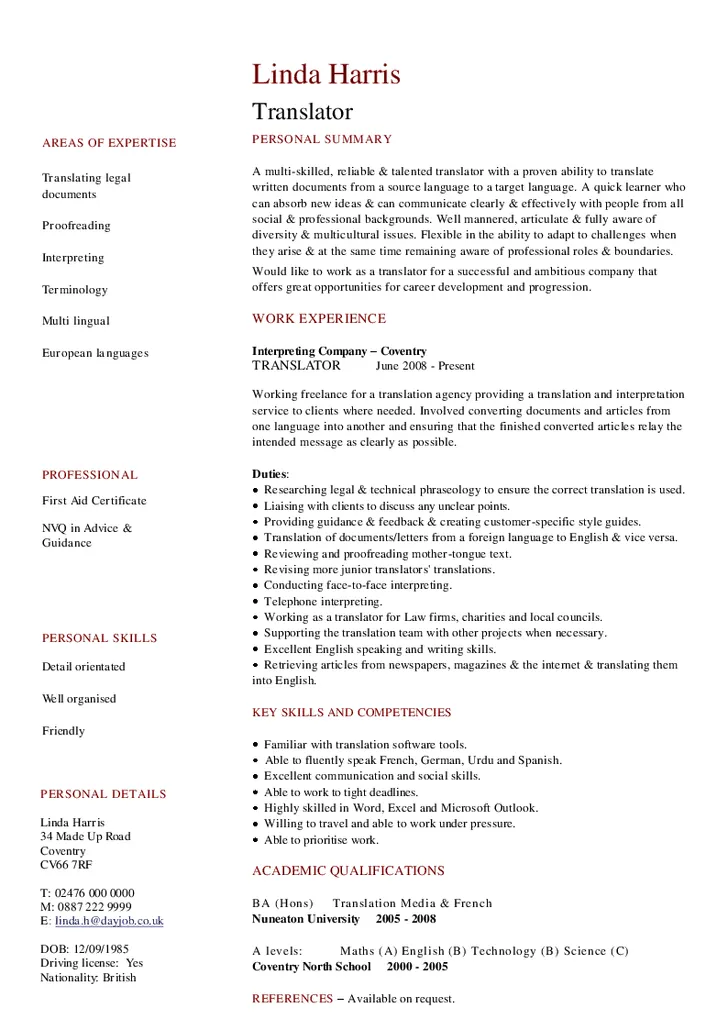
Why a Translator Job Cover Letter is Crucial
In the competitive world of translation, a well-crafted cover letter can be your most powerful tool. A translator job cover letter isn’t just a formality; it’s your first opportunity to make a lasting impression on potential employers. It’s your chance to go beyond the bullet points of your resume and demonstrate your personality, passion for language, and suitability for the specific role. A compelling cover letter sets the stage, highlighting your skills and experiences in a way that resonates with the hiring manager and encourages them to delve deeper into your qualifications. It can be the deciding factor, especially when several candidates possess similar qualifications, distinguishing you from the crowd and increasing your chances of getting hired.
Understanding the Purpose of a Cover Letter
The primary purpose of a translator job cover letter is to introduce yourself, showcase your skills, and express your interest in a particular position. It serves as a bridge between your resume and the employer’s needs, demonstrating how your qualifications align with the job requirements. Unlike a resume, which provides a factual overview of your experience, a cover letter allows you to tell a story. It gives you the space to elaborate on your accomplishments, explain how your skills translate into value for the company, and demonstrate your understanding of their needs. The cover letter also allows you to show your enthusiasm for the role, making you appear more human and engaged. Properly understood, the translator job cover letter is not simply a formality, but rather an active tool of persuasion.
Highlighting Your Translation Skills

Your translation skills are the heart of your cover letter. The hiring manager needs to immediately see your ability to do the job. Begin by emphasizing your language proficiency, including both your source and target languages. Then, detail any specializations such as legal, medical, technical, or literary translation, which can be a significant asset depending on the job requirements. Do not forget to mention the software and tools you are familiar with, such as CAT tools, which streamline the translation process. Always remember that the best approach is to provide concrete examples of your work, demonstrating your ability to produce high-quality translations. This not only shows your capabilities, but also makes your application more attractive to the potential employer, making it more likely that you get hired.
Language Proficiency
Clearly state your fluency level in both your source and target languages. This includes not just reading and writing abilities, but also listening and speaking comprehension, especially if the role requires interpreting. You can use common proficiency scales, such as the Common European Framework of Reference for Languages (CEFR), to provide a standardized measure of your language abilities. For instance, you might state, ‘Fluent in English (C2 proficiency) and proficient in Spanish (C1 proficiency)’. Don’t merely list languages; indicate the depth of your understanding. Consider including any certifications or qualifications, like a degree in translation or interpreting, as further proof of your language expertise. Your language skills are the cornerstone of your translator job application, so present them clearly and convincingly.
Translation Specialization
Highlight any specialized areas in which you excel. Specify your experience, whether it is legal, technical, medical, or literary translation. Each specialization demands a unique skillset and understanding of industry-specific terminology and best practices. For example, if you specialize in legal translation, highlight your experience with legal documents, such as contracts and court filings. Also, explain how you stay current with specialized fields, through continuous learning, professional development, and industry publications. A specialization immediately sets you apart from other applicants. Your specialization needs to match the job description, so tailor your cover letter to the specific translation area that the potential employer needs.
Software and Tools Expertise
Demonstrate your proficiency with Computer-Assisted Translation (CAT) tools. Mention any specific CAT software you are proficient in, such as Trados Studio, memoQ, or Wordfast. It is increasingly crucial that translators are adept at using CAT tools. These tools boost efficiency, ensure consistency, and enhance quality. Describe your knowledge of terminology management tools and explain how you use them to maintain accuracy. You may wish to include other software such as word processing, presentation, and project management tools. Be specific. Mention the versions of each tool you use. Showing a firm grasp of industry-standard software and tools, and listing the tools you know, demonstrates that you are prepared to handle translation projects efficiently and effectively. See image ’translation-software’ for reference.
Showcasing Your Experience
Beyond skills, your professional experience is key. Detail previous translation projects you have completed, highlighting the types of documents translated, the languages involved, and the industries served. If possible, provide context for the projects and mention the clients or organizations you have worked with. For freelance translators, this means highlighting a diverse range of clients. For in-house translators, it means detailing the type of projects handled. Demonstrate that you understand the translation process. Show how you follow project guidelines and meet deadlines, and provide some information on any challenges you overcame during those projects. It’s about proving you can translate successfully, and that you’re aware of the challenges involved.
Quantifying Your Achievements
Whenever possible, quantify your achievements. Use numbers and data to show the impact of your work. Instead of stating, ‘Improved translation quality,’ say, ‘Reduced translation errors by 15%’. If you’ve contributed to faster project turnaround times, provide specifics. Also, mention the number of words you typically translate per day or week, or the volume of projects you have completed. Always use quantifiable results, as they are more compelling than vague statements. These quantifiable results enhance credibility and demonstrate the value that you bring to the role. Be accurate and honest with your numbers. The more quantifiable you are, the more you show how valuable you are, especially for a potential employer. See image ‘quantifiable-achievements’ for reference.
Tailoring Your Cover Letter

Customize each cover letter to match the specific job description and the company. Standard, generic cover letters are easily recognizable and rarely make a strong impression. Study the job description carefully and identify the key requirements and preferred qualifications. Then, tailor your cover letter to reflect how your skills and experience align with those needs. Use the language from the job description, and incorporate relevant keywords throughout your letter. Customization shows that you’ve taken the time to understand the role and the company’s needs. Tailoring demonstrates that you’re genuinely interested in the position and that you’re not just sending out a generic application. Customization is crucial for standing out from other applicants.
Researching the Company
Before you start writing, research the company. Understand their mission, values, and the type of translation work they do. Visit their website, read their ‘About Us’ section, and explore their social media presence. Showing that you understand the company’s business, its clients, and its goals demonstrates your interest in the company. This research provides insights that help you customize your cover letter and demonstrate how your skills and experience fit the company’s specific requirements. By researching the company, you can tailor your cover letter to match their needs. Make references to recent projects or initiatives, especially those related to translation, to show a deeper understanding of their work. This information is invaluable as you personalize your application and demonstrate to the company why you’re the right candidate for the role.
Matching Skills to Job Requirements
Carefully compare your skills and experience to the job description. Highlight the skills and qualifications most relevant to the position. Use the job description as a guide to identify the keywords and phrases that the hiring manager is looking for. Incorporate these keywords naturally within your cover letter. Clearly state how your skills and experience match the specific requirements outlined in the job posting. Provide specific examples of how you have demonstrated these skills in previous projects. Ensure that your cover letter directly addresses the key needs. Focus on the aspects of your work that best align with the role. Tailoring your letter shows that you’ve understood the job’s requirements and are able to meet them.
Structuring Your Cover Letter

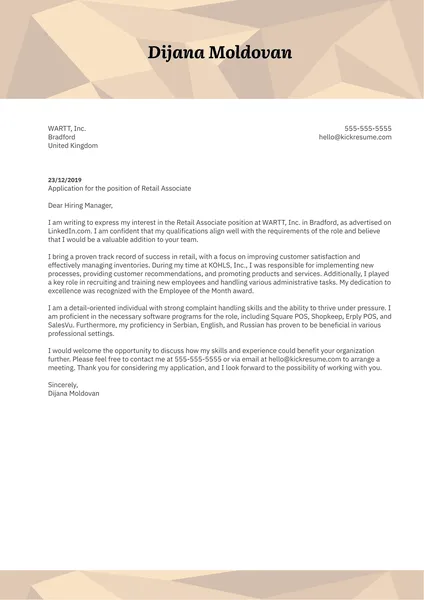
A well-structured cover letter ensures that your message is clear, concise, and easy to read. It helps you present your qualifications in a logical and persuasive manner. A standard cover letter structure includes a header with your contact information, a greeting, an introductory paragraph, body paragraphs, a closing paragraph, and a call to action. The layout should be professional and clean. Use clear formatting and spacing to make it easy for the reader to scan. Make sure the structure of your cover letter clearly conveys your skills, experience, and passion for translation. A well-structured cover letter is crucial to making a strong first impression on the potential employer.
Header and Contact Information
The header should include your full name, address, phone number, and email address. Make sure the information is accurate and up-to-date. If you have a professional online presence, like a LinkedIn profile, you can include a link to it. The header helps the hiring manager quickly identify you and easily contact you. The format should be consistent with your resume. Place the header at the top of the page, left-aligned. Make sure your email address is professional; avoid using informal or outdated addresses. Also, check that your phone number is correct and has a voicemail set up. See image ’translator-cover-letter-header’ for reference.
Greeting and Introduction
Start your cover letter with a professional greeting. If possible, address the hiring manager by name. If you do not know their name, use a general greeting like ‘Dear Hiring Manager’. The introduction should be concise and engaging. State the position you are applying for and briefly mention how you learned about the opportunity. Then, provide a short statement that grabs the reader’s attention and highlights your most relevant qualifications. It is your first opportunity to create a strong impression. It can show your enthusiasm, express your value as a translator, and encourage the hiring manager to keep reading. The introductory paragraph sets the tone for the rest of your cover letter, so make sure you make the most of it.
Body Paragraphs Skills and Experience

Use the body paragraphs to elaborate on your skills, experience, and accomplishments. Focus on the key qualifications and experience that align with the job description. Provide specific examples to demonstrate your capabilities. This is where you dive deeper into your abilities as a translator. Each paragraph should focus on a specific skill or achievement. To keep the reader engaged, structure the body paragraphs clearly and logically. Start with a topic sentence, provide supporting details, and end with a concise summary. Make sure your paragraphs connect. Do not simply repeat information from your resume. Expand upon the accomplishments, provide specific details, and demonstrate the value you bring to the role. It shows how your skills will benefit the company.
Closing Paragraph and Call to Action
The closing paragraph summarizes your interest and expresses your enthusiasm for the position. Reiterate your key qualifications and restate your interest in the role. This is an opportunity to reinforce your main points and leave a lasting impression. Include a call to action. This encourages the hiring manager to take the next step. State that you look forward to hearing from them soon and are available for an interview. Use a professional closing, such as ‘Sincerely’ or ‘Best regards’. This shows confidence and a proactive attitude, leaving the hiring manager with a positive impression. By taking the time to write a strong closing paragraph, you increase your chances of getting the job.
Formatting and Proofreading
A well-formatted and error-free cover letter is critical for creating a positive impression. The format you choose has a great influence on readability, and proofreading ensures that you avoid any mistakes. Pay attention to every detail. Properly formatting and proofreading your cover letter is essential for showcasing your professionalism and attention to detail, both of which are highly valued qualities in a translator. An error-free document also shows respect for the hiring manager’s time. Your goal is to impress the reader from the first to the last sentence.
Formatting for Readability

Use clear, professional formatting to make your cover letter easy to read. Choose a simple, professional font like Times New Roman, Arial, or Calibri, and keep the font size between 11 and 12 points. Use a standard, easy-to-read font. Proper spacing is important. Use single spacing within paragraphs and double spacing between paragraphs. Be sure to left-align the text. Be consistent in your formatting throughout the document. Use bolding and italics sparingly, and only to emphasize key points. Your aim is to make it easy for the hiring manager to read your letter. This approach shows respect for the reader’s time, and it helps to enhance the readability of your work.
Proofreading for Errors
Carefully proofread your cover letter to ensure that it is free of errors. Typos, grammatical errors, and spelling mistakes can undermine your credibility and professionalism. Read your cover letter multiple times, looking for any mistakes. Use a spell checker and a grammar checker, but do not rely on them entirely. Have someone else proofread your cover letter, as a fresh pair of eyes can often catch errors that you might miss. Also, make sure that you have used proper formatting and that the spacing is correct. Proofreading is crucial for ensuring that your cover letter is as polished and professional as possible. See image ‘proofreading-cover-letter’ for reference.
Cover Letter Examples and Templates
Use cover letter examples and templates as guides. They can help you structure your letter, and they can provide a starting point for your own. Be sure to adapt any template to your specific situation. Do not use a template without modifying it. Customize the template to suit the job you are applying for, tailoring it to highlight your specific skills and experience. Modify the template to reflect your unique experiences and qualifications. A template provides a general structure, but your cover letter should be a unique reflection of your skills and qualifications. If you have used a template, make sure that you review and adapt it for your specific situation. You want to ensure that it showcases your personality and qualifications.
Adaptable Template Options
There are many cover letter templates available online. Look for adaptable templates that you can easily customize to your needs. The key is to find a template that fits your style. Choose a template that matches the industry and the job you are applying for. Look for templates that are clear and professional. Consider templates designed for specific job roles or industries. When using a template, customize it to reflect your personal brand and highlight the skills. Choose templates that have a layout that is easy to modify. Adapt the template to highlight the skills and experiences that match the job description.
Common Mistakes to Avoid
Be aware of common mistakes to avoid when writing a translator job cover letter. These errors can quickly lead to rejection, so avoid making them. By avoiding these mistakes, you increase the likelihood of creating a strong and persuasive cover letter that helps you to stand out from the competition. Always be careful and meticulous. The following mistakes can significantly decrease your chances of getting hired.
Generic Cover Letters
Do not use a generic cover letter. It indicates a lack of interest in the specific job and company. You must customize your cover letter to each job. The cover letter should address the specific requirements and show your familiarity with the company. Generic cover letters are easily recognizable, and they make you look indifferent. Tailor your cover letter to each job. Research the company and the role, and then use your cover letter to connect your skills and experiences to their needs. The goal is to show that you understand the job, and that you are the best person for the job. The letter must show the value you will bring to the company. A customized cover letter is essential to make a great impression.
Typos and Grammatical Errors
Proofread your cover letter to avoid any errors. Ensure that your cover letter is free of typos and grammatical errors. Errors can undermine your credibility and make you look unprofessional. Proofread the letter multiple times. Have a friend or colleague read it to check for errors. Do not rely solely on spell-check. Use a grammar checker to identify and correct any errors. Ensure that your cover letter is error-free to show your attention to detail. The potential employer is likely to dismiss your application if they see mistakes. A well-written and error-free cover letter is an investment in your job application. A polished cover letter will demonstrate your professionalism and increase your chances of getting hired.
Ignoring the Job Description
Always tailor your cover letter to the job description. Make sure that you address the specific requirements outlined in the job posting. Highlight the skills and experiences that align with what the employer is seeking. Use keywords and phrases from the job description, naturally integrating them into your letter. Always show how you meet the requirements. When you ignore the job description, you may miss critical opportunities. By matching your skills and experience with the requirements, you increase your chances of getting hired. Failure to tailor your cover letter to the job description is a sign of inattention, and that’s something a translator cannot afford.
Finalizing and Submitting Your Cover Letter
Before submitting your cover letter, make sure that it is fully ready. Finalize your cover letter and follow the application instructions. Submitting a well-prepared and professional cover letter will enhance your chances of being considered for the role. Once you’ve completed the cover letter, you should be ready to submit your application.
File Format and Submission Guidelines
Save your cover letter in a professional file format, such as PDF or DOCX. PDF is often preferred, as it preserves the formatting. Read the application instructions carefully. Follow any specific guidelines provided by the employer. Ensure that your cover letter is properly formatted and easy to read. Name your file clearly, using your name and the job title. Submit your cover letter and resume in the format requested by the potential employer. Failing to follow instructions is a common mistake, so be certain to follow them. See image ‘submitting-cover-letter’ for reference.