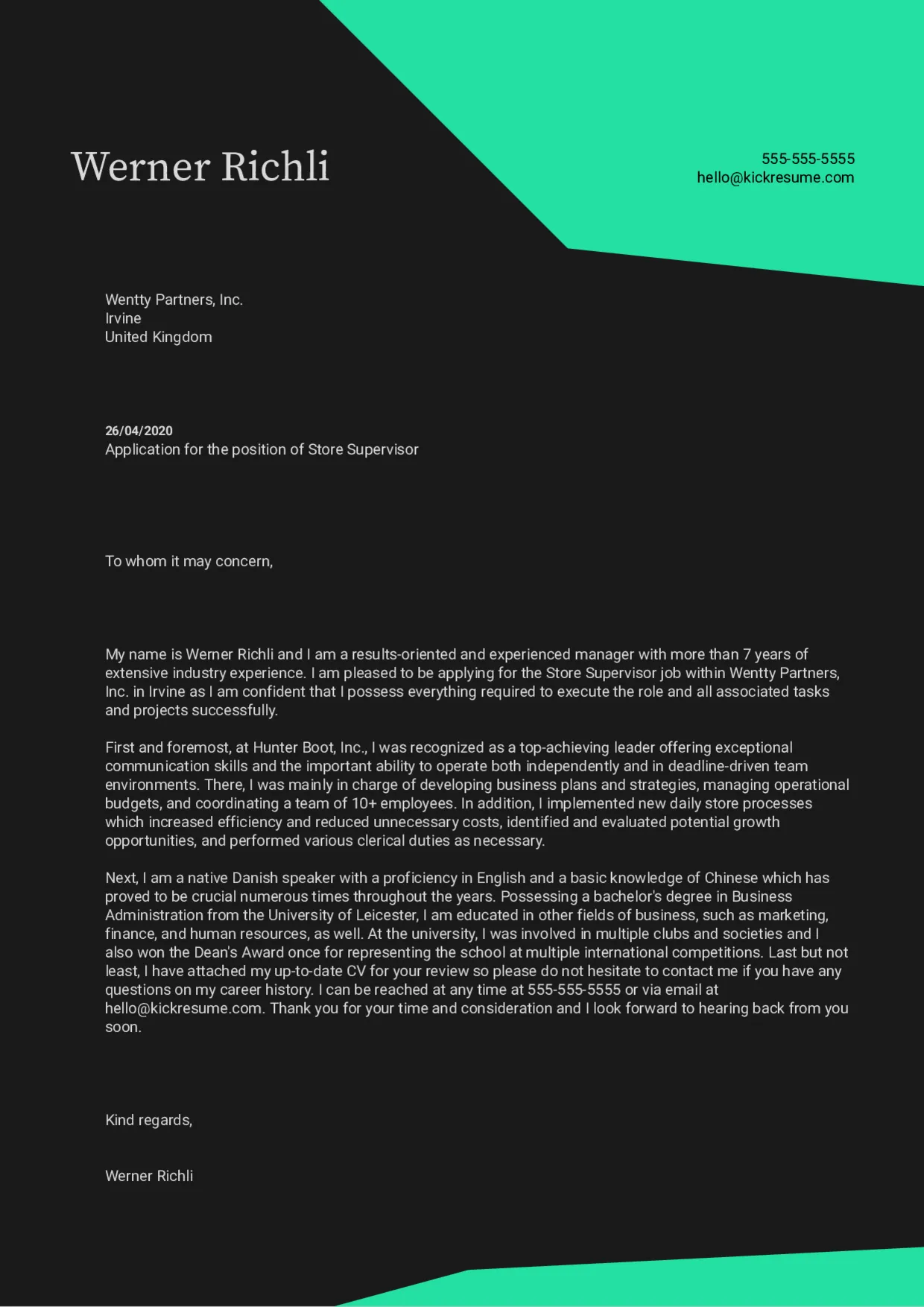
Crafting a Winning Warehouse Manager Cover Letter
Landing a Warehouse Manager position requires more than just a stellar resume; a compelling cover letter is your secret weapon. This document is your opportunity to showcase your personality, enthusiasm, and the specific skills that make you the ideal candidate. A well-crafted cover letter is not just a formality; it’s a strategic tool that can significantly increase your chances of getting an interview. It’s the first impression that can make or break your application, giving you the edge over other applicants. This guide will walk you through creating a cover letter that captures attention and secures your place in the running for the job, setting you apart from the competition and making you a memorable applicant in the eyes of the hiring manager.
Understanding the Warehouse Manager Role
Key Responsibilities of a Warehouse Manager

Before diving into writing your cover letter, it’s crucial to understand the scope of a Warehouse Manager’s responsibilities. This understanding allows you to tailor your letter and highlight the skills and experiences most relevant to the role. Warehouse Managers oversee the efficient operation of a warehouse, which includes supervising staff, managing inventory, coordinating logistics, and ensuring workplace safety. Your cover letter needs to reflect this understanding and showcase how you can effectively manage these multifaceted duties. A strong cover letter will demonstrate your ability to excel in these responsibilities, ultimately positioning you as a capable and suitable candidate for the position.
- Supervising and training warehouse staff
- Managing inventory and stock control
- Coordinating the receipt, storage, and dispatch of goods
- Ensuring workplace safety and compliance
- Implementing and optimizing warehouse processes
Essential Skills for Warehouse Managers
Warehouse management demands a specific skill set. Your cover letter should explicitly highlight these skills to demonstrate your suitability for the role. These include strong organizational abilities, proficiency in inventory management systems, leadership qualities, and a solid understanding of safety regulations. Highlighting these skills in your cover letter proves to the hiring manager that you possess the necessary traits to perform the job efficiently. Your cover letter should go beyond just listing these skills; it should provide examples of how you’ve applied them in previous roles and the positive outcomes you achieved. This approach transforms your cover letter from a simple statement of qualifications to a powerful testament to your capabilities as a warehouse manager.
- Organizational skills and attention to detail
- Inventory management and stock control expertise
- Leadership and team management abilities
- Knowledge of warehouse safety regulations
- Proficiency in warehouse management software
Highlighting Your Qualifications
Your cover letter is the perfect space to present your qualifications strategically. This section should focus on showcasing your experience and expertise relevant to the Warehouse Manager role. Begin by identifying the key requirements listed in the job description and then demonstrate how your skills and experiences align with those needs. Use concrete examples from your past roles to support your claims and illustrate your ability to excel. By emphasizing the skills and experiences most valued by the employer, you significantly increase your chances of capturing their attention and securing an interview. Make sure your qualifications directly address the specific needs and expectations of the prospective employer.
Showcasing Relevant Experience

Provide specific examples of your past experiences to demonstrate your capability to manage warehouse operations effectively. This may include overseeing inventory, managing teams, implementing new systems, or improving warehouse efficiency. The goal is to show the hiring manager how your past performance aligns with the responsibilities of the position. Describing your roles and responsibilities is essential, but backing those descriptions with quantifiable results is more persuasive. For example, instead of just saying you ‘managed inventory’, you could say you ‘reduced inventory discrepancies by 15%’. Such specifics make your application stand out, showing that you have a track record of success.
Quantifying Achievements and Results
Quantify your accomplishments to make your cover letter more impactful. Instead of just stating your responsibilities, provide measurable results. For example, if you improved warehouse efficiency, state the percentage increase in order fulfillment or the reduction in operational costs. If you managed a team, mention the team’s success rate or any awards it received. The numbers speak volumes and showcase your ability to deliver tangible results. Use data to demonstrate the value you bring to the table, making your qualifications more credible and your application more attractive. Use metrics to highlight how your actions have made a positive impact in previous roles.
Tailoring Your Cover Letter to the Job
Customize your cover letter for each application. Generic cover letters are easily spotted and often discarded. Tailoring your cover letter for each job demonstrates your genuine interest in the position and the company. Research the company, understand its values, and demonstrate how your skills align with its specific needs and objectives. By showing that you’ve taken the time to understand the company and the role, you demonstrate your commitment to being an active and valuable member of the team. Address the specific requirements of each job description in your cover letter, ensuring that your qualifications are directly relevant to the employer’s needs.
Researching the Company and Its Needs

Before writing your cover letter, conduct thorough research on the company. Understand its mission, values, and the specific challenges it faces in warehouse management. This research enables you to tailor your cover letter, showing how your skills and experience can meet these challenges. Use the company’s website, social media profiles, and industry publications to gather information. Tailoring your cover letter shows that you have carefully considered how your skills match the needs of the specific company, which will make you stand out. Demonstrate your understanding of the company’s goals and highlight how you can contribute to their success.
Matching Skills to Job Requirements
Carefully review the job description and match your skills to the listed requirements. Identify the key skills, experiences, and qualifications the employer seeks and address them directly in your cover letter. Use keywords from the job description to showcase your relevance to the role. This not only shows you have the required skills, but it also helps your application pass through Applicant Tracking Systems (ATS), which scan for these keywords. This process ensures that your cover letter clearly communicates your ability to perform the duties outlined in the job description. Show the hiring manager that you are a perfect fit by speaking their language and addressing their specific requirements.
Structuring Your Cover Letter Effectively
A well-structured cover letter is easy to read and keeps the hiring manager engaged. Use a professional format, with a clear introduction, body, and conclusion. Each section should serve a specific purpose and contribute to the overall narrative of your qualifications and interest in the role. This organized structure helps you present your information clearly and allows the reader to quickly grasp your strengths and suitability for the position. By providing a clear and professional structure, you significantly increase your application’s effectiveness, making it easier for the hiring manager to understand your qualifications and appreciate your suitability.
The Introduction – Making a Strong First Impression

Your introduction is the first thing the hiring manager will read, so make it count. Start with a strong opening that grabs their attention and clearly states the position you are applying for and where you saw the job posting. Express your enthusiasm for the role and the company. Briefly highlight your key qualifications and explain why you are a good fit. You want to immediately establish your interest and demonstrate that you have the skills to succeed in the position. A compelling introduction will capture the reader’s attention and prompt them to read the rest of your letter. It should set the tone for the rest of your application and make the reader want to learn more about you.
The Body – Highlighting Achievements and Skills
The body of your cover letter is where you expand on your qualifications and experiences. Use this section to showcase your skills and achievements, providing detailed examples of your past successes. Focus on quantifiable results and use keywords from the job description to demonstrate your relevance. Each paragraph should focus on a specific skill or experience and provide a compelling reason for the hiring manager to consider you a suitable candidate. Use clear and concise language and maintain a professional tone. This is your opportunity to highlight your best qualities and convince the hiring manager that you are the perfect candidate for the Warehouse Manager role.
The Conclusion – Expressing Interest and Next Steps
Conclude your cover letter by reiterating your interest in the position and expressing your enthusiasm for the opportunity. Summarize your key qualifications and reiterate why you are the ideal candidate. Thank the hiring manager for their time and consideration. Provide your contact information and include a call to action, such as suggesting a follow-up. Proofread your cover letter before submitting your application. This ensures that you leave a positive and professional final impression, increasing the likelihood of receiving an interview and moving forward in the hiring process. A strong conclusion ensures you end on a positive note.