Understanding Cover Letters The Basics
A cover letter is a crucial document in the job application process, serving as your introduction to a potential employer. It provides an opportunity to showcase your personality, elaborate on your qualifications, and express your interest in the specific role. Unlike a resume, which is a concise summary of your skills and experience, a cover letter allows you to tell your story and explain why you are the perfect fit for the job. A well-crafted cover letter can significantly increase your chances of landing an interview, as it demonstrates your communication skills and your genuine interest in the company and the position. Understanding when to include a cover letter is a key aspect of a successful job search. Ignoring this important document can make you look unprofessional, but including it in every application isn’t always the best idea either. Knowing the specific situations that call for a cover letter ensures that your application stands out in the best possible light.
When a Cover Letter is Absolutely Essential
There are several situations where including a cover letter is not just recommended but virtually mandatory. These are opportunities where the cover letter provides essential context and allows you to present yourself more effectively to the hiring manager. Omitting a cover letter in these scenarios might signal a lack of attention to detail or a lack of genuine interest in the position. Therefore, it’s important to recognize these instances and leverage the cover letter to make a strong first impression.
Targeted Job Applications

When applying for a specific job, always include a cover letter. This is your chance to demonstrate that you understand the job requirements and that your skills and experience align with them. Customize your cover letter to match the job description, highlighting the relevant skills and experiences that the employer is looking for. Mention the specific role by name, and use keywords from the job posting to showcase your understanding of the position. This targeted approach helps you stand out from other applicants.
Networking and Informational Interviews
If you’re reaching out to someone in a company for networking purposes or requesting an informational interview, a cover letter is crucial. This is your chance to introduce yourself, explain why you’re reaching out, and express your interest in the company or industry. Keep it concise, but show that you’ve done your research and have specific questions or interests. This shows initiative and a genuine desire to learn more about the company and the role you are interested in.
Addressing Specific Concerns or Gaps
If there are any gaps in your employment history, career changes, or other issues that might raise questions, a cover letter provides a perfect opportunity to address them proactively. Explain the situation briefly and positively, focusing on what you learned or how you developed transferable skills. This can help alleviate any concerns the employer might have and demonstrate your ability to handle challenges. Provide a clear and honest explanation without going into excessive detail. It’s important to frame these situations in a way that highlights your resilience and adaptability. This is where a cover letter is vital.
Highlighting Your Enthusiasm

In situations where you are particularly excited about a role or company, a cover letter allows you to express your enthusiasm more effectively than a resume alone. Use this opportunity to articulate why the job and the company resonate with you, and how your values align with their mission. This can make a memorable impression, especially if you have specific reasons for your interest, like a project you admire or a company initiative you support. Your passion can make you stand out from a sea of generic applications.
The Situations Where a Cover Letter is Optional
While cover letters are often crucial, there are times when they might be optional. It’s important to know when a cover letter is not necessarily required, so you can make an informed decision about whether to include one. In these scenarios, a well-crafted resume might be sufficient, and a cover letter could be redundant or even detract from your application.
When the Job Posting Doesn’t Require One
Some job postings explicitly state that a cover letter is not required. In these cases, it is usually safe to assume that submitting a cover letter is optional. However, it can be a good idea to include one if you have relevant information or a compelling story to share. If the job posting does not mention a cover letter, assess whether the position is highly competitive or if you want to showcase a unique aspect of your experience. If you decide to skip it, make sure your resume is exceptionally well-crafted.
Online Application Systems

Many online application systems allow you to upload your resume and other documents without a specific field for a cover letter. If the system doesn’t provide an obvious place for a cover letter, you might skip it. Make sure your resume is formatted well and highlights the most relevant information. Consider integrating key information from a cover letter into your resume summary or objective, or use the “additional information” section, if available. However, if the system provides the option, it is always a good idea to include one, even if it’s a brief, well-crafted introduction.
When a Resume Speaks for Itself
If you have extensive experience that aligns perfectly with the job requirements, and your resume clearly demonstrates this, a cover letter might be less critical. In some cases, a well-structured resume that highlights your accomplishments and skills might be enough to make a strong impression. In these instances, a cover letter is not strictly needed. However, always consider whether you have something unique to add, such as details about your passion for the company or the role, as this can set you apart.
The Importance of Tailoring Your Cover Letter
Tailoring your cover letter to each job application is crucial for showing your genuine interest and suitability for the role. A generic cover letter, that is not customized for the specific job and company, can be easily identified by hiring managers. Tailoring your letter shows you understand the company’s needs and have taken the time to connect your skills and experience to the job description. Personalization is essential for making a good impression and standing out from the crowd. It’s important to be strategic and intentional in how you present yourself. This takes more effort, but the results are well worth it.
Researching the Company and Role

Before writing your cover letter, thoroughly research the company and the specific role. Understand the company’s mission, values, and recent news. Study the job description carefully, noting the key responsibilities, skills, and qualifications that the employer is looking for. This information will help you tailor your letter to address their specific needs and show that you’ve taken the initiative to learn about the company. Use the company’s website, social media, and industry publications to gather relevant information. The more you know, the more effectively you can tailor your cover letter.
Customizing for Each Application
Once you understand the company and the role, customize your cover letter to highlight the most relevant experiences and skills. Focus on how your qualifications align with the job description’s requirements. Use keywords from the job posting throughout your cover letter. Provide specific examples of your accomplishments that demonstrate your ability to succeed in the role. Tailor the tone and style of your letter to match the company’s culture. Tailoring your cover letter ensures that the employer sees that you understand their needs and that you are genuinely interested in the opportunity. This level of personalization greatly increases your chances of receiving an interview.
Key Components of a Strong Cover Letter
A well-structured cover letter has several key components that work together to make a strong impression. Each section plays a vital role in communicating your value and your interest in the role. Pay close attention to these elements to create a compelling and effective cover letter. A great cover letter is much more than a formality; it’s a powerful tool for presenting your qualifications in the best possible light. Knowing what these components are, and including them in your cover letter can lead to success.
Opening Paragraph That Grabs Attention

Start with a captivating opening paragraph that immediately grabs the reader’s attention. Avoid generic greetings such as “To Whom It May Concern.” Instead, address the hiring manager by name, if possible, and state the specific position you’re applying for. Briefly mention why you’re excited about the role and company. A strong opening paragraph sets the tone for the rest of your letter and makes the reader want to learn more about you. Consider opening with a compelling statement, a brief anecdote that relates to the role, or a clear expression of your interest. This ensures the reader immediately understands why you’re writing.
Highlighting Relevant Skills and Experiences
In the body of your cover letter, highlight your most relevant skills and experiences. Provide specific examples of your accomplishments that demonstrate your ability to excel in the role. Quantify your achievements whenever possible by using numbers, data, and metrics to show the impact of your work. Tailor the information to align with the job description, ensuring that you address the key requirements and qualifications. Clearly explain how your skills and experience align with the needs of the employer. Use strong action verbs and clear, concise language to convey your value.
Expressing Your Interest and Enthusiasm
Express your genuine interest and enthusiasm for the role and the company. Explain what attracts you to the position, and why you are the right fit for the company. Share any relevant research or experiences that show you have a passion for the industry or company. Show that you’ve researched the company and share specific reasons why you are excited about the opportunity. This is your chance to connect with the hiring manager on a personal level, which can set you apart from other candidates. Be sincere and enthusiastic; it is essential to make a lasting impression.
Call to Action and Contact Information

Conclude your cover letter with a clear call to action. Thank the hiring manager for their time and consideration, and express your eagerness to discuss your qualifications further in an interview. Provide your contact information, including your phone number and email address, to make it easy for the employer to reach you. Make sure your contact details are accurate and up to date. Expressing your interest in an interview shows initiative and helps move the application process forward. Ensure the call to action aligns with the company’s application process.
Best Practices for Cover Letter Writing
Writing a cover letter that effectively presents you requires attention to several best practices. These techniques are crucial to ensuring that your cover letter is polished, professional, and impactful. Avoiding common mistakes, and incorporating these best practices will greatly increase your chances of success. Following these best practices will ensure your cover letter is well-received and helps you make a strong impression on potential employers.
Proofreading and Editing
Proofreading and editing your cover letter is an essential step in the writing process. Carefully review your letter for any grammatical errors, typos, and inconsistencies. Errors can create a negative impression, suggesting that you lack attention to detail. Proofread several times and consider asking a friend or family member to review your cover letter. Check for proper formatting and ensure the language is clear, concise, and professional. A well-proofread letter demonstrates your professionalism and attention to detail.
Formatting and Presentation

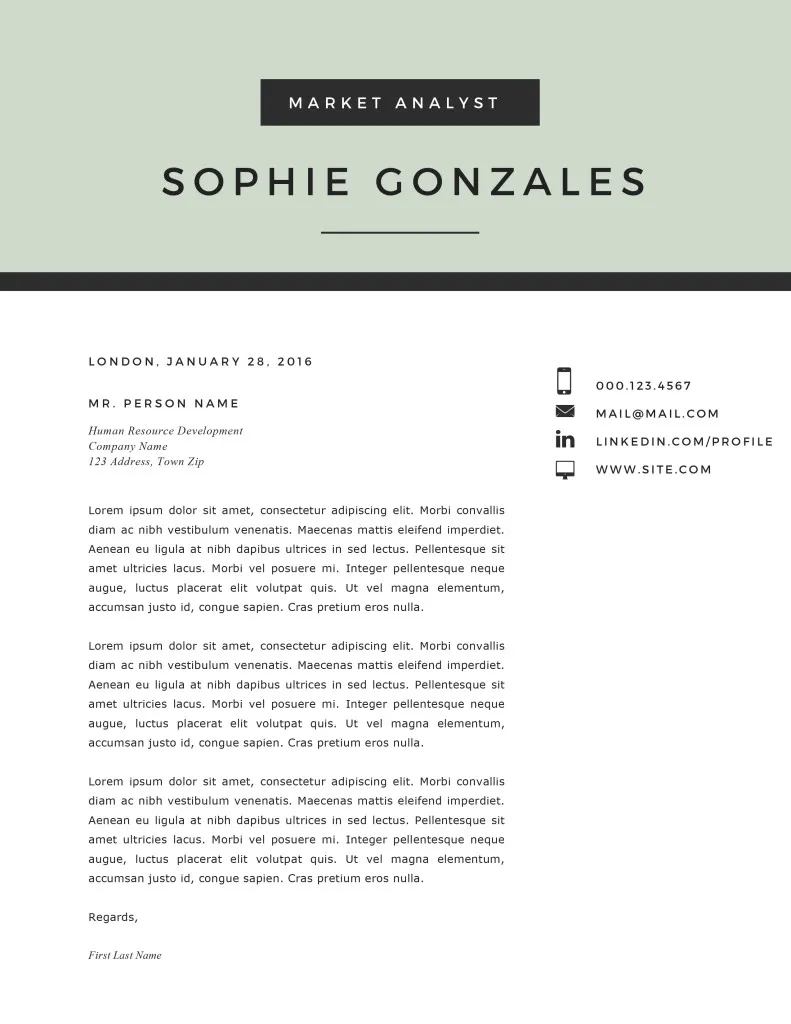
The format and presentation of your cover letter can significantly impact how it is received. Choose a clean, professional font and use a standard font size, such as Arial or Times New Roman, with size 11 or 12. Use clear headings and paragraph breaks to make the letter easy to read. Ensure consistent formatting throughout the document. Keep the letter to one page, as hiring managers often have limited time to review applications. A well-formatted cover letter makes your application visually appealing and easier for the hiring manager to understand.
Maintaining a Professional Tone
Maintain a professional and respectful tone throughout your cover letter. Use formal language and avoid slang, jargon, or overly casual expressions. Be enthusiastic without being overly familiar or informal. Show respect for the company and the hiring manager. Demonstrate professionalism by keeping the tone positive and focusing on your skills and experience. Your cover letter is a reflection of your communication skills and professionalism.
Conclusion
Knowing when to include a cover letter is essential for making a strong impression on potential employers. Use a cover letter when applying for a specific job, when networking, or to address gaps or concerns in your application. Tailor your cover letter for each job and customize it by highlighting relevant skills and experiences. Include essential components such as an attention-grabbing opening, relevant experiences, and a call to action. Remember to follow best practices, and make sure your cover letter is well-written and demonstrates your value. By understanding and applying these guidelines, you can significantly improve your chances of securing an interview and landing your dream job. Good luck.